






A full polishing range.
From cutting and one-step correction to final finishing.
Specialist chemistry. Expert application.
 QUARTZ99 / CERAMIC BASE COAT
The foundation of your coating system.
A layerable quartz base coat designed for mechanical protection. Pair it with a suitable top coat to create the final finish.
For application by NANOLAB certified installers only.
Four formulas. Extended working time. Find the coating for your finish.
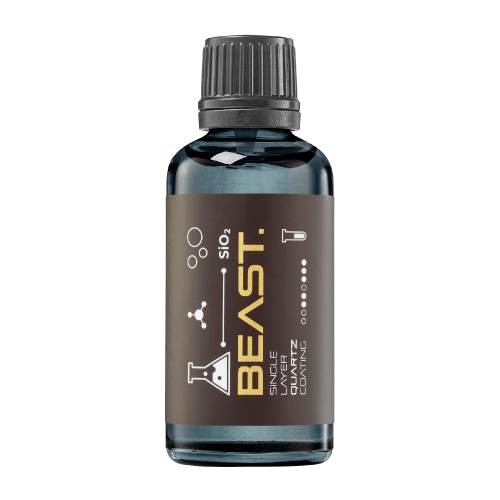
Explore the BEAST family of ceramic coatings.
Find the coating for each exterior surface.
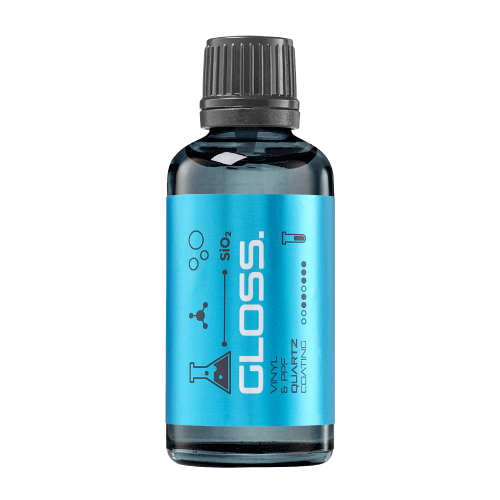
 PPF & VINYLGLOSSProtection for glossy films and wraps.Discover
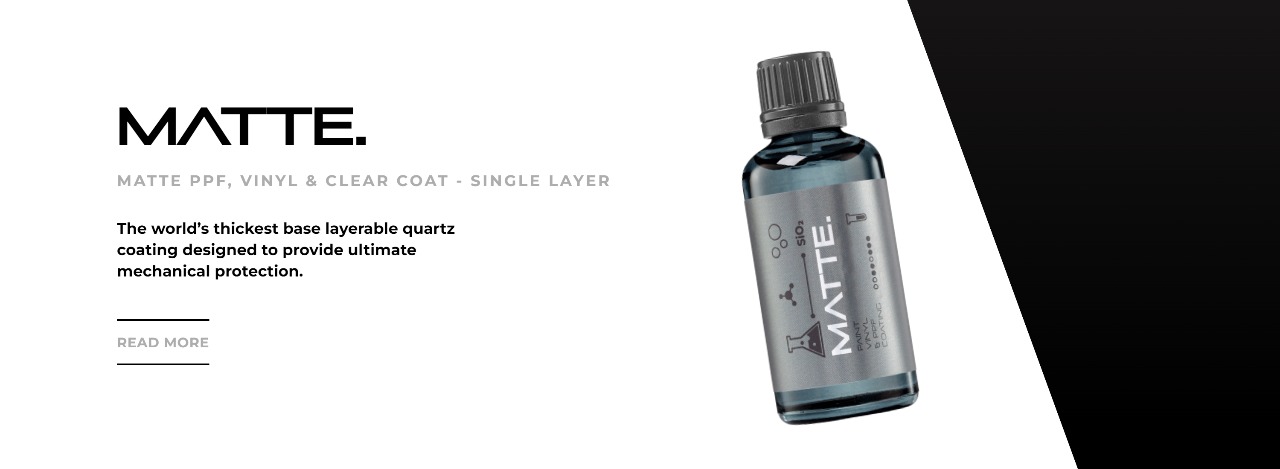
 MATTE & SATINMATTEProtection that respects the finish.Discover
 GLASSWINDOWSExplore dedicated glass protection.Discover
 WHEEL PROTECTIONWHEELSA dedicated coating for your wheels.Discover
 TRIM PROTECTIONPLASTICProtection for plastic surfaces.Discover
Dedicated care for the surfaces inside.
 LEATHER SURFACESLEATHERDiscover NANOLAB leather protection.Discover PLASTIC SURFACESPLASTICProtection for interior plastic surfaces.Discover TEXTILE SURFACESFABRICExplore the latest fabric formulation.Discover
Spray protection, maintenance and upcoming wash products.
 MAINTENANCEBEAST 365Explore the BEAST maintenance range.Discover
Next in washing, cleaning & care.
Ceramic protection for boats and yachts.
An easy-to-apply ceramic coating with an established track record on boats and yachts around the world.
Results vary with surface preparation, exposure and maintenance.
Read 50 MARINE guides →Explore MARINEProtection for the surfaces you live with.
A look at what we’re developing.
From cutting and one-step correction to final finishing.
A wider range for professional vehicle care.
Taking shape alongside BEAST & MATRIX.
Practical guidance for your next coating project.
Explore all guides →
Practical guides for vehicle care, boats, living spaces, shower glass, stainless steel and private-label coating projects.
Explore 3219 guides, covering surface preparation, product selection, application and everyday maintenance.
A spare trim sample is useful only if its finish matches the installed component. Similar colour does not prove identical construction.

A liquid-repellency demonstration does not fully show how a textile cleans after a spill. The intended benefit needs a relevant test.
Customers need usable care instructions for the exact leather and treatment. Generic advice to use any leather cleaner is insufficient.
A seating pilot should reflect the intended users, cleaning process and textile construction. A showroom swatch alone may miss practical requirements.
Surface function helps identify requirements that a material name misses. Controls, seats, displays and decorative trim have different acceptance questions.
A manufacturer, brand owner and contract packer each control different parts of the finished product. Their handover needs explicit technical responsibilities.
A retail presentation pack may need additional protection for individual parcel delivery. Evaluate the complete shipped order.
A recurring supply plan should fit consumption and product-use instructions. A fixed delivery rhythm can create unnecessary stock if use varies.
Retail buyers need to identify intended surface, skill level and essential use information before purchase. Packaging should make that decision understandable.
Bundling products creates an implied workflow. Each component must have a clear role and compatible place in that sequence.
Training consumes material through demonstrations, practice and assessment. Its quantity and packaging needs can differ from retail sales.
A sample request should explain what the buyer intends to evaluate. This helps the supplier propose a relevant product and documentation set.