






A full polishing range.
From cutting and one-step correction to final finishing.
Specialist chemistry. Expert application.
 QUARTZ99 / CERAMIC BASE COAT
The foundation of your coating system.
A layerable quartz base coat designed for mechanical protection. Pair it with a suitable top coat to create the final finish.
For application by NANOLAB certified installers only.
Four formulas. Extended working time. Find the coating for your finish.
Explore the BEAST family of ceramic coatings.
Find the coating for each exterior surface.
 PPF & VINYLGLOSSProtection for glossy films and wraps.Discover
 MATTE & SATINMATTEProtection that respects the finish.Discover
 GLASSWINDOWSExplore dedicated glass protection.Discover
 WHEEL PROTECTIONWHEELSA dedicated coating for your wheels.Discover
 TRIM PROTECTIONPLASTICProtection for plastic surfaces.Discover
Dedicated care for the surfaces inside.
 LEATHER SURFACESLEATHERDiscover NANOLAB leather protection.Discover PLASTIC SURFACESPLASTICProtection for interior plastic surfaces.Discover TEXTILE SURFACESFABRICExplore the latest fabric formulation.Discover
Spray protection, maintenance and upcoming wash products.
 MAINTENANCEBEAST 365Explore the BEAST maintenance range.Discover
Next in washing, cleaning & care.
Ceramic protection for boats and yachts.
An easy-to-apply ceramic coating with an established track record on boats and yachts around the world.
Results vary with surface preparation, exposure and maintenance.
Read 50 MARINE guides →Explore MARINEProtection for the surfaces you live with.
A look at what we’re developing.
From cutting and one-step correction to final finishing.
A wider range for professional vehicle care.
Taking shape alongside BEAST & MATRIX.
Practical guidance for your next coating project.
Explore all guides →
Plan the transition from correction to protection around an accepted finish, compatible residue removal and the chosen coating's actual application requirements.
Updated · NANOLAB Knowledge
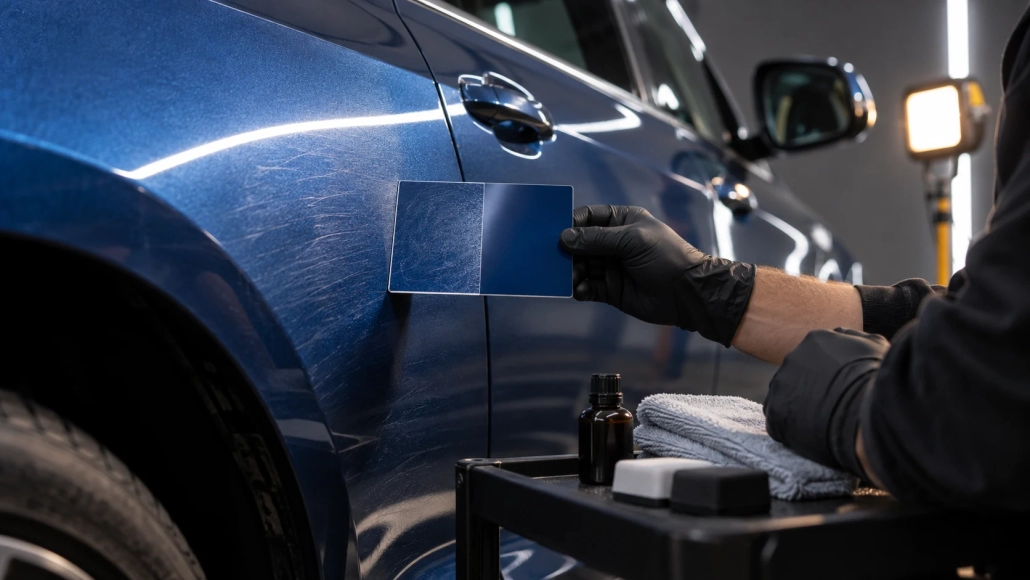
Polishing and ceramic protection perform different jobs. Correction changes the appearance of suitable paint through a controlled abrasive process. Protection follows on a prepared compatible surface. A good service plans the transition before the first polishing test.
Agree which defects will be addressed and which may remain. Inspect the completed correction after suitable residue removal rather than expecting a coating to conceal unfinished work.
If the cutting stage leaves haze, resolve it through a validated finishing process. Protection is not a substitute for that acceptance check.
The selected coating determines surface compatibility, preparation and application requirements. Know those requirements before choosing a polish that may leave wax, sealant or other protective ingredients.
Do not assume all products from one coating family have identical roles or installer requirements. Read the current technical information for the exact formula.
Separate cutting pads and dusty cleanup materials from the final preparation stage. Check surrounding seams and details so residue does not migrate back onto accepted paint.
Use the coating’s prescribed cleaning process and allow the surface to reach the intended application condition. An improvised strong solvent wipe is not a universal shortcut to readiness.
NANOLAB offers MATRIX products, the BEAST family and the QUARTZ99 base-coat system. Selection should account for the finish, installation requirements and intended protection arrangement. QUARTZ99’s professional base-coat role should not be confused with a polishing liquid or a universal standalone substitute for every coating.
Review the current product documentation and ask NANOLAB where compatibility is unclear. The goal is a coherent sequence: accepted correction, verified preparation and an appropriate protection system.
Record that sequence for future maintenance. If local polishing is needed later, the installer can then assess how it affects the protection rather than treating the coating as an invisible layer that abrasion automatically leaves intact.
Browse the complete car polish and compound guide.
For NANOLAB protection selection and application requirements, consult the technical documentation or contact NANOLAB with the intended surface and process.
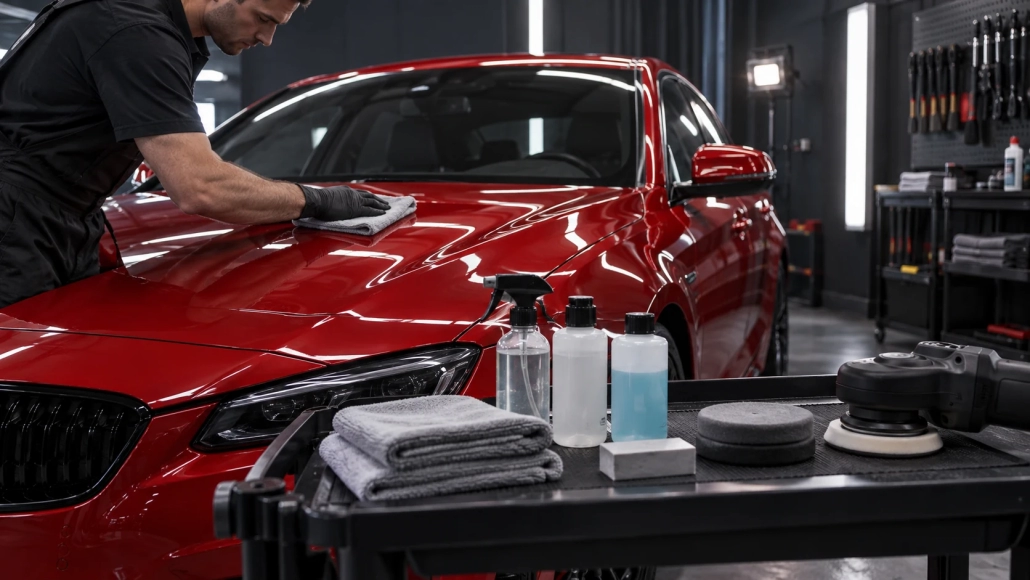
Evaluate coating-ready claims by the exact polish, coating and preparation procedure instead of treating the phrase as permission to skip inspection.
Use inspection and a test area to decide whether polishing is needed, how much correction is sensible and which defects should remain.

 Coating-Ready Polish Claims: What Must Be Verified?