






A full polishing range.
From cutting and one-step correction to final finishing.
Specialist chemistry. Expert application.
 QUARTZ99 / CERAMIC BASE COAT
The foundation of your coating system.
A layerable quartz base coat designed for mechanical protection. Pair it with a suitable top coat to create the final finish.
For application by NANOLAB certified installers only.
Four formulas. Extended working time. Find the coating for your finish.
Explore the BEAST family of ceramic coatings.
Find the coating for each exterior surface.
 PPF & VINYLGLOSSProtection for glossy films and wraps.Discover
 MATTE & SATINMATTEProtection that respects the finish.Discover
 GLASSWINDOWSExplore dedicated glass protection.Discover
 WHEEL PROTECTIONWHEELSA dedicated coating for your wheels.Discover
 TRIM PROTECTIONPLASTICProtection for plastic surfaces.Discover
Dedicated care for the surfaces inside.
 LEATHER SURFACESLEATHERDiscover NANOLAB leather protection.Discover PLASTIC SURFACESPLASTICProtection for interior plastic surfaces.Discover TEXTILE SURFACESFABRICExplore the latest fabric formulation.Discover
Spray protection, maintenance and upcoming wash products.
 MAINTENANCEBEAST 365Explore the BEAST maintenance range.Discover
Next in washing, cleaning & care.
Ceramic protection for boats and yachts.
An easy-to-apply ceramic coating with an established track record on boats and yachts around the world.
Results vary with surface preparation, exposure and maintenance.
Read 50 MARINE guides →Explore MARINEProtection for the surfaces you live with.
A look at what we’re developing.
From cutting and one-step correction to final finishing.
A wider range for professional vehicle care.
Taking shape alongside BEAST & MATRIX.
Practical guidance for your next coating project.
Explore all guides →
Decide whether a post-polish wash belongs in the workflow by residue, contamination and protection instructions, while avoiding new contact marks.
Updated · NANOLAB Knowledge
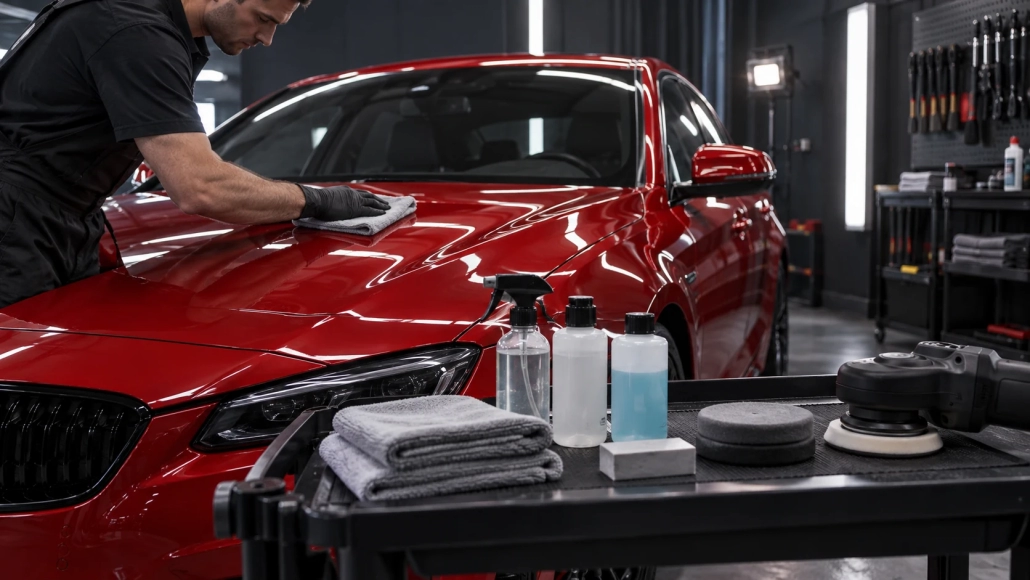
A post-polish wash can remove certain loose residues from a vehicle, but it is not automatically required or sufficient for every protection system. Decide what needs to be removed and which method the selected products support.
Inspect dust, splatter, seams and surrounding trim after correction. A clean central panel does not prove the entire vehicle is ready for final preparation.
Some residue may be managed through the system’s prescribed wipe-off and local cleanup; other jobs may justify a compatible wash. Identify the actual condition first.
A wash does not necessarily replace the final preparation specified by a coating supplier. Likewise, a panel wipe may not be the best way to remove large amounts of loose debris.
Build a sequence that addresses both visible contamination and the coating’s requirements. Do not assume more chemical stages always produce a better result.
If washing, use clean appropriate tools and careful drying. The paint has just reached an accepted appearance; dirty mitts or aggressive towel contact can reintroduce marks.
Check gaps and details for retained water before protection according to the application procedure. Water emerging later can complicate an otherwise clean coating stage.
Compare the finish under the same lighting used to accept the test. If marks appear, distinguish newly introduced contact from defects previously hidden by residue.
Record the wash and final preparation products so the workflow is traceable. A later technician should not have to guess which protective shampoo or additive was used.
The correct answer depends on the residue and the documented system. A post-polish wash should have a clear purpose and be executed carefully enough to preserve the finish it is intended to prepare.
Browse the complete car polish and compound guide.
For NANOLAB protection selection and application requirements, consult the technical documentation or contact NANOLAB with the intended surface and process.
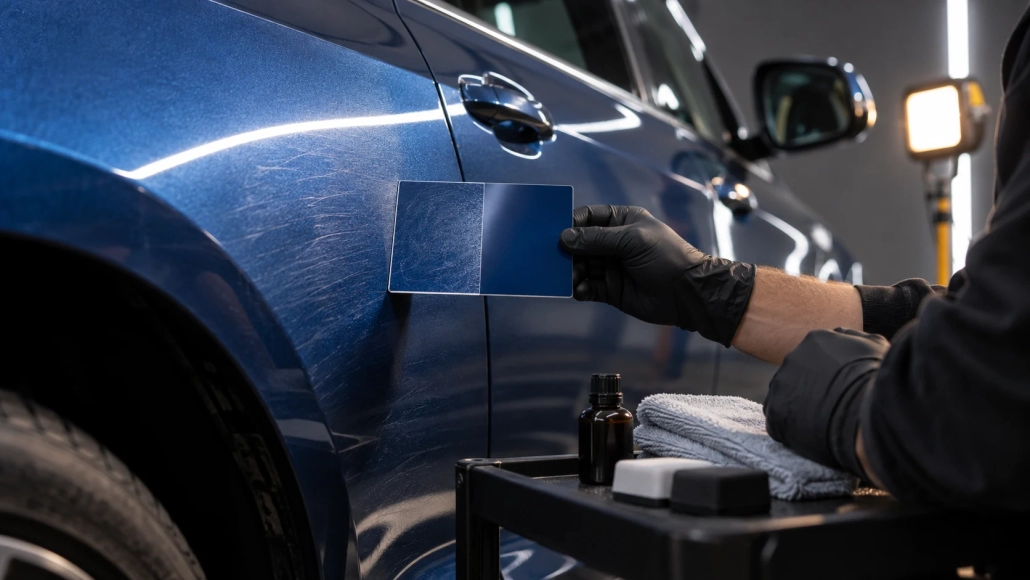
Plan the transition from correction to protection around an accepted finish, compatible residue removal and the chosen coating's actual application requirements.
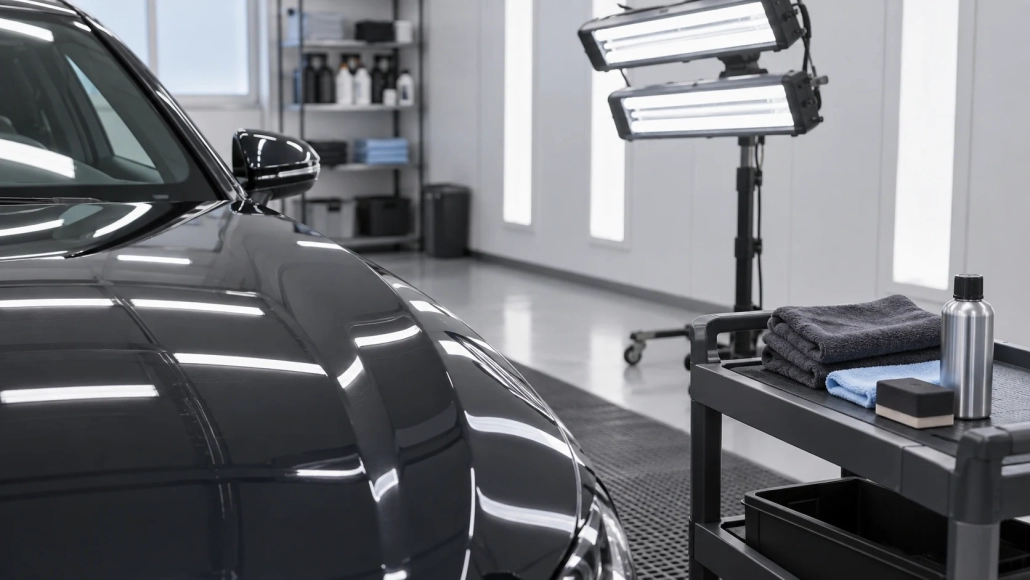
Separate routine cleaning and protection renewal from abrasive correction, and choose polishing frequency from actual defects and paint history.
Follow an inspection-led preparation process that addresses contamination, correction and final cleaning before ceramic coating is applied.

 How Often Should You Polish a Car? Let Condition Decide