






A full polishing range.
From cutting and one-step correction to final finishing.
Specialist chemistry. Expert application.
 QUARTZ99 / CERAMIC BASE COAT
The foundation of your coating system.
A layerable quartz base coat designed for mechanical protection. Pair it with a suitable top coat to create the final finish.
For application by NANOLAB certified installers only.
Four formulas. Extended working time. Find the coating for your finish.
Explore the BEAST family of ceramic coatings.
Find the coating for each exterior surface.
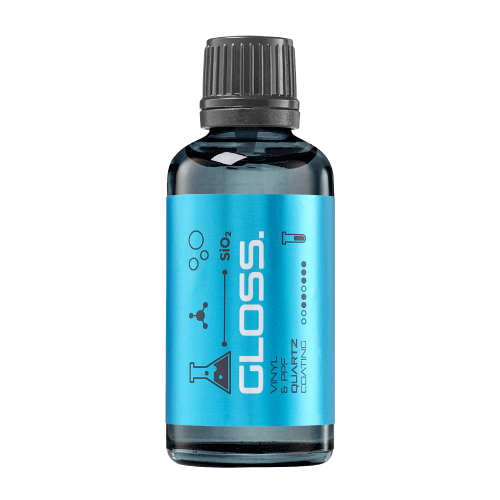
 PPF & VINYLGLOSSProtection for glossy films and wraps.Discover
 MATTE & SATINMATTEProtection that respects the finish.Discover
 GLASSWINDOWSExplore dedicated glass protection.Discover
 WHEEL PROTECTIONWHEELSA dedicated coating for your wheels.Discover
 TRIM PROTECTIONPLASTICProtection for plastic surfaces.Discover
Dedicated care for the surfaces inside.
 LEATHER SURFACESLEATHERDiscover NANOLAB leather protection.Discover PLASTIC SURFACESPLASTICProtection for interior plastic surfaces.Discover TEXTILE SURFACESFABRICExplore the latest fabric formulation.Discover
Spray protection, maintenance and upcoming wash products.
 MAINTENANCEBEAST 365Explore the BEAST maintenance range.Discover
Next in washing, cleaning & care.
Ceramic protection for boats and yachts.
An easy-to-apply ceramic coating with an established track record on boats and yachts around the world.
Results vary with surface preparation, exposure and maintenance.
Read 50 MARINE guides →Explore MARINEProtection for the surfaces you live with.
A look at what we’re developing.
From cutting and one-step correction to final finishing.
A wider range for professional vehicle care.
Taking shape alongside BEAST & MATRIX.
Practical guidance for your next coating project.
Explore all guides →
Practical guides for vehicle care, boats, living spaces, shower glass, stainless steel and private-label coating projects.
Explore 3219 guides, covering surface preparation, product selection, application and everyday maintenance.
Fingerprint visibility depends on handling and viewing conditions. A fair comparison needs a consistent procedure and clear endpoint.
A flat material sample does not represent every feature of a formed component. Bends change access and reflection during application and inspection.
A visible mark may be removable residue or a change in the finish. The distinction determines the next step.
A decorative PVD finish is part of the substrate presented to the coating. Approval for bare stainless steel does not automatically cover it.
Anodized aluminium is not equivalent to bare aluminium. The existing finish and its intended use should guide compatibility review.
Clear treatments can make sample orientation difficult to identify later. The treated face should remain traceable without touching or altering it.
Installed fittings can block parts of the treatment area. The evaluation should reflect the real assembly and any agreed exclusions.
A surface coating does not justify ignoring the stainless steel's cleaning restrictions. The metal and coating requirements must both be considered.
A cleanability trial should use the maintenance method planned for the installation. Changing the cloth can change the practical experience.
Off-site treatment can reach areas later used for bonding, sealing or assembly. Those areas require explicit scope decisions.
A tool-contact mark may involve deposited material, a scratch or damage to the existing finish. These require different responses.
Different areas of a facade can experience different wetting and contamination patterns. A single accessible sample may not represent the whole installation.