






A full polishing range.
From cutting and one-step correction to final finishing.
Specialist chemistry. Expert application.
 QUARTZ99 / CERAMIC BASE COAT
The foundation of your coating system.
A layerable quartz base coat designed for mechanical protection. Pair it with a suitable top coat to create the final finish.
For application by NANOLAB certified installers only.
Four formulas. Extended working time. Find the coating for your finish.
Explore the BEAST family of ceramic coatings.
Find the coating for each exterior surface.
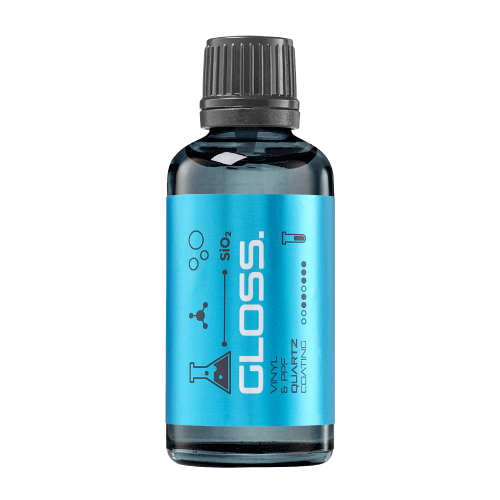
 PPF & VINYLGLOSSProtection for glossy films and wraps.Discover
 MATTE & SATINMATTEProtection that respects the finish.Discover
 GLASSWINDOWSExplore dedicated glass protection.Discover
 WHEEL PROTECTIONWHEELSA dedicated coating for your wheels.Discover
 TRIM PROTECTIONPLASTICProtection for plastic surfaces.Discover
Dedicated care for the surfaces inside.
 LEATHER SURFACESLEATHERDiscover NANOLAB leather protection.Discover PLASTIC SURFACESPLASTICProtection for interior plastic surfaces.Discover TEXTILE SURFACESFABRICExplore the latest fabric formulation.Discover
Spray protection, maintenance and upcoming wash products.
 MAINTENANCEBEAST 365Explore the BEAST maintenance range.Discover
Next in washing, cleaning & care.
Ceramic protection for boats and yachts.
An easy-to-apply ceramic coating with an established track record on boats and yachts around the world.
Results vary with surface preparation, exposure and maintenance.
Read 50 MARINE guides →Explore MARINEProtection for the surfaces you live with.
A look at what we’re developing.
From cutting and one-step correction to final finishing.
A wider range for professional vehicle care.
Taking shape alongside BEAST & MATRIX.
Practical guidance for your next coating project.
Explore all guides →
Practical guides for vehicle care, boats, living spaces, shower glass, stainless steel and private-label coating projects.
Explore 3219 guides, covering surface preparation, product selection, application and everyday maintenance.
Reupholstered seats have a new material and construction history. Confirm that history before using the old seat’s coating routine.
A glossy bolster patch can be residue, wear or a changed outer finish. Establish a clean baseline before deciding what protection can achieve.
A removable armrest may have different upholstery from the main seats. Confirm its finish and fitting requirements before treatment.
Dried coffee on coated upholstery needs compatible cleaning before protection assessment. Identify the residue and actual seat material first.
Decorative piping creates a narrow boundary that may use another material. Check it separately before applying leather protection.
An interior detail spray can change appearance or feel on protected upholstery. Identify the product before layering more treatments.
Chauffeur use can concentrate contact, cleaning and spills on particular seats. Design the protection and maintenance plan around that use.
Hand-sanitiser transfer introduces a product-specific exposure. Identify the formulation and the upholstery before cleaning.
A seam repair changes the seat’s local construction history. Confirm the repairer’s requirements before cleaning or coating nearby upholstery.
A bag strap may leave transferred residue or a physical contact mark. Identify the dry condition before choosing treatment.
Interior protection before storage should start with clean, suitable upholstery and a workable curing plan. Storage does not justify coating every surface.
Sticky armrest residue can come from spilled products, dressings or a deteriorating outer finish. Diagnose the surface before selecting a stronger cleaner.