
IN DEVELOPMENT / MATRIX SERIES
MATRIX ELITE P7020
The next flagship of the MATRIX series.
75%Solids content
Specialist chemistry. Expert application.
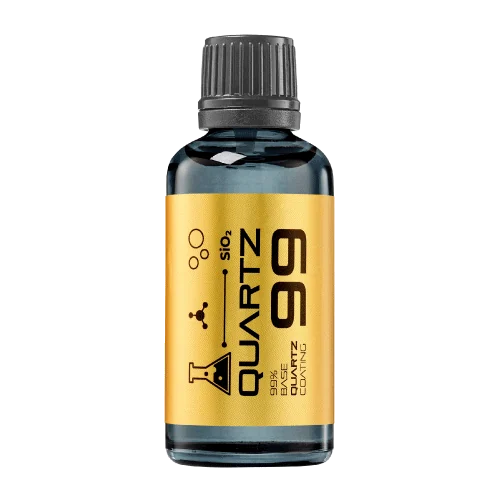 QUARTZ99 / CERAMIC BASE COAT
The foundation of your coating system.
A layerable quartz base coat designed for mechanical protection. Pair it with a suitable top coat to create the final finish.
For application by NANOLAB certified installers only.
Extended working time. A coating for the way you work.
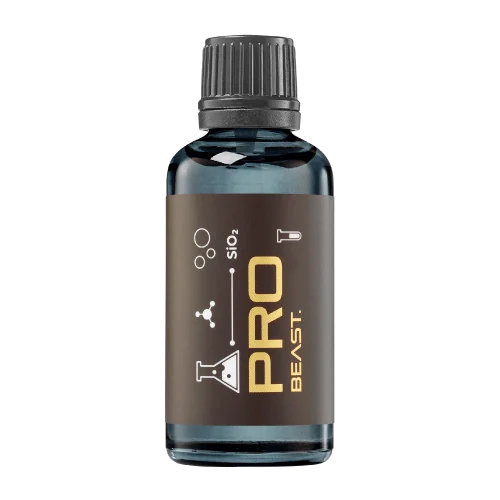
 P5012MATRIX PRORefined protection for glossy finishes.Application1/10Discover P503GMATRIX GRAPHENEVersatile protection for gloss and matte finishes.Application1/10Discover P303MATRIX LITEFor efficient, high-volume detailing.Application1/10Discover
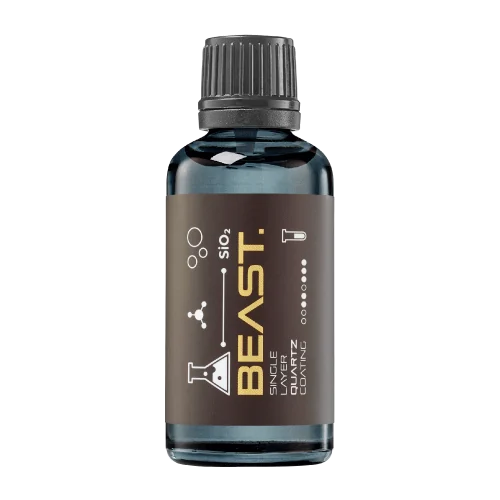
 Explore the BEAST family of ceramic coatings.
Find the coating for each exterior surface.
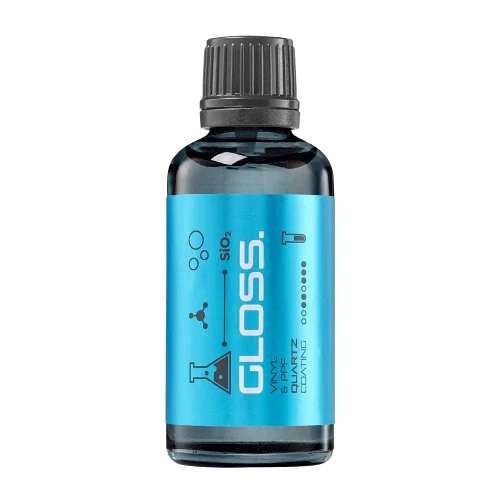 PPF & VINYLGLOSSProtection for glossy films and wraps.Application3/10Discover
 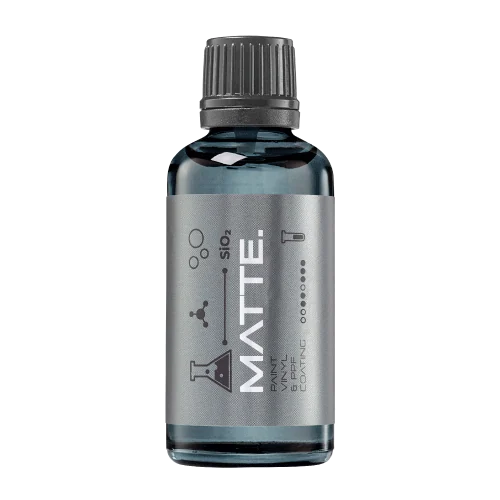 MATTE & SATINMATTEProtection that respects the finish.Application3/10Discover
 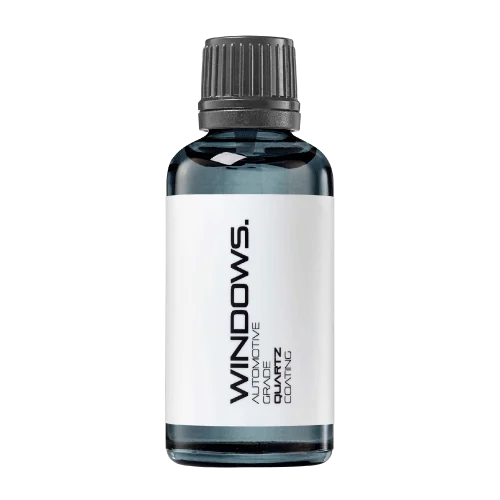 GLASSWINDOWSExplore dedicated glass protection.Application3/10Discover
 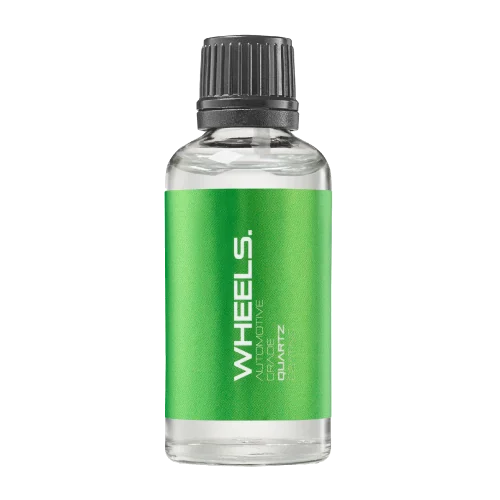 WHEEL PROTECTIONWHEELSA dedicated coating for your wheels.Application2/10Discover
 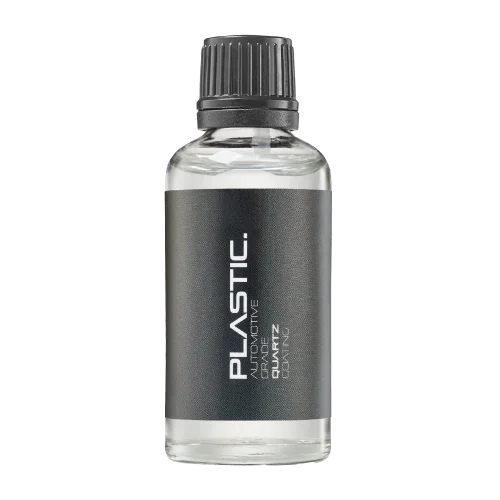 TRIM PROTECTIONPLASTICProtection for plastic surfaces.Application2/10Discover
 Dedicated care for the surfaces inside.
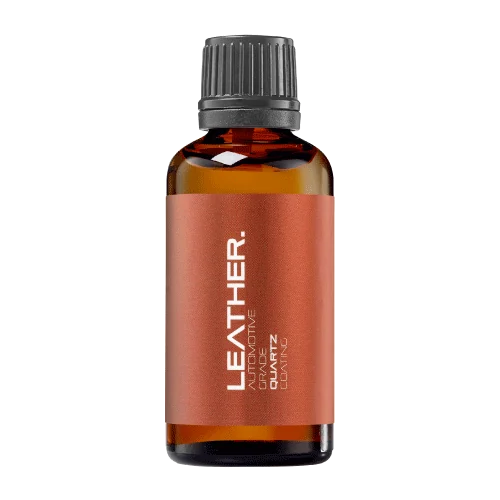 LEATHER SURFACESLEATHERDiscover NANOLAB leather protection.Application5/10Discover PLASTIC SURFACESPLASTICProtection for interior plastic surfaces.Application2/10Discover TEXTILE SURFACESFABRICExplore the latest fabric formulation.Application2/10Discover
 Spray protection, maintenance and upcoming wash products.
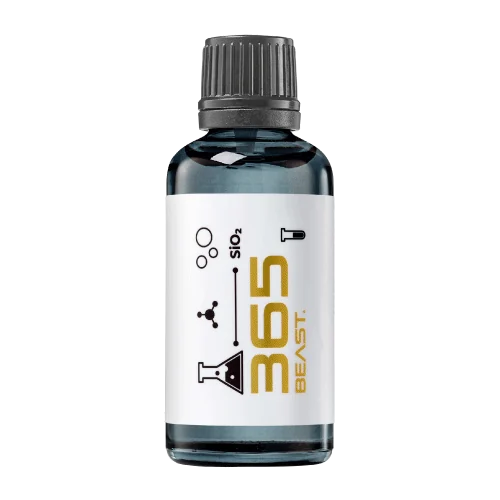 MAINTENANCEBEAST 365Explore the BEAST maintenance range.Application4/10Discover
 Next in washing, cleaning & care.
Ceramic protection for boats and yachts.
An easy-to-apply ceramic coating with an established track record on boats and yachts around the world.
Results vary with surface preparation, exposure and maintenance.
Read 50 MARINE guides →Explore MARINE Application4/10Protection for the surfaces you live with.
A look at what we’re developing.
The next flagship of the MATRIX series.
From cutting and one-step correction to final finishing.
A wider range for professional vehicle care.
Taking shape alongside BEAST & MATRIX.
Practical guidance for your next coating project.
Explore all guides →
Distinguish plated, coated and metallic-look trim before selecting cleaners, preparation methods or protective coatings.
Updated · NANOLAB Knowledge
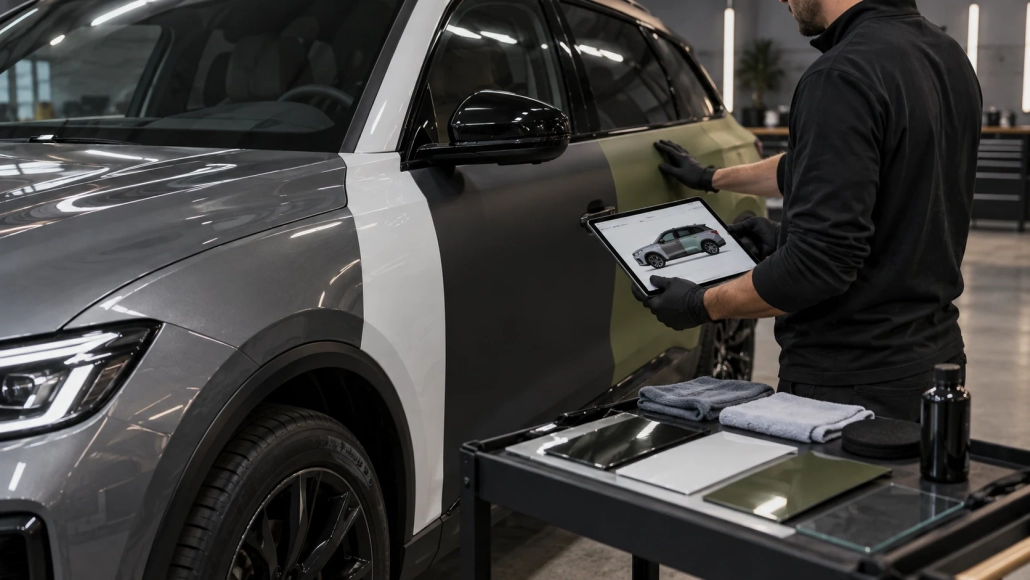
Bright trim can be metal, plated plastic, a coated finish or a decorative film. Its reflective appearance does not establish which material is exposed. Before ceramic coating is considered, identify the finish and check its condition so the preparation process does not damage a thin or sensitive surface.
Use vehicle or component documentation and the history of any replacement or refinishing. If the finish remains uncertain, ask a suitable specialist rather than testing it with an aggressive cleaner or polish. Adjacent pieces that look similar may have different constructions.
The mixed-surface map helps record these distinctions. Keep uncertainty visible in the job plan until suitability has been resolved.
Inspect for peeling, pitting, lifting edges and discolouration. Determine whether the concern is removable contamination or deterioration of the finish. A clear protective product cannot restore missing plating or repair a failing decorative layer.
Use ceramic coating limitations when discussing the expected result. Avoid presenting an increase in gloss as proof that the underlying trim problem has been corrected.
Follow the component’s care instructions and confirm compatibility of the proposed cleaner and coating. Do not assume that a metal polish is suitable merely because the trim looks metallic. Use a permitted inconspicuous test where appropriate, then inspect for colour, gloss or texture changes.
The coating test-spot guide supports a controlled decision. Stop if the test reveals an unexpected change or if the material’s suitability remains unclear.
If coating is appropriate, apply only to the approved surface and keep product out of seams or adjoining materials that cannot be properly levelled. Use suitable lighting from multiple angles to distinguish residue from normal reflections.
Refer to inspection reflection angles for the final check. Record the treated trim and care instructions separately where needed, so future washing does not treat every shiny exterior surface as ordinary clear-coated paint.
Create a surface map for vehicles combining paint, PPF, vinyl, glass and trim so every area receives a suitable NANOLAB system.
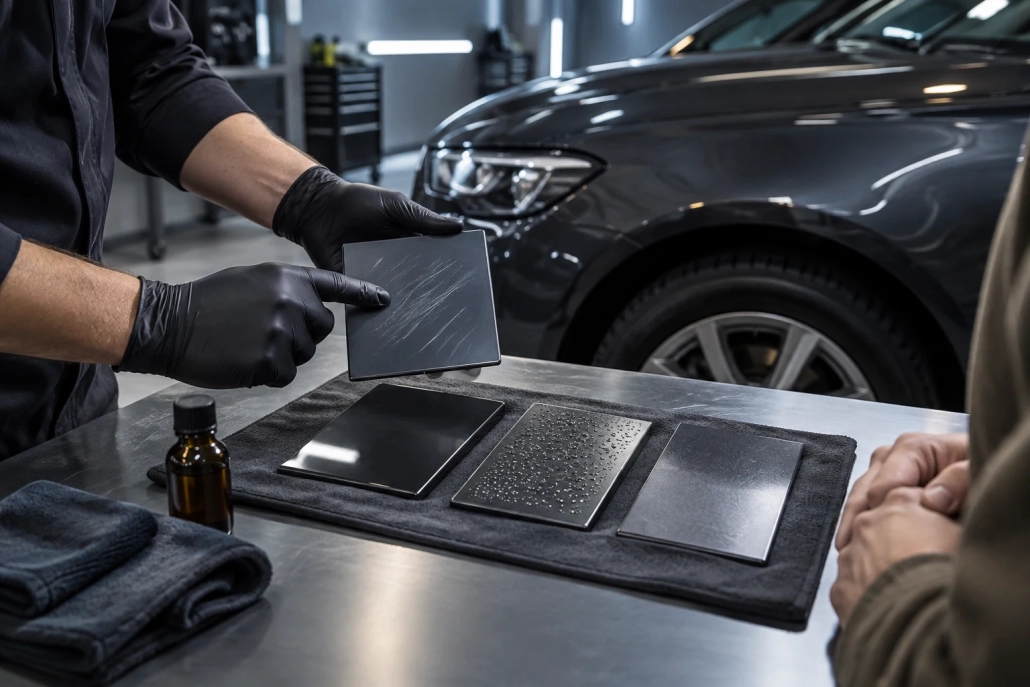
Set realistic expectations for scratches, stone chips, water spots and maintenance before choosing a ceramic coating for your vehicle.
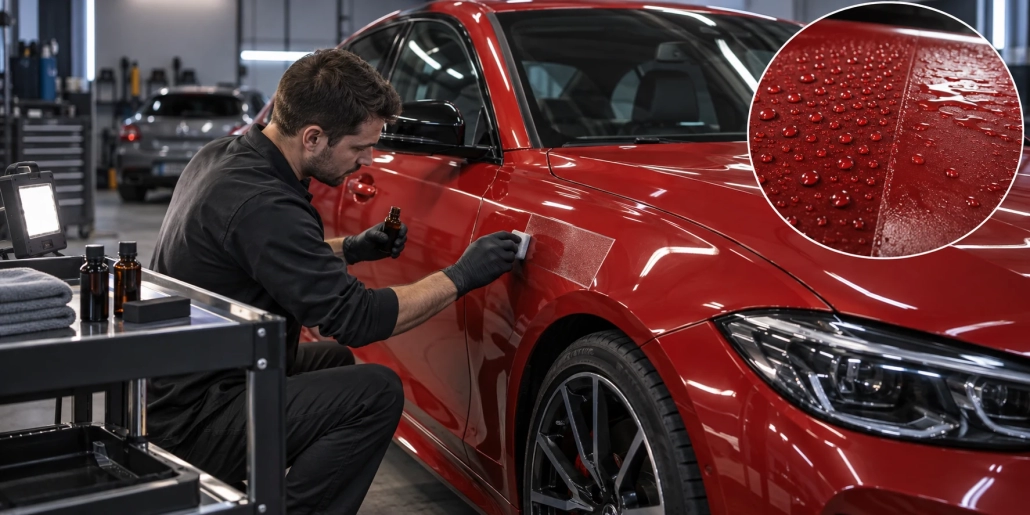
Use a small test area to verify compatibility, finish change and levelling before applying a coating across the vehicle.

 Assessing Fabric Roof Protection on a Convertible