






A full polishing range.
From cutting and one-step correction to final finishing.
Specialist chemistry. Expert application.
 QUARTZ99 / CERAMIC BASE COAT
The foundation of your coating system.
A layerable quartz base coat designed for mechanical protection. Pair it with a suitable top coat to create the final finish.
For application by NANOLAB certified installers only.
Four formulas. Extended working time. Find the coating for your finish.
Explore the BEAST family of ceramic coatings.
Find the coating for each exterior surface.
 PPF & VINYLGLOSSProtection for glossy films and wraps.Discover
 MATTE & SATINMATTEProtection that respects the finish.Discover
 GLASSWINDOWSExplore dedicated glass protection.Discover
 WHEEL PROTECTIONWHEELSA dedicated coating for your wheels.Discover
 TRIM PROTECTIONPLASTICProtection for plastic surfaces.Discover
Dedicated care for the surfaces inside.
 LEATHER SURFACESLEATHERDiscover NANOLAB leather protection.Discover PLASTIC SURFACESPLASTICProtection for interior plastic surfaces.Discover TEXTILE SURFACESFABRICExplore the latest fabric formulation.Discover
Spray protection, maintenance and upcoming wash products.
 MAINTENANCEBEAST 365Explore the BEAST maintenance range.Discover
Next in washing, cleaning & care.
Ceramic protection for boats and yachts.
An easy-to-apply ceramic coating with an established track record on boats and yachts around the world.
Results vary with surface preparation, exposure and maintenance.
Read 50 MARINE guides →Explore MARINEProtection for the surfaces you live with.
A look at what we’re developing.
From cutting and one-step correction to final finishing.
A wider range for professional vehicle care.
Taking shape alongside BEAST & MATRIX.
Practical guidance for your next coating project.
Explore all guides →
Assess chrome wheel plating, spoke recesses and cleaning requirements before choosing a ceramic coating and planning wheel maintenance.
Updated · NANOLAB Knowledge
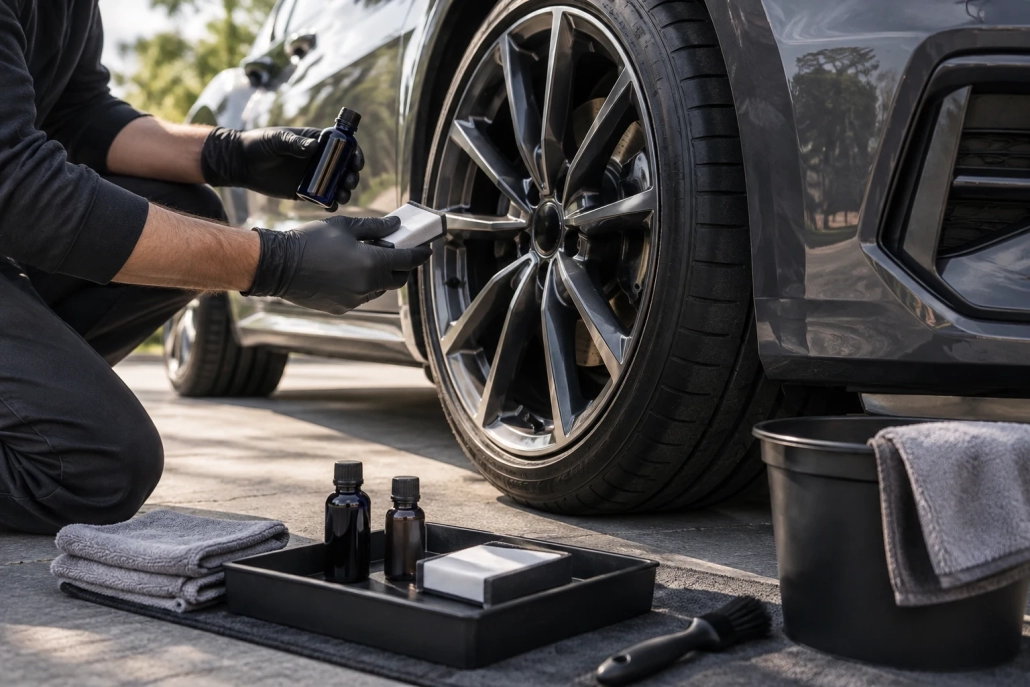
Chrome wheels combine a decorative finish with demanding cleaning access. Before choosing a ceramic coating, establish whether the wheel is chrome plated, polished aluminium, painted with a chrome effect or protected by a clear finish. Similar reflections do not make those surfaces interchangeable.
Inspect every wheel after washing. Check the spoke roots, valve area, rim edge and accessible inner barrel for lifting finish, chips and corrosion. One wheel may have been repaired or replaced, so do not use its neighbour as proof of compatibility. Photograph defects and separate coating work from any necessary wheel repair.
A cosmetic treatment is not a repair for cracking, deformation or an air-loss problem. Refer those conditions to a qualified wheel professional before cosmetic work continues.
Decide whether the job covers the visible face or also the barrel. Wheel removal and refitting should be performed by a competent person using the vehicle’s requirements. Protect tyre surfaces, brake friction surfaces, valve components and wheel mounting interfaces from unintended treatment.
Use a test area that represents the actual plating. Compare the finish after preparation, after application and after the instructed cure. Check bright and shaded viewing angles because excess product can be difficult to see between spokes.
The words wheel cleaner do not prove suitability for chrome. Obtain compatibility information for both the finish and coating, including dilution and dwell time. A cleaner that works on a painted wheel may be unsuitable for damaged or decorative plating. Do not combine cleaners or compensate for a poor result by extending exposure without instructions.
Record how easily ordinary brake dust and road soil release using the approved wash routine. Compare cleaning time and appearance across repeat visits. Persistent roughness or returning corrosion calls for inspection of the underlying wheel, not an automatic extra coating layer. Agree on a realistic maintenance interval based on driving and contamination rather than promising a wheel that never needs cleaning.
For your exact finish and service conditions, ask NANOLAB about coating suitability and consult the current product documentation.
Check wheel finish and product compatibility, prepare intricate areas carefully and keep coating away from components that require friction.
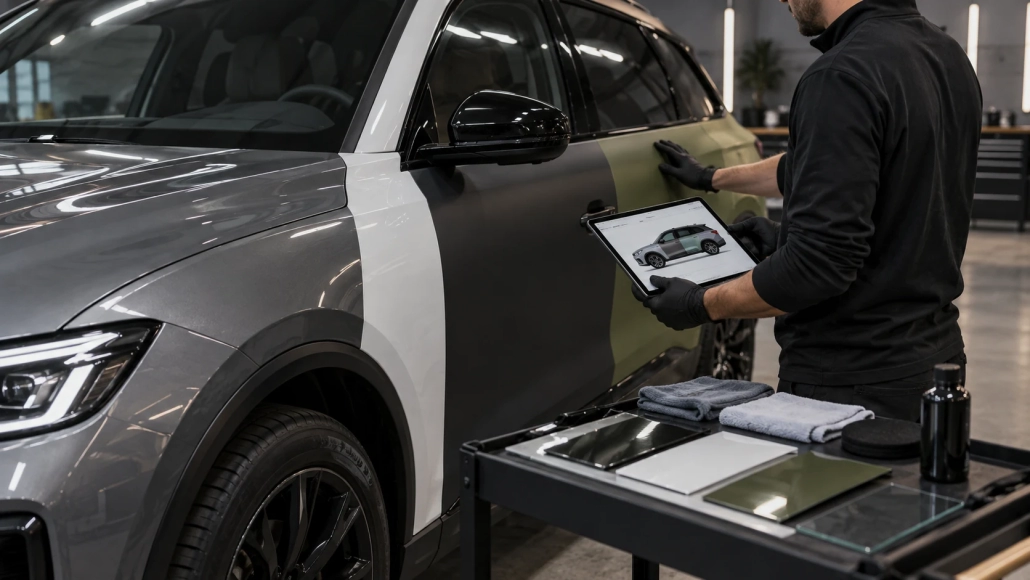
Understand why ceramic coating cannot repair pitted chrome, how to distinguish deposits from plating damage and when restoration should come first.
Plan ceramic coating for chrome-plated bumpers, including plating inspection, access around mounting points, preparation and practical aftercare.

 Ceramic Coating Motorcycle Chrome Covers and Brightwork