


IN DEVELOPMENT / MATRIX SERIES
MATRIX ELITE P7020
The next flagship of the MATRIX series.
75%Solids content
Specialist chemistry. Expert application.
 QUARTZ99 / CERAMIC BASE COAT
The foundation of your coating system.
A layerable quartz base coat designed for mechanical protection. Pair it with a suitable top coat to create the final finish.
For application by NANOLAB certified installers only.
Extended working time. A coating for the way you work.
 P5012MATRIX PRORefined protection for glossy finishes.Application1/10Discover P503GMATRIX GRAPHENEVersatile protection for gloss and matte finishes.Application1/10Discover P303MATRIX LITEFor efficient, high-volume detailing.Application1/10Discover
 Explore the BEAST family of ceramic coatings.
Find the coating for each exterior surface.
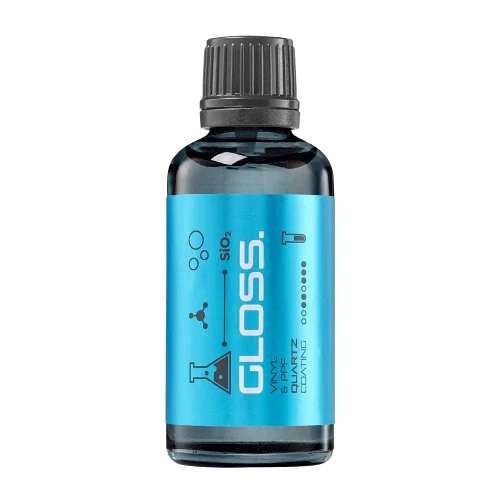 PPF & VINYLGLOSSProtection for glossy films and wraps.Application3/10Discover
 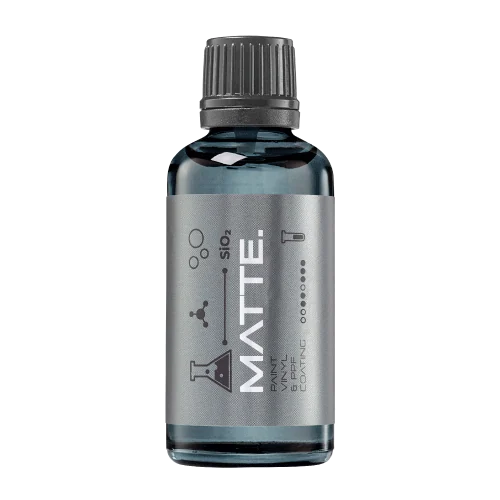 MATTE & SATINMATTEProtection that respects the finish.Application3/10Discover
 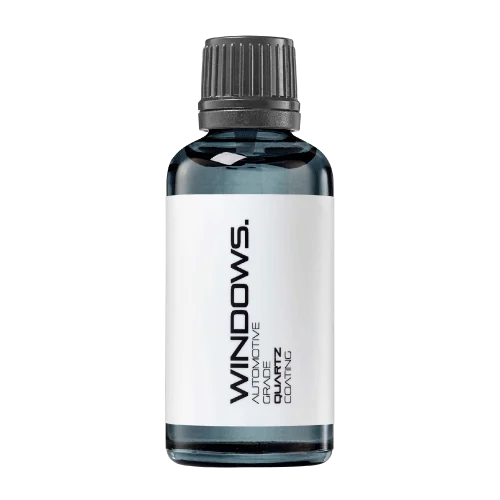 GLASSWINDOWSExplore dedicated glass protection.Application3/10Discover
 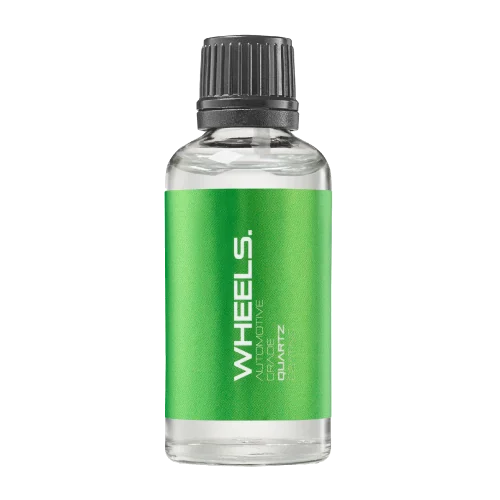 WHEEL PROTECTIONWHEELSA dedicated coating for your wheels.Application2/10Discover
 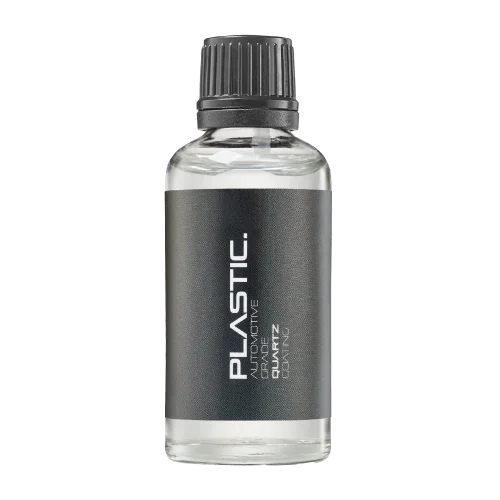 TRIM PROTECTIONPLASTICProtection for plastic surfaces.Application2/10Discover
 Dedicated care for the surfaces inside.
 LEATHER SURFACESLEATHERDiscover NANOLAB leather protection.Application5/10Discover PLASTIC SURFACESPLASTICProtection for interior plastic surfaces.Application2/10Discover TEXTILE SURFACESFABRICExplore the latest fabric formulation.Application2/10Discover
 Spray protection, maintenance and upcoming wash products.
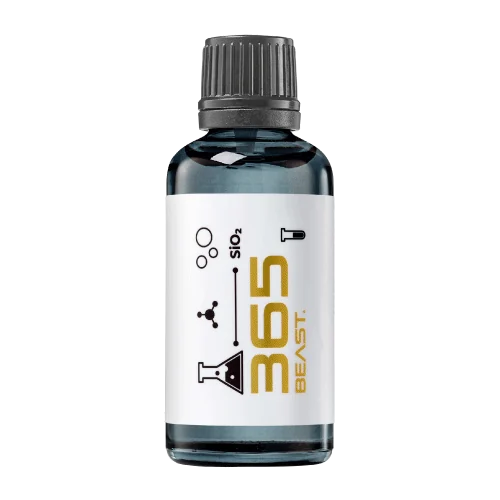 MAINTENANCEBEAST 365Explore the BEAST maintenance range.Application4/10Discover
 Next in washing, cleaning & care.
Ceramic protection for boats and yachts.
An easy-to-apply ceramic coating with an established track record on boats and yachts around the world.
Results vary with surface preparation, exposure and maintenance.
Read 50 MARINE guides →Explore MARINE Application4/10Protection for the surfaces you live with.
A look at what we’re developing.
The next flagship of the MATRIX series.
From cutting and one-step correction to final finishing.
A wider range for professional vehicle care.
Taking shape alongside BEAST & MATRIX.
Practical guidance for your next coating project.
Explore all guides →
Define the approved coating, pack, documents and acceptance references in one specification that supports accurate repeat orders.
Updated · NANOLAB Knowledge

A product specification sheet connects the approved ceramic coating to the finished item you intend to order. It is not a marketing brochure or a replacement for the manufacturer’s technical and safety documents. Its job is to remove ambiguity from production, purchasing and receiving.
Include your internal product reference, the agreed formula reference, nominal fill volume, bottle and closure specification, label revision and kit contents. Where a detail is controlled by a separate approved drawing or document, reference that document rather than copying information that may become outdated.
Keep different pack sizes as distinct orderable items. A 30 mL bottle and a 50 mL bottle may share a formula but require different labels, cartons or kit quantities. The specification should reflect the physical item a customer receives.
Record the intended surfaces and user group using the current technical guidance. Avoid adding a durability, hardness or compatibility statement merely because it appears in draft artwork. If a claim is unresolved, mark it as pending and keep it out of approved production material.
The technical data sheet guide explains how to read product information in context. Your specification should point to the applicable revision, including any separate instructions supplied with the pack.
Identify the accepted sample, packaging proof and any agreed receiving criteria. State which changes require reapproval. This creates a practical link between the development decision and a future delivery that may arrive months later.
A concise approval section can include the approved item, document version, decision date, approver and unresolved conditions. Do not mark the whole project approved while important conditions remain open.
Purchasing uses it to request the correct item. The supplier uses the agreed information to confirm the scope. Receiving uses it to check the delivered product. If these teams are using different versions, the specification is not doing its job.
Review it when the formula, packaging or instructions change, and keep obsolete versions clearly identified. Link the sheet to formula change control and your repeat-order plan. Discuss the information needed for your supply format with NANOLAB before treating a draft as a production instruction.

Find the information that affects product selection, installation and maintenance, and identify missing details before the job begins.

Control formula revisions with clear reasons, sample evaluation, document updates and stock identification before a changed coating reaches users.
Plan private label coating replenishment using usable stock, demand, confirmed lead times and packaging readiness.

 Running a Blind Sample Comparison for Ceramic Coatings