
IN DEVELOPMENT / MATRIX SERIES
MATRIX ELITE P7020
The next flagship of the MATRIX series.
75%Solids content
Specialist chemistry. Expert application.
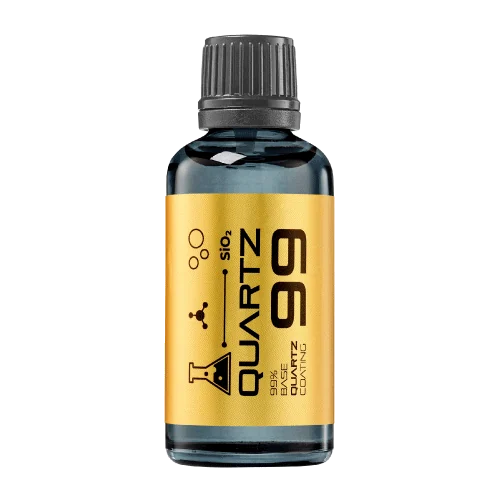 QUARTZ99 / CERAMIC BASE COAT
The foundation of your coating system.
A layerable quartz base coat designed for mechanical protection. Pair it with a suitable top coat to create the final finish.
For application by NANOLAB certified installers only.
Extended working time. A coating for the way you work.
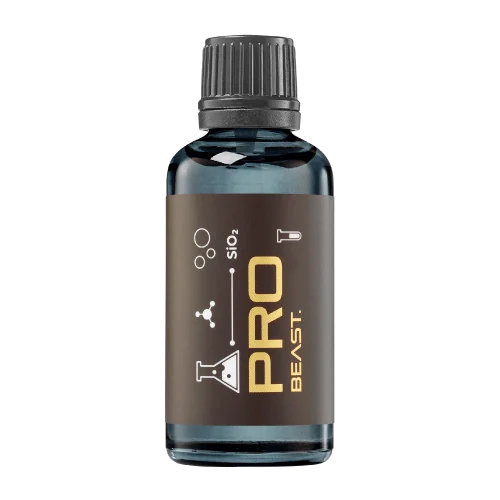
 P5012MATRIX PRORefined protection for glossy finishes.Application1/10Discover P503GMATRIX GRAPHENEVersatile protection for gloss and matte finishes.Application1/10Discover P303MATRIX LITEFor efficient, high-volume detailing.Application1/10Discover
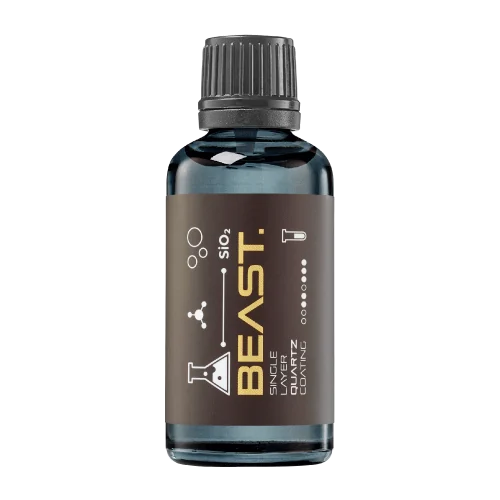
 Explore the BEAST family of ceramic coatings.
Find the coating for each exterior surface.
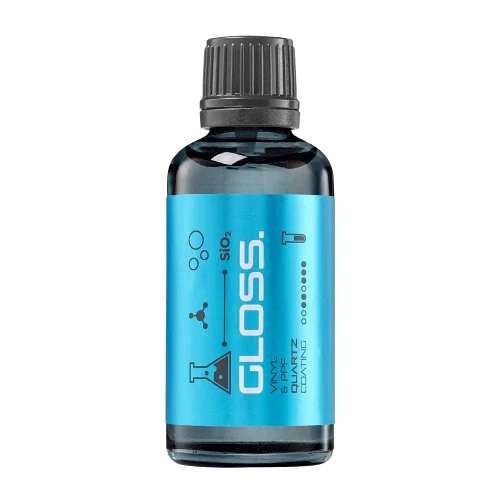 PPF & VINYLGLOSSProtection for glossy films and wraps.Application3/10Discover
 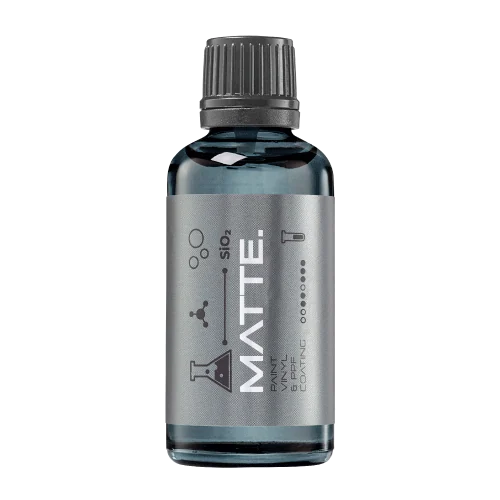 MATTE & SATINMATTEProtection that respects the finish.Application3/10Discover
 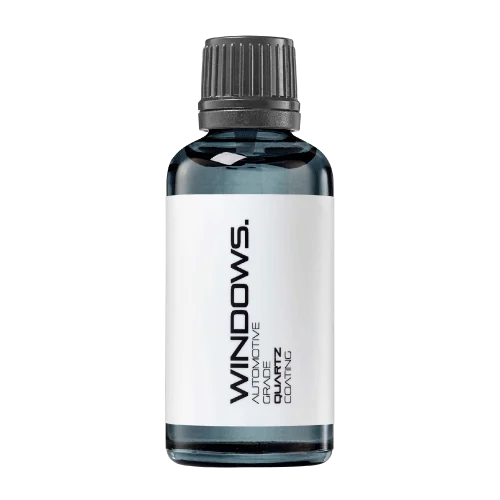 GLASSWINDOWSExplore dedicated glass protection.Application3/10Discover
 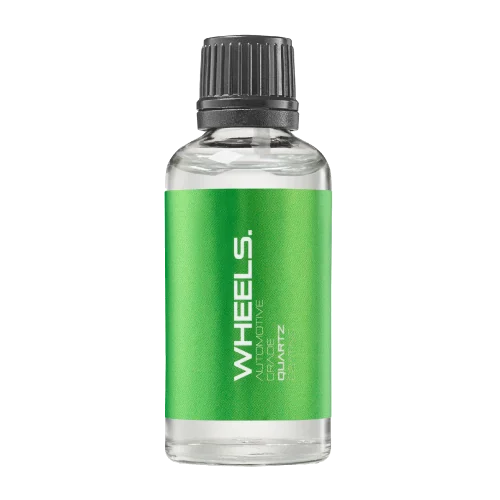 WHEEL PROTECTIONWHEELSA dedicated coating for your wheels.Application2/10Discover
 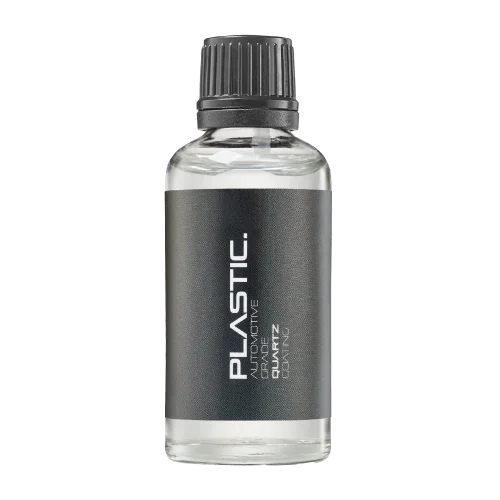 TRIM PROTECTIONPLASTICProtection for plastic surfaces.Application2/10Discover
 Dedicated care for the surfaces inside.
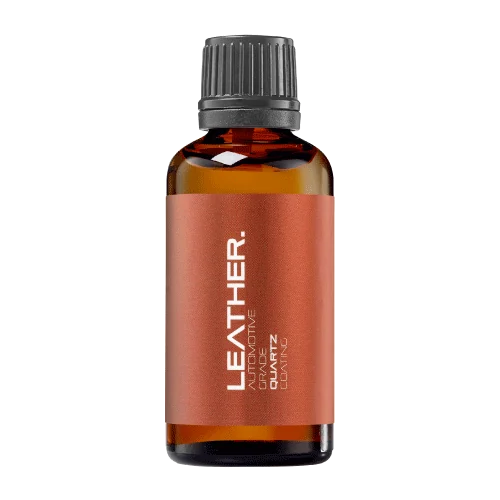 LEATHER SURFACESLEATHERDiscover NANOLAB leather protection.Application5/10Discover PLASTIC SURFACESPLASTICProtection for interior plastic surfaces.Application2/10Discover TEXTILE SURFACESFABRICExplore the latest fabric formulation.Application2/10Discover
 Spray protection, maintenance and upcoming wash products.
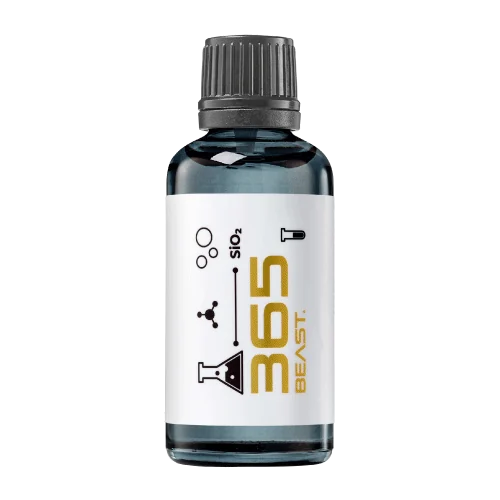 MAINTENANCEBEAST 365Explore the BEAST maintenance range.Application4/10Discover
 Next in washing, cleaning & care.
Ceramic protection for boats and yachts.
An easy-to-apply ceramic coating with an established track record on boats and yachts around the world.
Results vary with surface preparation, exposure and maintenance.
Read 50 MARINE guides →Explore MARINE Application4/10Protection for the surfaces you live with.
A look at what we’re developing.
The next flagship of the MATRIX series.
From cutting and one-step correction to final finishing.
A wider range for professional vehicle care.
Taking shape alongside BEAST & MATRIX.
Practical guidance for your next coating project.
Explore all guides →
Clarify formulation, manufacturing, packaging and approval responsibilities before starting an OEM or ODM ceramic coating project.
Updated · NANOLAB Knowledge

OEM and ODM are useful conversation starters, but they do not tell you exactly who will develop, approve and support a ceramic coating. The same abbreviation can describe different arrangements between a brand and a manufacturer. A responsibility map is the practical document that turns the discussion into a workable project.
List the stages: defining the intended use, selecting or developing the formula, evaluating samples, approving packaging, approving instructions, manufacturing, releasing the batch and handling customer questions. Assign an owner and an approver to each stage. The owner completes the work; the approver confirms that the agreed requirement has been met.
Avoid leaving “documentation” as a single unnamed task. Technical instructions, safety documents, artwork and customer-facing descriptions have different purposes. Identify who supplies the source information and who checks the final versions for the intended market.
A manufacturer may approve the technical description of the liquid while the brand approves graphic design. Neither approval alone establishes that the finished pack is complete. The final review needs the actual formula reference, bottle, label, outer packaging and instructions together.
Use artwork handoff guidance to control the print file, and maintain a separate technical approval record. When someone proposes a last-minute wording change, it should be clear whether that changes only layout or creates a new product claim requiring review.
Agree which changes require notification, a revised sample or a fresh approval. These might include a formulation revision, a different closure, a new pack size or a change to application instructions. The point is not to freeze every detail forever; it is to prevent an unreviewed substitution from reaching customers.
For a small launch, a simple table with stage, owner, approver, document reference and status can be enough. Include a named contact for unresolved questions so that silence is never treated as approval.
Imagine a distributor reports that several bottles arrived leaking. Can the team identify the affected batch, the closure specification, the filling record and the recipient orders? Who decides whether stock is held while the concern is investigated? Walking through this example exposes gaps before a real incident.
Connect the responsibility map to the OEM quality-control programme. Then discuss the proposed scope through NANOLAB private label and OEM. Request confirmation of the actual services and approvals included rather than relying on the abbreviation in a proposal title.
Prepare a clear artwork handoff for private label coatings with product identity, version control, readable instructions and packaging checks.

Define sample approval, batch traceability and application checks so a coating programme can maintain consistency from evaluation to supplied product.

 How to Request a Useful Ceramic Coating Manufacturing Quote