
IN DEVELOPMENT / MATRIX SERIES
MATRIX ELITE P7020
The next flagship of the MATRIX series.
75%Solids content
Specialist chemistry. Expert application.
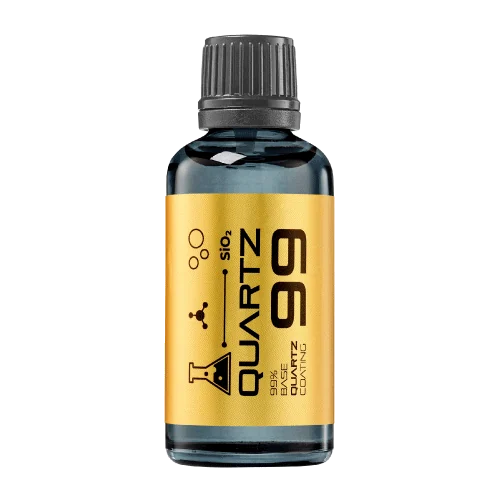 QUARTZ99 / CERAMIC BASE COAT
The foundation of your coating system.
A layerable quartz base coat designed for mechanical protection. Pair it with a suitable top coat to create the final finish.
For application by NANOLAB certified installers only.
Extended working time. A coating for the way you work.
 P5012MATRIX PRORefined protection for glossy finishes.Application1/10Discover P503GMATRIX GRAPHENEVersatile protection for gloss and matte finishes.Application1/10Discover P303MATRIX LITEFor efficient, high-volume detailing.Application1/10Discover
 Explore the BEAST family of ceramic coatings.
Find the coating for each exterior surface.
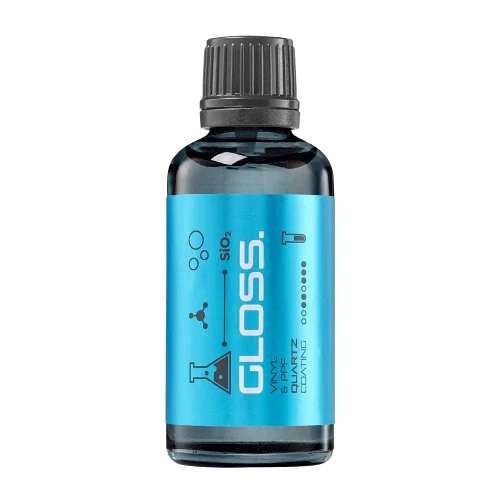 PPF & VINYLGLOSSProtection for glossy films and wraps.Application3/10Discover
 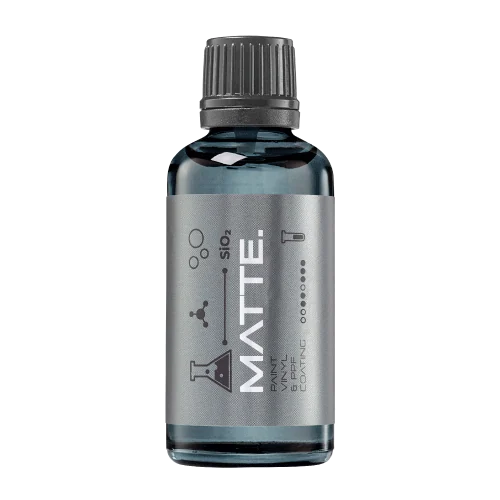 MATTE & SATINMATTEProtection that respects the finish.Application3/10Discover
 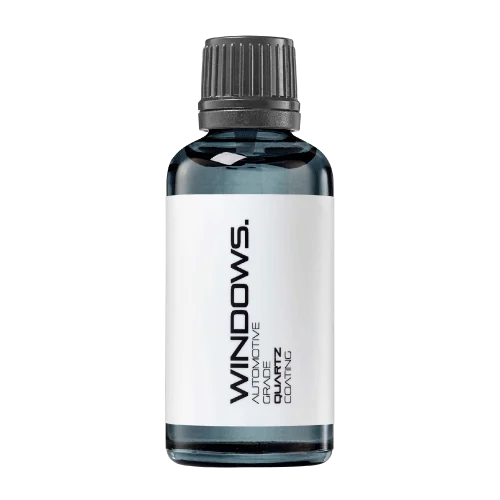 GLASSWINDOWSExplore dedicated glass protection.Application3/10Discover
 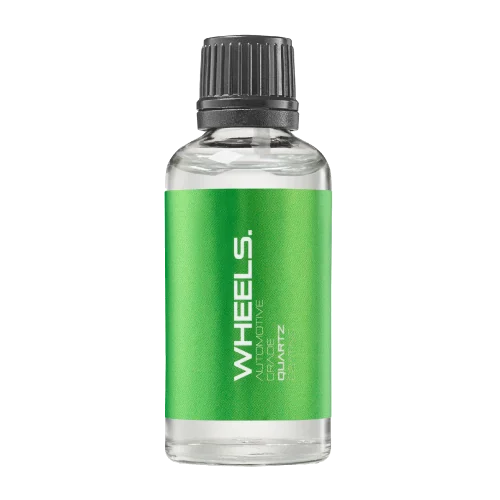 WHEEL PROTECTIONWHEELSA dedicated coating for your wheels.Application2/10Discover
 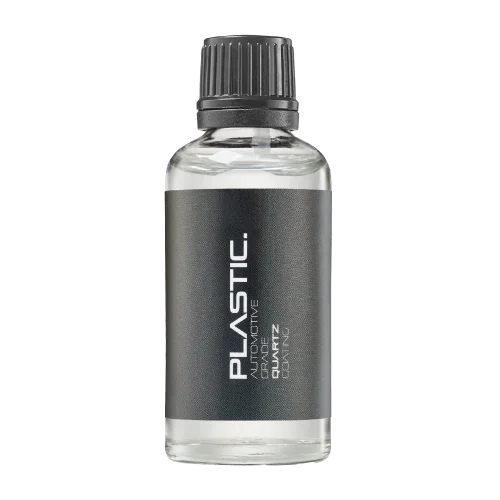 TRIM PROTECTIONPLASTICProtection for plastic surfaces.Application2/10Discover
 Dedicated care for the surfaces inside.
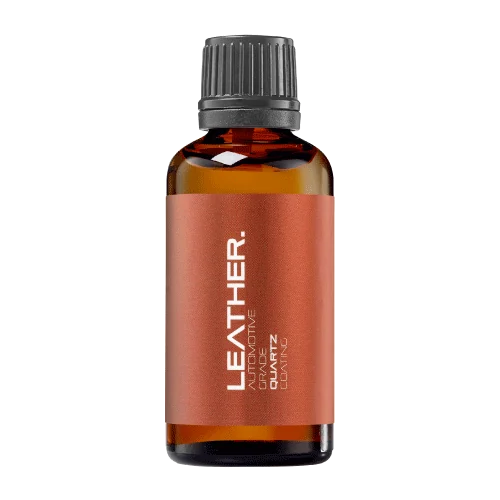 LEATHER SURFACESLEATHERDiscover NANOLAB leather protection.Application5/10Discover PLASTIC SURFACESPLASTICProtection for interior plastic surfaces.Application2/10Discover TEXTILE SURFACESFABRICExplore the latest fabric formulation.Application2/10Discover
 Spray protection, maintenance and upcoming wash products.
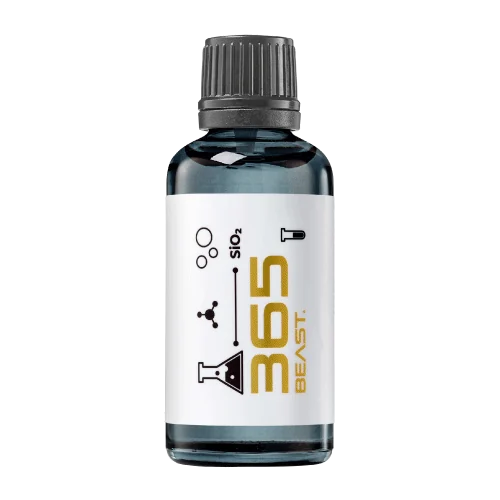 MAINTENANCEBEAST 365Explore the BEAST maintenance range.Application4/10Discover
 Next in washing, cleaning & care.
Ceramic protection for boats and yachts.
An easy-to-apply ceramic coating with an established track record on boats and yachts around the world.
Results vary with surface preparation, exposure and maintenance.
Read 50 MARINE guides →Explore MARINE Application4/10Protection for the surfaces you live with.
A look at what we’re developing.
The next flagship of the MATRIX series.
From cutting and one-step correction to final finishing.
A wider range for professional vehicle care.
Taking shape alongside BEAST & MATRIX.
Practical guidance for your next coating project.
Explore all guides →
Understand the practical differences between ready formulations, custom development and branding when planning your own ceramic coating range.
Updated · NANOLAB Knowledge
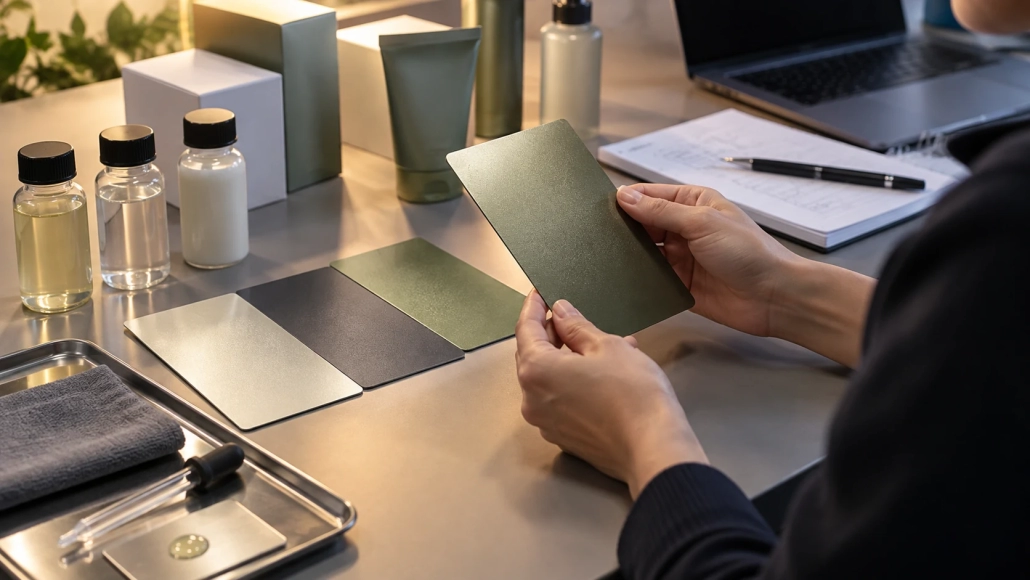
Private label and white label are not reliable specifications on their own. Different suppliers use the terms differently. One may mean an existing formula in your packaging; another may include formula adjustments, exclusive supply arrangements or development work. Define the deliverables in writing before comparing proposals.
There are several separate decisions: the liquid formulation, the product name, the packaging, the instructions and the commercial arrangement. A branded bottle does not necessarily contain a unique formula. Conversely, a custom formula does not automatically come with exclusive rights, a specific launch timetable or finished retail packaging.
Ask the supplier to identify which elements are standard and which will be developed for your project. Keep the distinction visible in your product brief so that later artwork and sales material do not imply something that was never agreed.
An existing formulation may be appropriate when its approved use and application process already fit the customer. The evaluation then focuses on sample performance, consistent supply, packaging and instructions. You still need to verify compatibility and establish a support process; “ready-made” should not mean untested in your own workflow.
For example, a detail shop adding a branded clear-coat product may value a familiar application process more than a new ingredient story. The brand can differentiate through training, clear instructions and dependable aftercare without inventing technical claims.
A genuine unmet requirement can justify a development conversation. Describe the problem in observable terms: difficulty levelling within the permitted conditions, an unsuitable finish change or a packaging constraint. Avoid starting with a marketing number and asking the manufacturer to reverse-engineer a promise around it.
Custom work usually introduces additional evaluation and approval steps. Ask who owns the specification, how revisions are recorded, and what triggers a new trial. Do not assume the first sample represents a production-ready product.
Bring these answers into a sample approval record. That record is more useful than debating labels. Discuss the desired supply model with NANOLAB using the customer problem, proposed volume and packaging needs as the starting point.
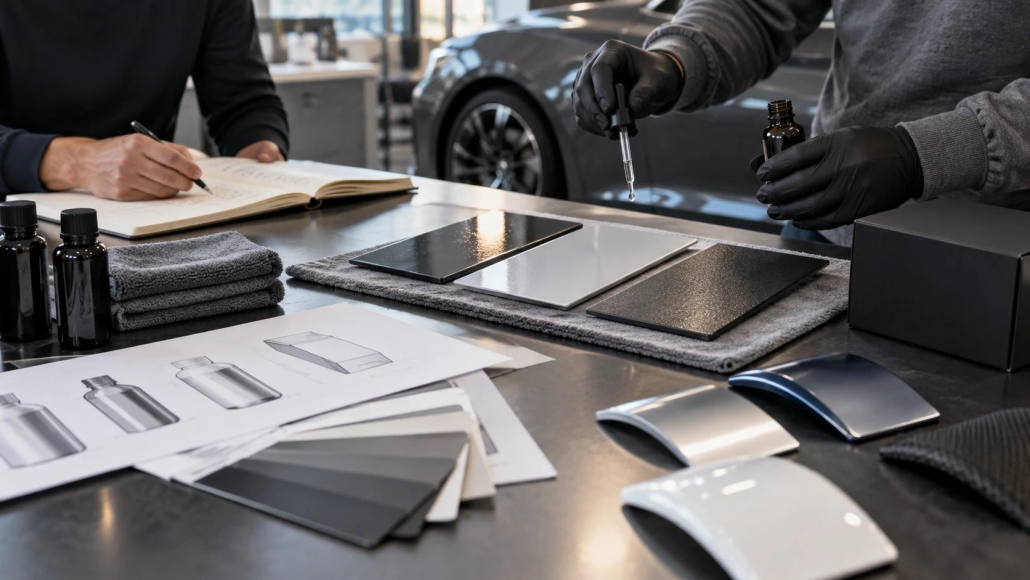
Define the users, surfaces, application workflow and packaging requirements for a private label ceramic coating project with NANOLAB.
Create a clear private label sample approval record linking the selected coating, test conditions, packaging and unresolved questions.

 OEM and ODM Coating Projects: Define the Responsibilities