
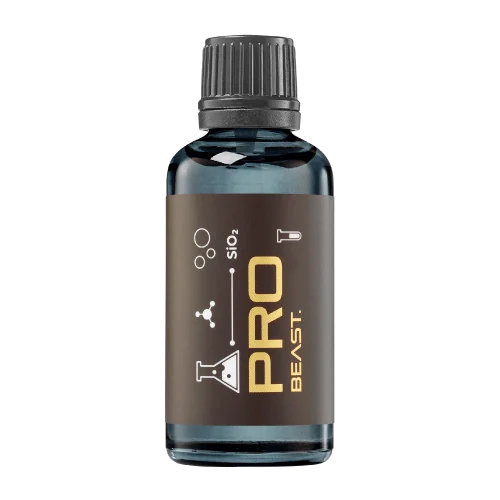
IN DEVELOPMENT / MATRIX SERIES
MATRIX ELITE P7020
The next flagship of the MATRIX series.
75%Solids content
Specialist chemistry. Expert application.
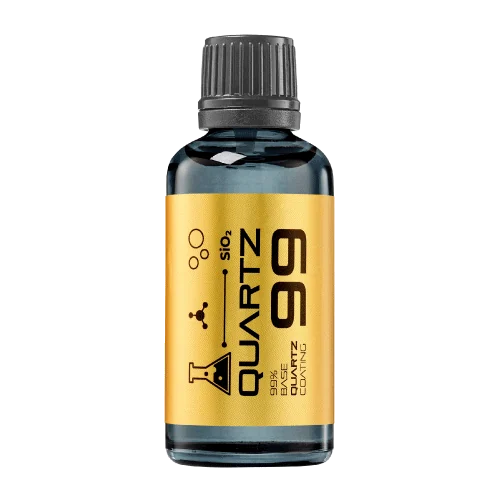 QUARTZ99 / CERAMIC BASE COAT
The foundation of your coating system.
A layerable quartz base coat designed for mechanical protection. Pair it with a suitable top coat to create the final finish.
For application by NANOLAB certified installers only.
Extended working time. A coating for the way you work.
 P5012MATRIX PRORefined protection for glossy finishes.Application1/10Discover P503GMATRIX GRAPHENEVersatile protection for gloss and matte finishes.Application1/10Discover P303MATRIX LITEFor efficient, high-volume detailing.Application1/10Discover
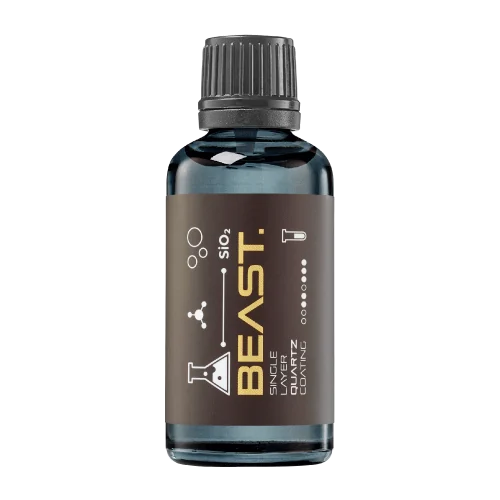
 Explore the BEAST family of ceramic coatings.
Find the coating for each exterior surface.
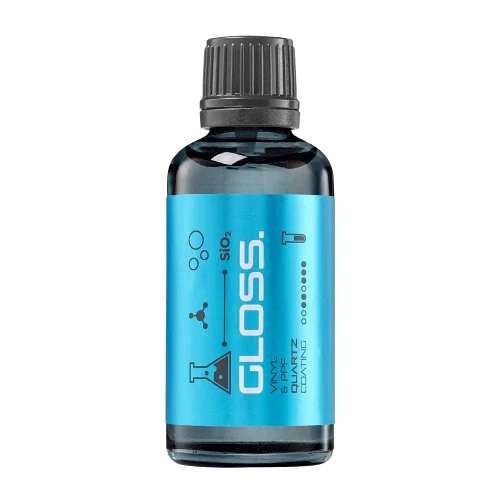 PPF & VINYLGLOSSProtection for glossy films and wraps.Application3/10Discover
 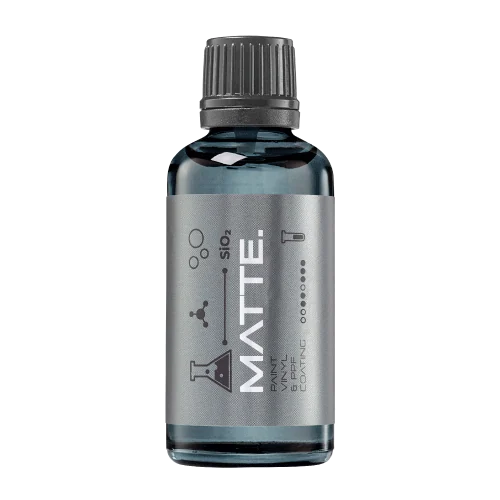 MATTE & SATINMATTEProtection that respects the finish.Application3/10Discover
 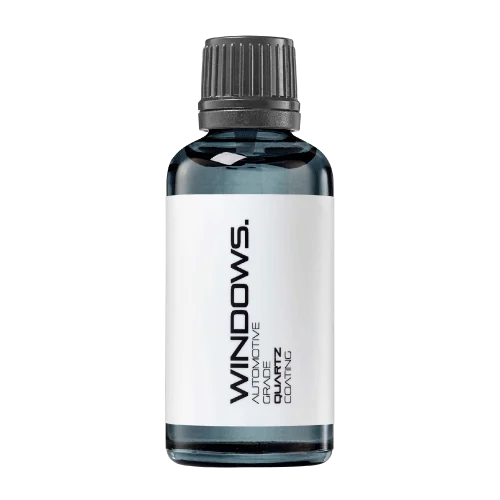 GLASSWINDOWSExplore dedicated glass protection.Application3/10Discover
 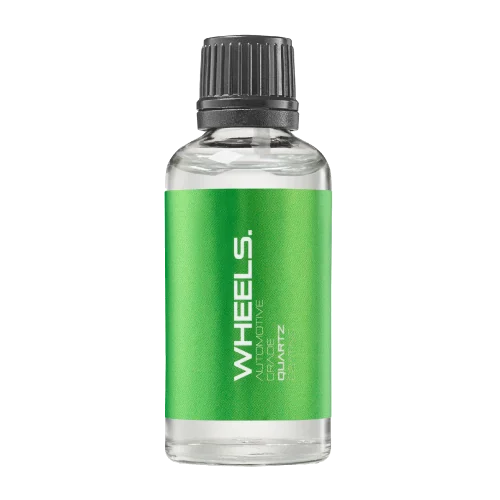 WHEEL PROTECTIONWHEELSA dedicated coating for your wheels.Application2/10Discover
 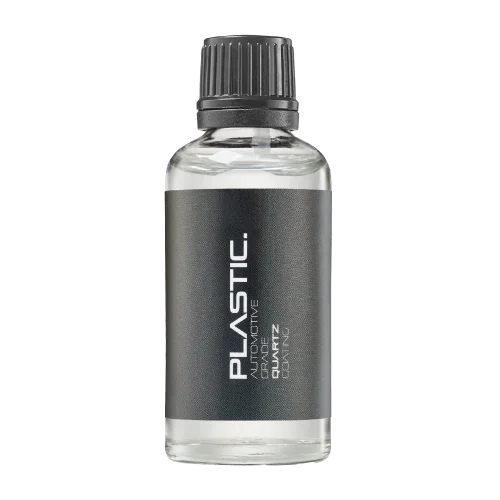 TRIM PROTECTIONPLASTICProtection for plastic surfaces.Application2/10Discover
 Dedicated care for the surfaces inside.
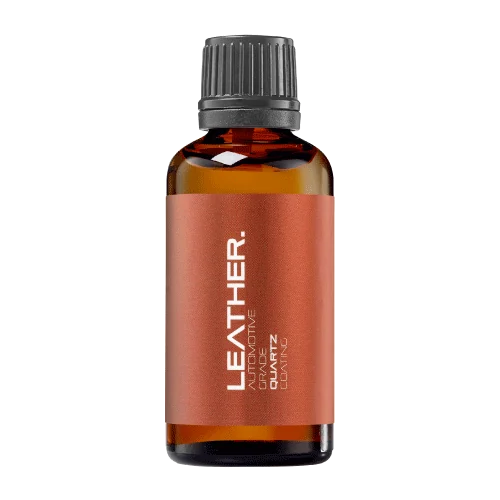 LEATHER SURFACESLEATHERDiscover NANOLAB leather protection.Application5/10Discover PLASTIC SURFACESPLASTICProtection for interior plastic surfaces.Application2/10Discover TEXTILE SURFACESFABRICExplore the latest fabric formulation.Application2/10Discover
 Spray protection, maintenance and upcoming wash products.
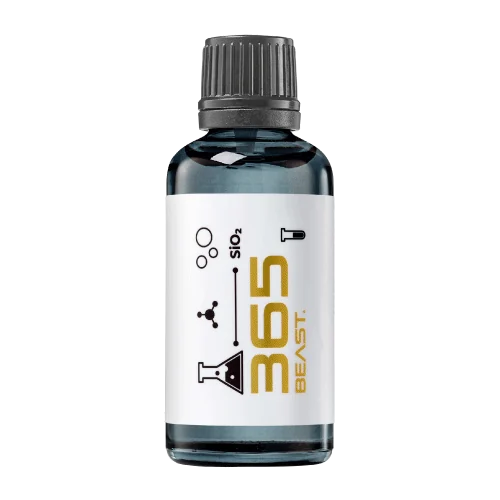 MAINTENANCEBEAST 365Explore the BEAST maintenance range.Application4/10Discover
 Next in washing, cleaning & care.
Ceramic protection for boats and yachts.
An easy-to-apply ceramic coating with an established track record on boats and yachts around the world.
Results vary with surface preparation, exposure and maintenance.
Read 50 MARINE guides →Explore MARINE Application4/10Protection for the surfaces you live with.
A look at what we’re developing.
The next flagship of the MATRIX series.
From cutting and one-step correction to final finishing.
A wider range for professional vehicle care.
Taking shape alongside BEAST & MATRIX.
Practical guidance for your next coating project.
Explore all guides →
Compare manufacturers by sample consistency, documentation, production scope and support before committing to a ceramic coating supply programme.
Updated · NANOLAB Knowledge
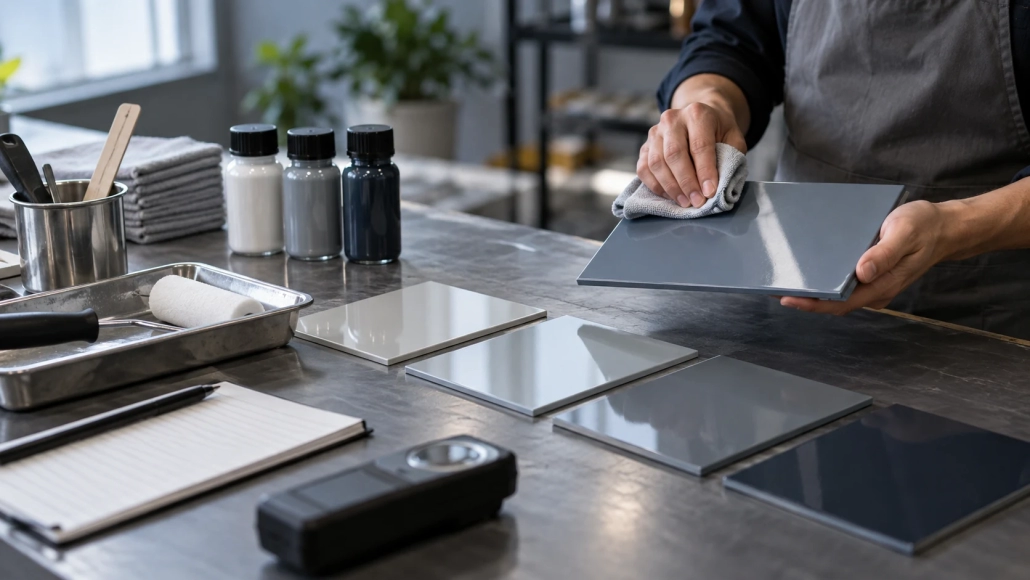
Choosing a ceramic coating manufacturer is a decision about repeatable supply as well as the finish on one demonstration panel. A useful evaluation connects the formula, the people applying it and the process that will deliver the same approved product again. Start with evidence you can compare, then use a small, well-documented trial to resolve uncertainty.
Ask which activities the supplier performs: formulation, blending, filling, labelling, packaging and technical support. A business may offer several of these without handling every stage itself. What matters is knowing who controls each stage and who answers if a delivery differs from the approved sample.
Specify the surfaces and users before discussing a range. A coating for glossy automotive clear coat does not establish suitability for matte paint, film or leather. A concise product brief helps both parties discuss the same job.
Do not treat a photograph of water beads, an unexplained hardness number or a long warranty headline as a substitute for this information. Each describes only part of the decision, and sometimes none of the practical work your customers will perform.
Use representative panels and the actual installers who will evaluate the product. Keep preparation and inspection conditions consistent. Compare levelling effort, visibility of residue, final appearance and documented aftercare requirements separately. If the intended customer works in a different environment, repeat the evaluation there within the approved application limits.
The sample scorecard provides a starting structure. Add a decision column: accepted, clarification required or retest. This prevents a vague preference such as “felt premium” from becoming an unsupported approval.
Before committing, agree what will identify the approved product on a future purchase order. Confirm how a retained sample, batch reference and document revision will be used to investigate a complaint. Ask what information the manufacturer needs for replenishment and which lead-time assumptions remain provisional.
NANOLAB’s private label and OEM service is the route for discussing formulation and supply requirements. Send the proposed use, pack format and evaluation findings together. A manufacturer can give a more useful answer to a defined requirement than to a request for the “strongest coating”.
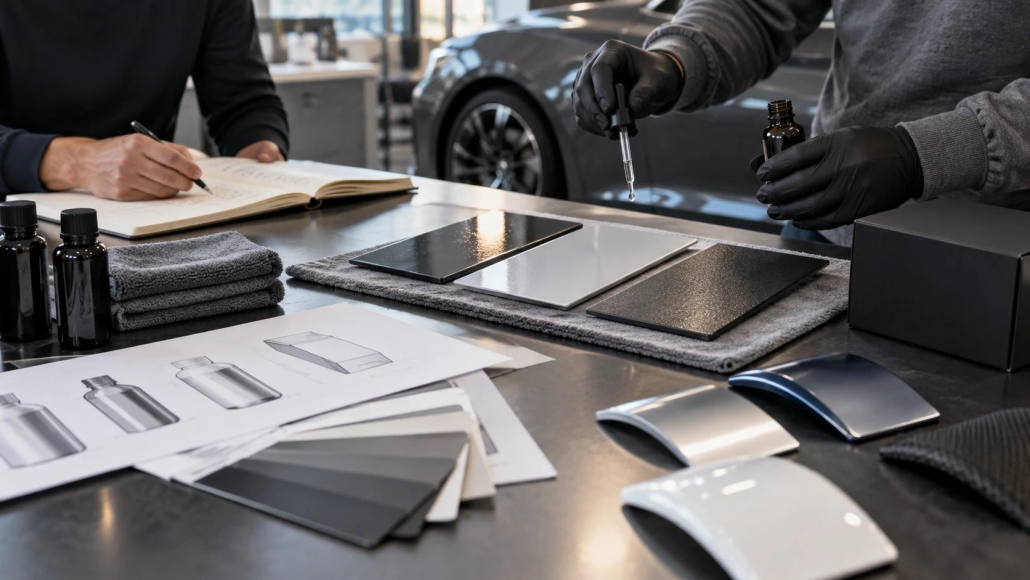
Define the users, surfaces, application workflow and packaging requirements for a private label ceramic coating project with NANOLAB.
Compare private label coating samples using consistent preparation, application notes, finish checks and aftercare observations.

 Private Label vs White Label Ceramic Coatings