






A full polishing range.
From cutting and one-step correction to final finishing.
Specialist chemistry. Expert application.
 QUARTZ99 / CERAMIC BASE COAT
The foundation of your coating system.
A layerable quartz base coat designed for mechanical protection. Pair it with a suitable top coat to create the final finish.
For application by NANOLAB certified installers only.
Four formulas. Extended working time. Find the coating for your finish.
Explore the BEAST family of ceramic coatings.
Find the coating for each exterior surface.
 PPF & VINYLGLOSSProtection for glossy films and wraps.Discover
 MATTE & SATINMATTEProtection that respects the finish.Discover
 GLASSWINDOWSExplore dedicated glass protection.Discover
 WHEEL PROTECTIONWHEELSA dedicated coating for your wheels.Discover
 TRIM PROTECTIONPLASTICProtection for plastic surfaces.Discover
Dedicated care for the surfaces inside.
 LEATHER SURFACESLEATHERDiscover NANOLAB leather protection.Discover PLASTIC SURFACESPLASTICProtection for interior plastic surfaces.Discover TEXTILE SURFACESFABRICExplore the latest fabric formulation.Discover
Spray protection, maintenance and upcoming wash products.
 MAINTENANCEBEAST 365Explore the BEAST maintenance range.Discover
Next in washing, cleaning & care.
Ceramic protection for boats and yachts.
An easy-to-apply ceramic coating with an established track record on boats and yachts around the world.
Results vary with surface preparation, exposure and maintenance.
Read 50 MARINE guides →Explore MARINEProtection for the surfaces you live with.
A look at what we’re developing.
From cutting and one-step correction to final finishing.
A wider range for professional vehicle care.
Taking shape alongside BEAST & MATRIX.
Practical guidance for your next coating project.
Explore all guides →
Plan repeat samples and a clear trial objective before drawing broad conclusions from ceramic coating tests.
Updated · NANOLAB Knowledge
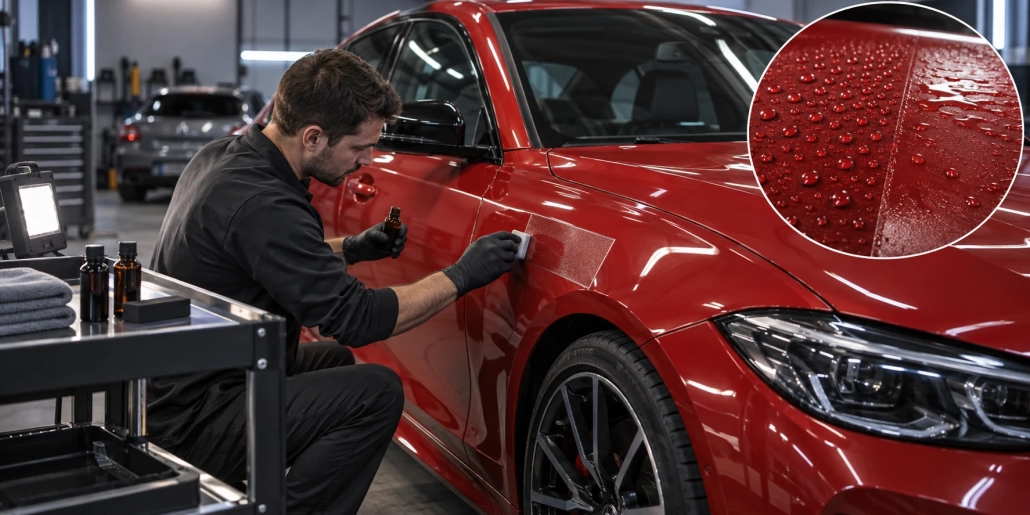
One coated panel can reveal an application problem or demonstrate a process, but it cannot describe every source of variation. The number of samples needed for a ceramic coating trial depends on the decision, expected variability and consequence of being wrong.
Distinguish a screening test from a durability claim or a production acceptance study. A workshop comparing handling may need a different design from a brand supporting a quantified performance statement. Seek suitable statistical expertise when the result will support a formal claim.
Write the outcome and acceptance criteria before testing. ‘Looks good’ is difficult to compare unless the viewing conditions and acceptable appearance are described. Include the substrate and intended user group in the question.
Use independent samples where possible and record differences in batch, installer or surface rather than mixing them invisibly. Repeated readings on one spot are not the same as multiple independently prepared panels.
For example, three measurements on a single bonnet mainly describe that bonnet’s measured locations. They do not automatically represent three separate installations. Keep those levels of evidence distinct in the report.
Report the full observed range and any departures from the plan. If the trial is too small to support a broad conclusion, use it to design the next test rather than stretching the wording. Do not discard an inconvenient sample without recording the reason.
Discuss relevant evaluation requirements with NANOLAB Private Label and OEM. A good sample plan is proportionate to its purpose and makes the limits of the evidence visible before a product decision or marketing claim is made.
Select and document test panels that support repeatable coating trials without confusing differences in paint, preparation or panel history.
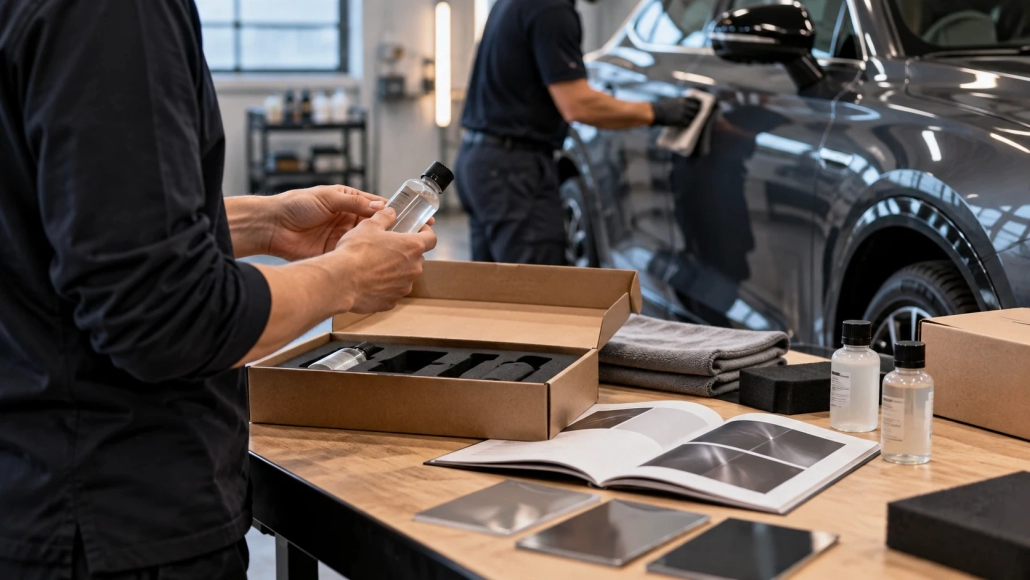
Set repeatable inspection intervals and record exposure changes during a ceramic coating field trial.

Compare cleaning effort with a defined cleanliness endpoint, consistent tools and separate timing for each maintenance stage.

 Ceramic Coating Trials: Setting an Inspection Schedule