






A full polishing range.
From cutting and one-step correction to final finishing.
Specialist chemistry. Expert application.
 QUARTZ99 / CERAMIC BASE COAT
The foundation of your coating system.
A layerable quartz base coat designed for mechanical protection. Pair it with a suitable top coat to create the final finish.
For application by NANOLAB certified installers only.
Four formulas. Extended working time. Find the coating for your finish.
Explore the BEAST family of ceramic coatings.
Find the coating for each exterior surface.
 PPF & VINYLGLOSSProtection for glossy films and wraps.Discover
 MATTE & SATINMATTEProtection that respects the finish.Discover
 GLASSWINDOWSExplore dedicated glass protection.Discover
 WHEEL PROTECTIONWHEELSA dedicated coating for your wheels.Discover
 TRIM PROTECTIONPLASTICProtection for plastic surfaces.Discover
Dedicated care for the surfaces inside.
 LEATHER SURFACESLEATHERDiscover NANOLAB leather protection.Discover PLASTIC SURFACESPLASTICProtection for interior plastic surfaces.Discover TEXTILE SURFACESFABRICExplore the latest fabric formulation.Discover
Spray protection, maintenance and upcoming wash products.
 MAINTENANCEBEAST 365Explore the BEAST maintenance range.Discover
Next in washing, cleaning & care.
Ceramic protection for boats and yachts.
An easy-to-apply ceramic coating with an established track record on boats and yachts around the world.
Results vary with surface preparation, exposure and maintenance.
Read 50 MARINE guides →Explore MARINEProtection for the surfaces you live with.
A look at what we’re developing.
From cutting and one-step correction to final finishing.
A wider range for professional vehicle care.
Taking shape alongside BEAST & MATRIX.
Practical guidance for your next coating project.
Explore all guides →
Compare cleaning effort with a defined cleanliness endpoint, consistent tools and separate timing for each maintenance stage.
Updated · NANOLAB Knowledge

Claims that ceramic coating makes cleaning easier are more useful when ‘easier’ is defined. A small workshop trial can measure cleaning time, but it needs comparable contamination and a consistent finish standard. Timing alone can reward an incomplete wash.
Define which surfaces must be clean and how they will be inspected. Separate active labour from waiting or product dwell time. Record pre-rinse, contact wash, targeted cleaning, rinsing and drying rather than reporting only one unexplained total.
Use comparable tools, products and operator instructions. Keep differences in vehicle size and starting contamination visible. Comparing a lightly dusty coated car with a heavily soiled uncoated vehicle does not isolate the effect of protection.
Note extra towel changes, repeat cleaning passes and unresolved deposits. Photograph the dry result under consistent conditions. If one process is faster but leaves residue, report that difference rather than calling it an unqualified improvement.
Repeat suitable comparisons and preserve the range of results. A single unusually easy wash can be an interesting observation without becoming a universal labour-saving percentage.
If drying accounts for most of the variation, improve that stage before changing the complete coating system. If contamination type drives the result, adjust the maintenance interval or parking advice. Add products such as NANOLAB RECOAT only when appropriate; a trial should record their use because they can change the surface being evaluated.
Present the result as a defined workshop observation, including its limits. That gives customers and staff a useful expectation without implying that every coated vehicle will save the same number of minutes.
Review preparation records, finish inspection and handover evidence to assess coating workmanship beyond a single water-beading demonstration.
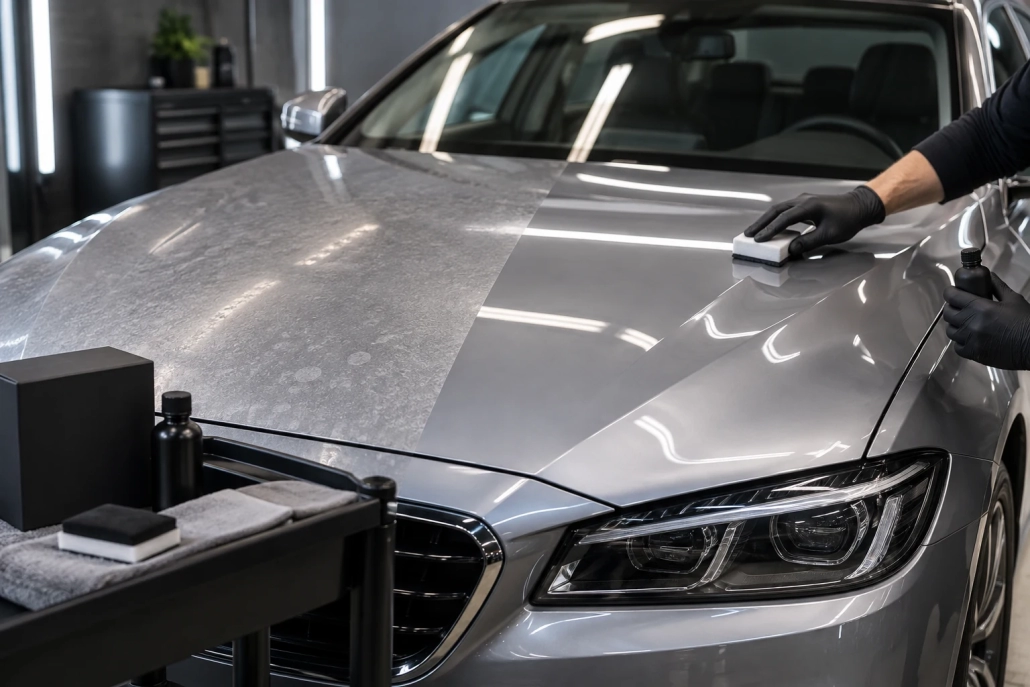
Make water-behaviour photographs more informative by controlling panel angle, water application and camera settings.
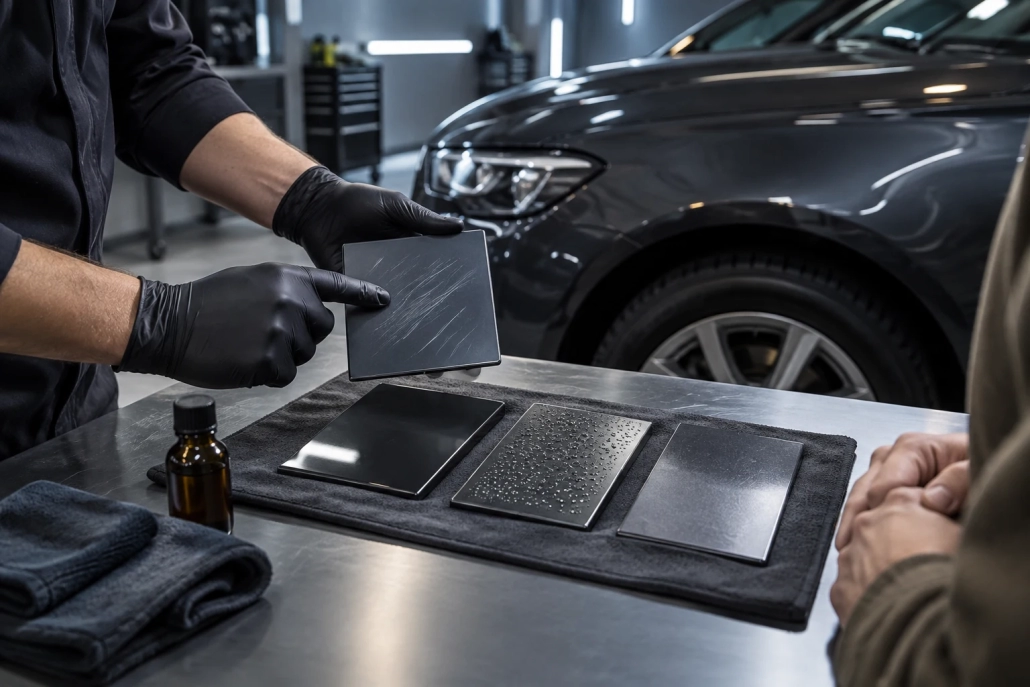
Investigate an unusual coating test result with a documented process instead of automatically deleting it or treating it as definitive.

 Ceramic Coating Photos: Keeping Drop Size and Camera Angle Consistent