






A full polishing range.
From cutting and one-step correction to final finishing.
Specialist chemistry. Expert application.
 QUARTZ99 / CERAMIC BASE COAT
The foundation of your coating system.
A layerable quartz base coat designed for mechanical protection. Pair it with a suitable top coat to create the final finish.
For application by NANOLAB certified installers only.
Four formulas. Extended working time. Find the coating for your finish.
Explore the BEAST family of ceramic coatings.
Find the coating for each exterior surface.
 PPF & VINYLGLOSSProtection for glossy films and wraps.Discover
 MATTE & SATINMATTEProtection that respects the finish.Discover
 GLASSWINDOWSExplore dedicated glass protection.Discover
 WHEEL PROTECTIONWHEELSA dedicated coating for your wheels.Discover
 TRIM PROTECTIONPLASTICProtection for plastic surfaces.Discover
Dedicated care for the surfaces inside.
 LEATHER SURFACESLEATHERDiscover NANOLAB leather protection.Discover PLASTIC SURFACESPLASTICProtection for interior plastic surfaces.Discover TEXTILE SURFACESFABRICExplore the latest fabric formulation.Discover
Spray protection, maintenance and upcoming wash products.
 MAINTENANCEBEAST 365Explore the BEAST maintenance range.Discover
Next in washing, cleaning & care.
Ceramic protection for boats and yachts.
An easy-to-apply ceramic coating with an established track record on boats and yachts around the world.
Results vary with surface preparation, exposure and maintenance.
Read 50 MARINE guides →Explore MARINEProtection for the surfaces you live with.
A look at what we’re developing.
From cutting and one-step correction to final finishing.
A wider range for professional vehicle care.
Taking shape alongside BEAST & MATRIX.
Practical guidance for your next coating project.
Explore all guides →
Set repeatable inspection intervals and record exposure changes during a ceramic coating field trial.
Updated · NANOLAB Knowledge
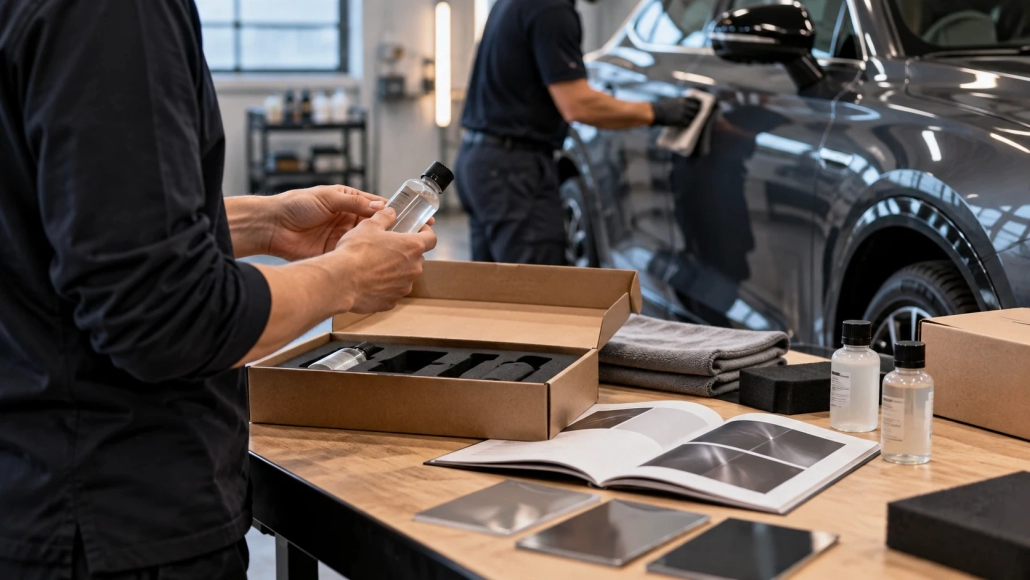
A field trial becomes more useful when inspections follow a plan. Looking at a ceramic coating only when it appears unusually good or poor introduces a selection problem. Set the schedule and observations before the first vehicle enters service.
Record surface condition, preparation, coating, application date and required curing stage. Photograph the accepted finish under repeatable conditions. Include the expected wash routine, parking situation and vehicle use so later changes can be interpreted.
Choose inspection intervals that fit the trial’s purpose and practical access. Calendar time alone may not describe exposure; record relevant use and maintenance events alongside each visit. Do not promise a universal schedule suitable for every coating study.
Decide whether observations occur before cleaning, after a defined wash or both. Dirty-surface water behaviour and clean-surface behaviour should not be combined without explanation. Use the same observation method where possible and document unavoidable changes.
Record exceptional events such as body repairs, an unknown cleaner or extended storage. Those events do not make the whole trial worthless, but they may limit which comparisons remain valid.
Mark missed visits as missing rather than inventing intermediate results. If a concern arises between planned inspections, add an event record without replacing the scheduled process. Keep photographs tied to dates and specific locations.
For commercial evaluation, coordinate the plan with NANOLAB Private Label and OEM. The final report should explain what was observed, when it was observed and which exposure details remain uncertain, giving a reader enough context to judge the outcome.
Design a coating field trial with recorded vehicles, use patterns, care routines and inspection points that produce interpretable feedback.

Compare cleaning effort with a defined cleanliness endpoint, consistent tools and separate timing for each maintenance stage.
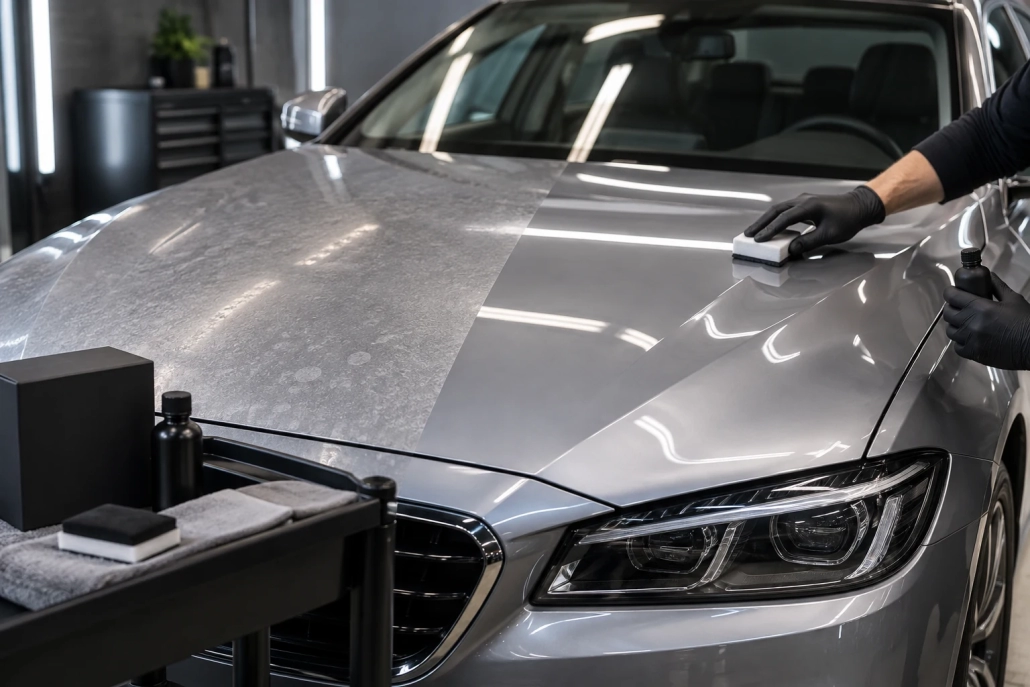
Make water-behaviour photographs more informative by controlling panel angle, water application and camera settings.

 Ceramic Coating Cleaning-Time Trials for Detailers