






A full polishing range.
From cutting and one-step correction to final finishing.
Specialist chemistry. Expert application.
 QUARTZ99 / CERAMIC BASE COAT
The foundation of your coating system.
A layerable quartz base coat designed for mechanical protection. Pair it with a suitable top coat to create the final finish.
For application by NANOLAB certified installers only.
Four formulas. Extended working time. Find the coating for your finish.
Explore the BEAST family of ceramic coatings.
Find the coating for each exterior surface.
 PPF & VINYLGLOSSProtection for glossy films and wraps.Discover
 MATTE & SATINMATTEProtection that respects the finish.Discover
 GLASSWINDOWSExplore dedicated glass protection.Discover
 WHEEL PROTECTIONWHEELSA dedicated coating for your wheels.Discover
 TRIM PROTECTIONPLASTICProtection for plastic surfaces.Discover
Dedicated care for the surfaces inside.
 LEATHER SURFACESLEATHERDiscover NANOLAB leather protection.Discover PLASTIC SURFACESPLASTICProtection for interior plastic surfaces.Discover TEXTILE SURFACESFABRICExplore the latest fabric formulation.Discover
Spray protection, maintenance and upcoming wash products.
 MAINTENANCEBEAST 365Explore the BEAST maintenance range.Discover
Next in washing, cleaning & care.
Ceramic protection for boats and yachts.
An easy-to-apply ceramic coating with an established track record on boats and yachts around the world.
Results vary with surface preparation, exposure and maintenance.
Read 50 MARINE guides →Explore MARINEProtection for the surfaces you live with.
A look at what we’re developing.
From cutting and one-step correction to final finishing.
A wider range for professional vehicle care.
Taking shape alongside BEAST & MATRIX.
Practical guidance for your next coating project.
Explore all guides →
Approve formulation, artwork and package configuration as linked but distinct decisions so a private-label launch does not confuse one sign-off with another.
Updated · NANOLAB Knowledge
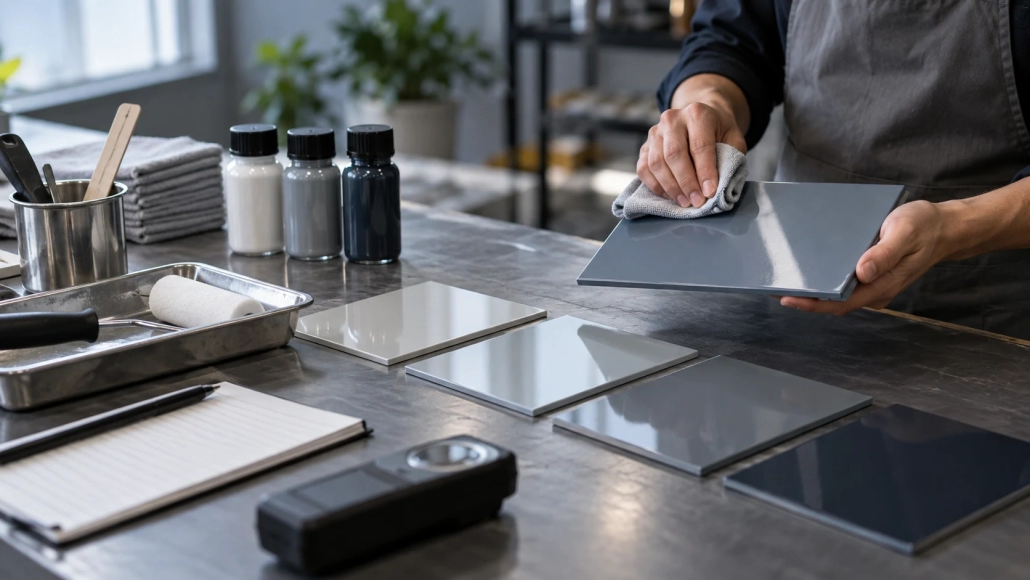
Approval of a coating sample does not automatically approve its label or final bottle. Each item answers a different question, and a launch needs all relevant decisions to converge on the same released version.
Assign an owner and version identifier to each object. A generic email saying “approved” should refer to an identifiable item.
A formula revision may affect instructions or documentation. A new closure may affect dosing. A translated label may introduce a stronger claim than the approved original. Record these links so a change triggers the appropriate review.
For each item, store the approved file or specification, reviewer, date and any conditions. Keep unresolved points visible. Do not treat a marketing mock-up as a production artwork master or a successful sample demonstration as full package compatibility evidence.
Before routine dispatch, compare an actual finished pack with the release record. Confirm product identity, label version, batch code and included instructions. For example, an approved formula in an old carton is still an inconsistent launch configuration. This final reconciliation catches version mismatches that separate department approvals can otherwise miss.
Discuss your private-label coating project. For application and care, use the current instructions for the exact product.
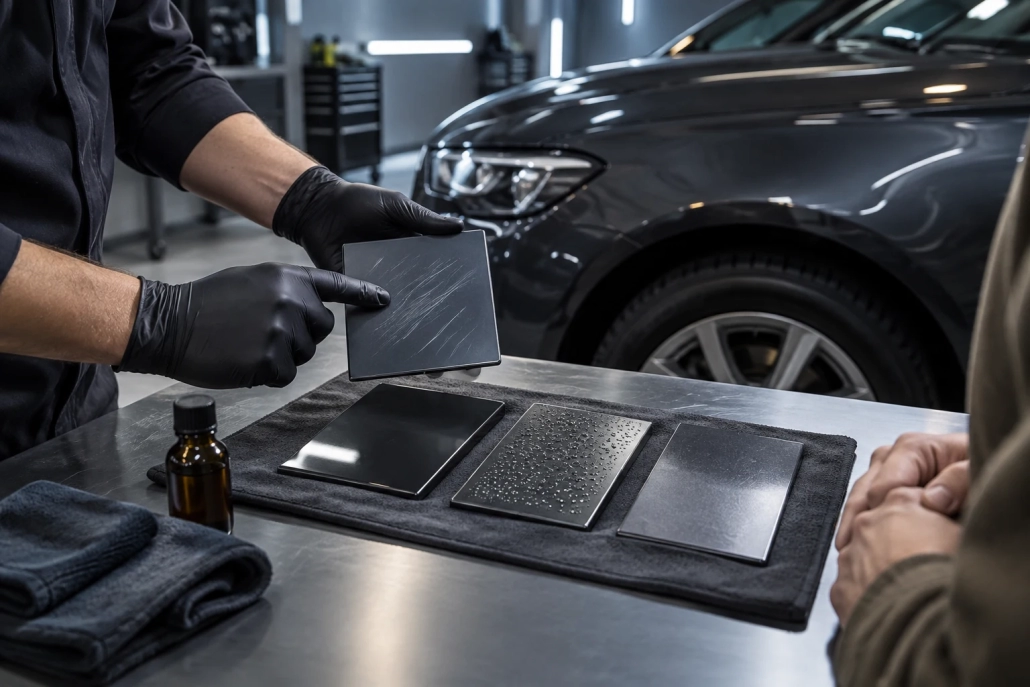
Keep coating performance statements connected to their product version, test method and limitations before using them in sales material.
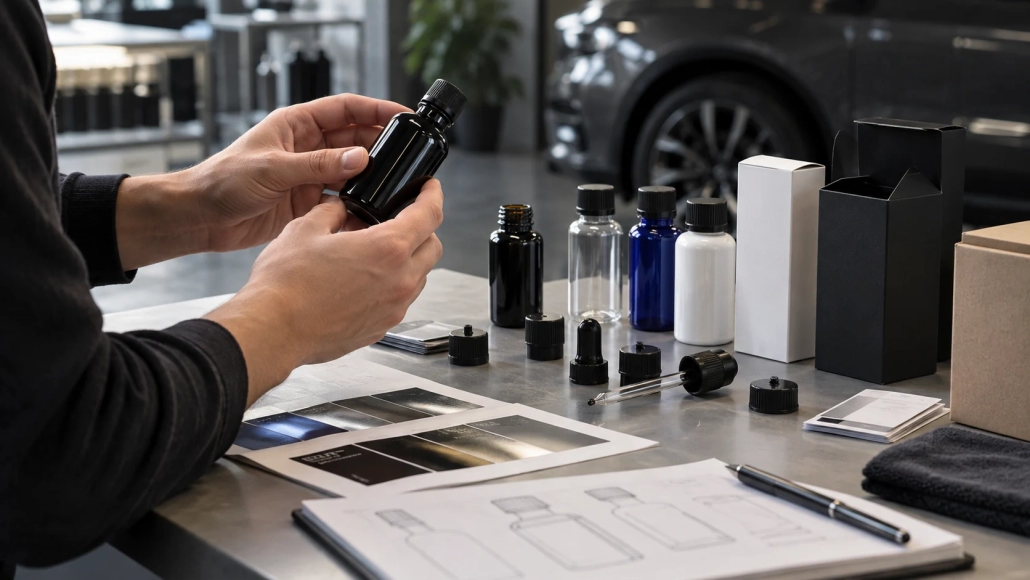
Review bottles, closures, labels and filling arrangements together before approving private label ceramic coating packaging.
Agree test methods, raw data, report content and usage rights before commissioning a third-party coating evaluation.
 Commissioning a Third-Party Coating Test: Agree Data Ownership and Delivera...