






A full polishing range.
From cutting and one-step correction to final finishing.
Specialist chemistry. Expert application.
 QUARTZ99 / CERAMIC BASE COAT
The foundation of your coating system.
A layerable quartz base coat designed for mechanical protection. Pair it with a suitable top coat to create the final finish.
For application by NANOLAB certified installers only.
Four formulas. Extended working time. Find the coating for your finish.
Explore the BEAST family of ceramic coatings.
Find the coating for each exterior surface.
 PPF & VINYLGLOSSProtection for glossy films and wraps.Discover
 MATTE & SATINMATTEProtection that respects the finish.Discover
 GLASSWINDOWSExplore dedicated glass protection.Discover
 WHEEL PROTECTIONWHEELSA dedicated coating for your wheels.Discover
 TRIM PROTECTIONPLASTICProtection for plastic surfaces.Discover
Dedicated care for the surfaces inside.
 LEATHER SURFACESLEATHERDiscover NANOLAB leather protection.Discover PLASTIC SURFACESPLASTICProtection for interior plastic surfaces.Discover TEXTILE SURFACESFABRICExplore the latest fabric formulation.Discover
Spray protection, maintenance and upcoming wash products.
 MAINTENANCEBEAST 365Explore the BEAST maintenance range.Discover
Next in washing, cleaning & care.
Ceramic protection for boats and yachts.
An easy-to-apply ceramic coating with an established track record on boats and yachts around the world.
Results vary with surface preparation, exposure and maintenance.
Read 50 MARINE guides →Explore MARINEProtection for the surfaces you live with.
A look at what we’re developing.
From cutting and one-step correction to final finishing.
A wider range for professional vehicle care.
Taking shape alongside BEAST & MATRIX.
Practical guidance for your next coating project.
Explore all guides →
Design retained samples around the questions they may need to answer, linking formulation, packaging and finished production batches.
Updated · NANOLAB Knowledge
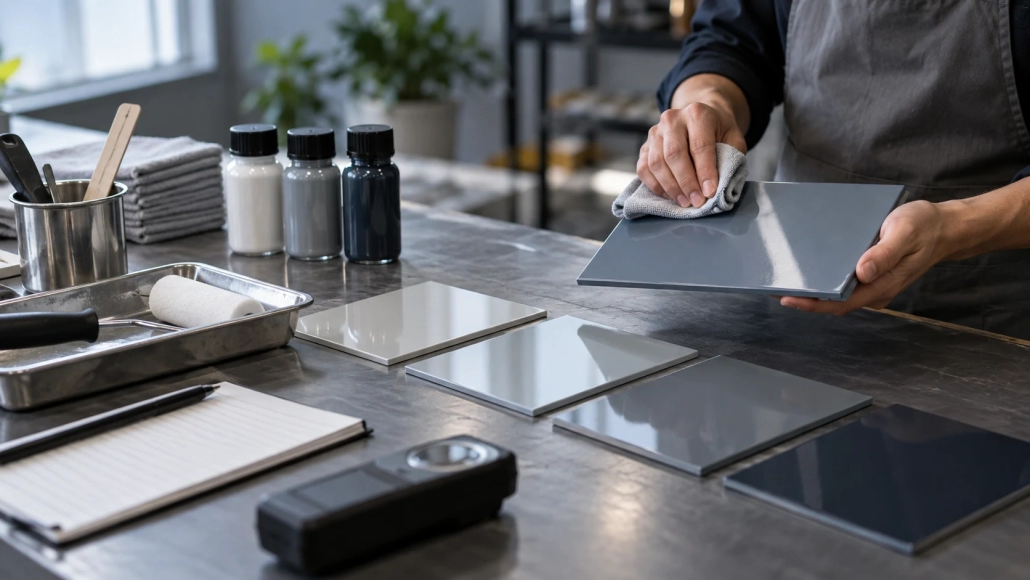
A retained sample is useful when its identity and storage history support the investigation. One unlabelled bottle cannot reliably represent a formulation batch, every pack size and all subsequent filling conditions.
Consider product quality, packaging compatibility, dispensing and label traceability. Decide which sample types are needed for each. The retention plan should be set by the responsible quality team and applicable requirements.
| Sample type | Potential use |
|---|---|
| Bulk formulation retain | Review the manufactured product before packaging |
| Finished pack retain | Review product-package interaction |
| Component reference | Identify the bottle, closure or label supplied |
| Approved comparison | Support a defined quality comparison |
Record quantity, batch, storage conditions, access and any opening or testing. An opened retain is no longer an untouched reference. Plan sufficient material for the intended analyses without prescribing an arbitrary universal retention period.
If a finished bottle changes but its bulk retain does not, packaging or differing storage remains worth investigating; the difference alone does not prove the cause. If all samples change, examine shared factors. Record which comparisons are valid and which are limited by history. The matrix should make those distinctions clear before anyone interprets a laboratory result.
Discuss your private-label coating project. For application and care, use the current instructions for the exact product.
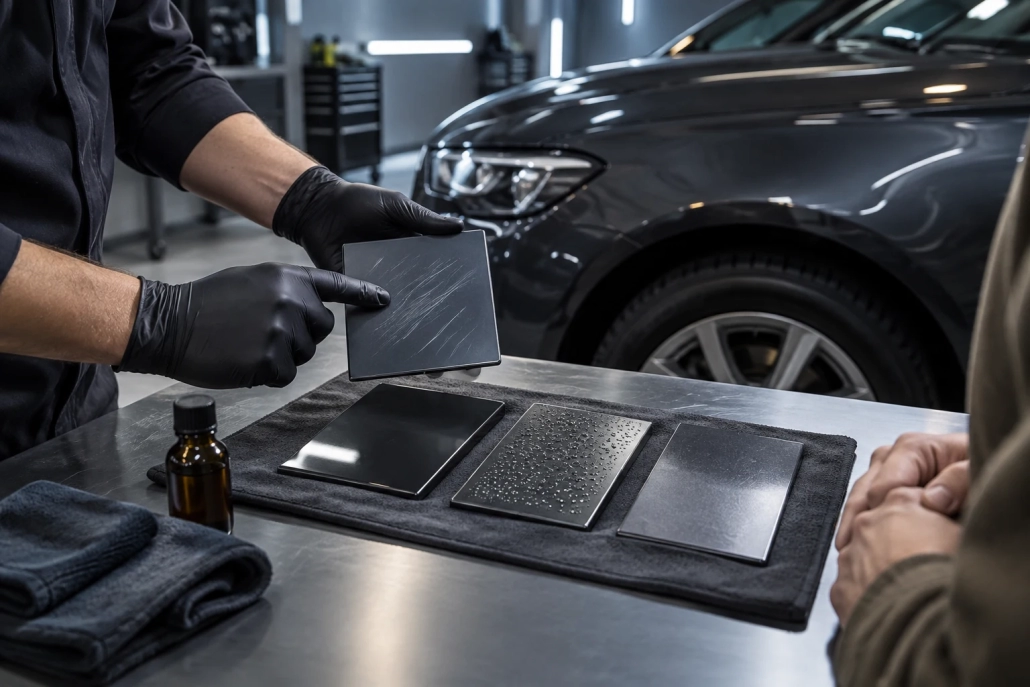
Keep coating performance statements connected to their product version, test method and limitations before using them in sales material.

Storage performance involves the complete product-package system. Testing liquid in a laboratory vessel may not qualify the commercial pack.
Approve formulation, artwork and package configuration as linked but distinct decisions so a private-label launch does not confuse one sign-off with another.
 Separating Formula Approval from Label and Packaging Approval