






A full polishing range.
From cutting and one-step correction to final finishing.
Specialist chemistry. Expert application.
 QUARTZ99 / CERAMIC BASE COAT
The foundation of your coating system.
A layerable quartz base coat designed for mechanical protection. Pair it with a suitable top coat to create the final finish.
For application by NANOLAB certified installers only.
Four formulas. Extended working time. Find the coating for your finish.
Explore the BEAST family of ceramic coatings.
Find the coating for each exterior surface.
 PPF & VINYLGLOSSProtection for glossy films and wraps.Discover
 MATTE & SATINMATTEProtection that respects the finish.Discover
 GLASSWINDOWSExplore dedicated glass protection.Discover
 WHEEL PROTECTIONWHEELSA dedicated coating for your wheels.Discover
 TRIM PROTECTIONPLASTICProtection for plastic surfaces.Discover
Dedicated care for the surfaces inside.
 LEATHER SURFACESLEATHERDiscover NANOLAB leather protection.Discover PLASTIC SURFACESPLASTICProtection for interior plastic surfaces.Discover TEXTILE SURFACESFABRICExplore the latest fabric formulation.Discover
Spray protection, maintenance and upcoming wash products.
 MAINTENANCEBEAST 365Explore the BEAST maintenance range.Discover
Next in washing, cleaning & care.
Ceramic protection for boats and yachts.
An easy-to-apply ceramic coating with an established track record on boats and yachts around the world.
Results vary with surface preparation, exposure and maintenance.
Read 50 MARINE guides →Explore MARINEProtection for the surfaces you live with.
A look at what we’re developing.
From cutting and one-step correction to final finishing.
A wider range for professional vehicle care.
Taking shape alongside BEAST & MATRIX.
Practical guidance for your next coating project.
Explore all guides →
Separate coating age from seasonal exposure when comparing outdoor trials started at different times of year.
Updated · NANOLAB Knowledge
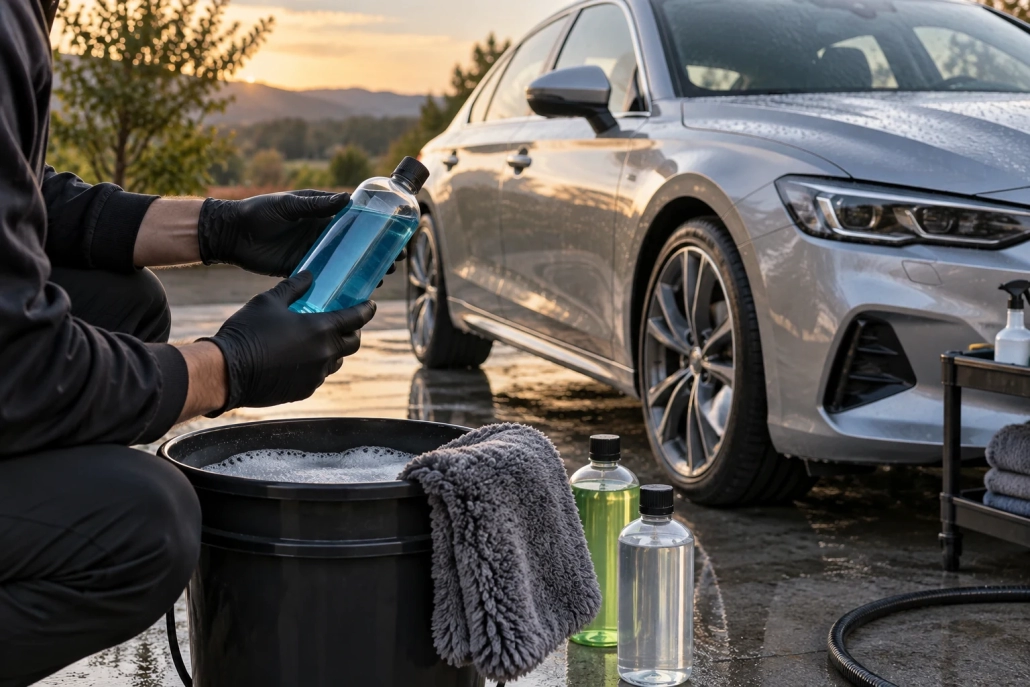
A three-month-old coating tested through winter has not experienced the same conditions as one tested through summer. If product and season change together, the trial cannot readily distinguish their effects.
Keep time since application and calendar exposure period. Include location, orientation, shelter and maintenance. Where relevant, record measured weather or exposure variables instead of relying only on season names.
Test competing products side by side within the same start cohort where practical. If several seasons matter, repeat the comparison in more than one cohort. Keep substrate and application methods comparable.
| Comparison | Limitation |
|---|---|
| Product A in summer, B in winter | Product and season are confounded |
| A and B together in each season | Supports within-season comparison |
| One product at several ages | Age may still coincide with changing weather |
Describe the tested periods and exposures rather than translating calendar months directly into a universal lifespan. If maintenance differs during winter, record it as part of the service system. A result may legitimately support a seasonal care decision while remaining insufficient for a broad product ranking. The design should make that distinction visible before the results are collected.
Ask NANOLAB about your surface and intended use. For application and care, use the current instructions for the exact product.
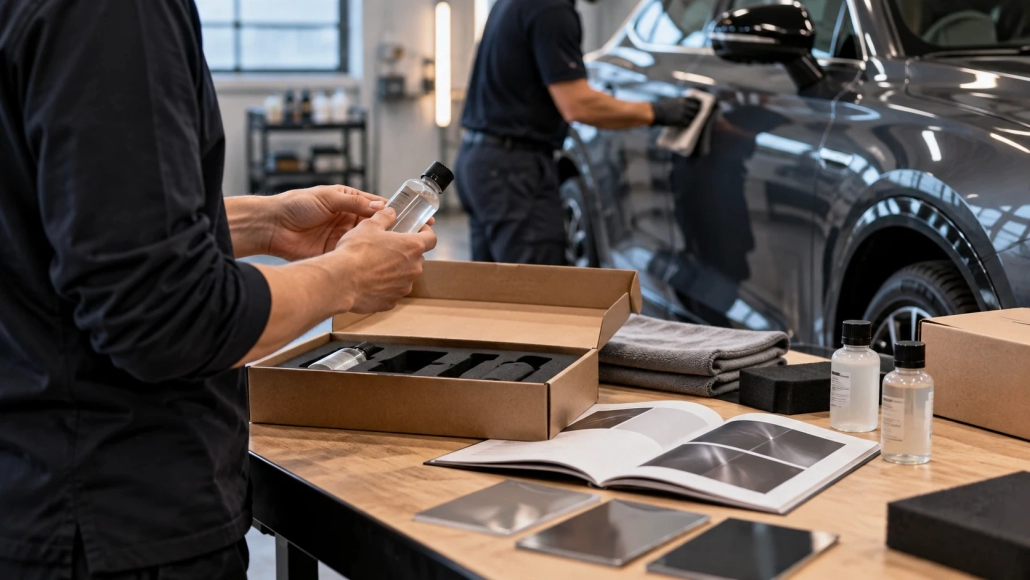
Design a coating field trial with recorded vehicles, use patterns, care routines and inspection points that produce interpretable feedback.
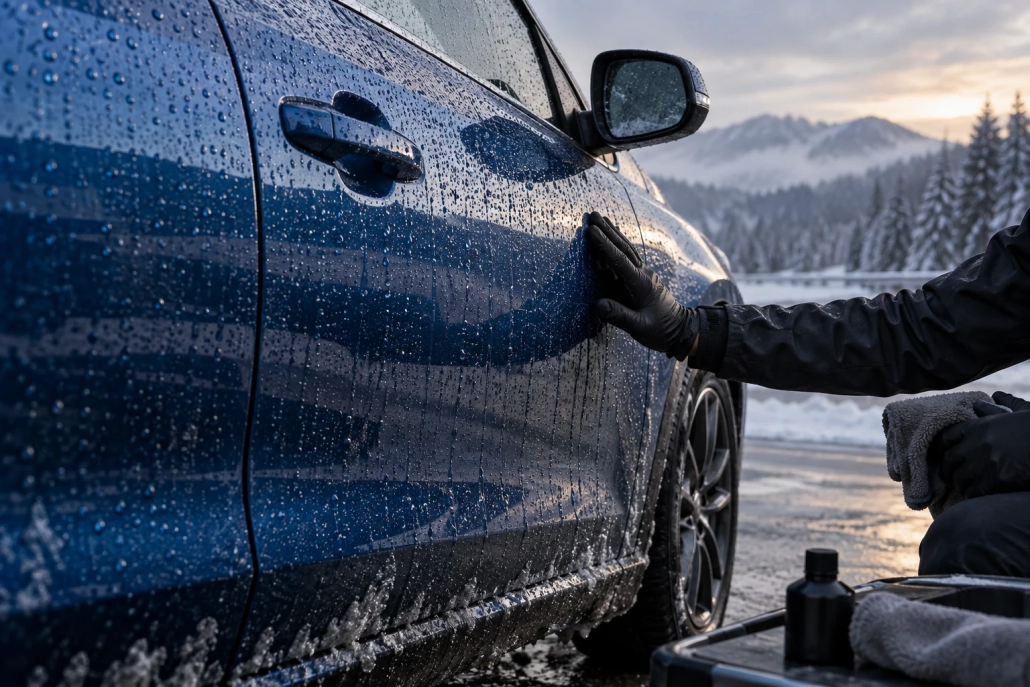
Keep frost removal, visibility and paint care separate, and follow vehicle and coating instructions when cold conditions affect the wash routine.

Test whether a coating ranking survives reasonable changes in weights, uncertain measurements and missing evidence before selecting a winner.

 Sensitivity Analysis for Coating Rankings: Test whether the Winner Is Stabl...