






A full polishing range.
From cutting and one-step correction to final finishing.
Specialist chemistry. Expert application.
 QUARTZ99 / CERAMIC BASE COAT
The foundation of your coating system.
A layerable quartz base coat designed for mechanical protection. Pair it with a suitable top coat to create the final finish.
For application by NANOLAB certified installers only.
Four formulas. Extended working time. Find the coating for your finish.
Explore the BEAST family of ceramic coatings.
Find the coating for each exterior surface.
 PPF & VINYLGLOSSProtection for glossy films and wraps.Discover
 MATTE & SATINMATTEProtection that respects the finish.Discover
 GLASSWINDOWSExplore dedicated glass protection.Discover
 WHEEL PROTECTIONWHEELSA dedicated coating for your wheels.Discover
 TRIM PROTECTIONPLASTICProtection for plastic surfaces.Discover
Dedicated care for the surfaces inside.
 LEATHER SURFACESLEATHERDiscover NANOLAB leather protection.Discover PLASTIC SURFACESPLASTICProtection for interior plastic surfaces.Discover TEXTILE SURFACESFABRICExplore the latest fabric formulation.Discover
Spray protection, maintenance and upcoming wash products.
 MAINTENANCEBEAST 365Explore the BEAST maintenance range.Discover
Next in washing, cleaning & care.
Ceramic protection for boats and yachts.
An easy-to-apply ceramic coating with an established track record on boats and yachts around the world.
Results vary with surface preparation, exposure and maintenance.
Read 50 MARINE guides →Explore MARINEProtection for the surfaces you live with.
A look at what we’re developing.
From cutting and one-step correction to final finishing.
A wider range for professional vehicle care.
Taking shape alongside BEAST & MATRIX.
Practical guidance for your next coating project.
Explore all guides →
Define the evidence needed to release a coating from pilot production into routine supply, including consistency, packaging and user instructions.
Updated · NANOLAB Knowledge
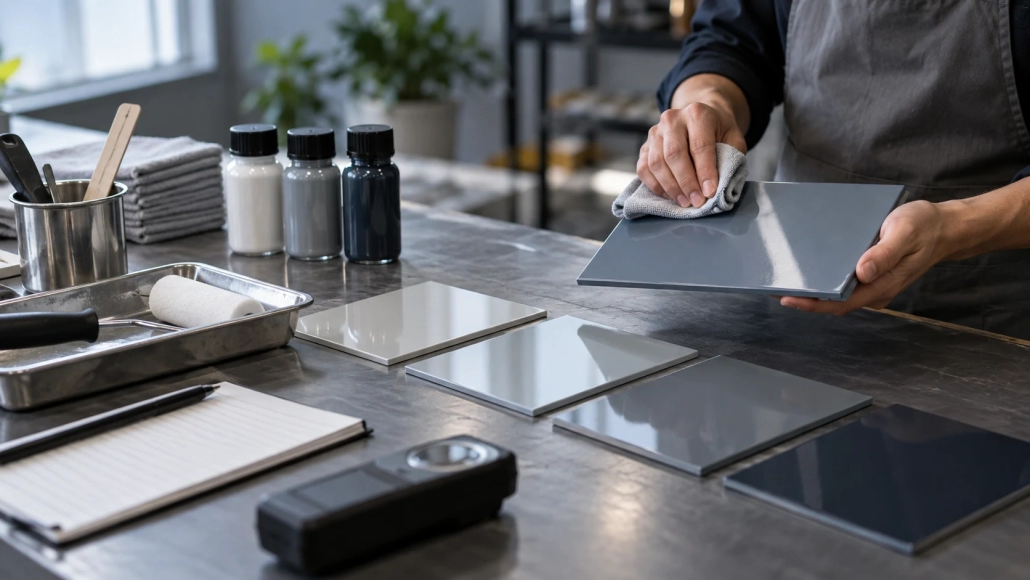
A successful pilot demonstrates that a process can work under the pilot conditions. Routine supply needs evidence that the released product and package can be reproduced and used as intended.
Compare equipment, raw-material handling, batch size, filling, packaging and inspection. Identify which differences may affect product properties or application behaviour. Keep the pilot’s exact configuration available as a reference.
The required amount of evidence should reflect the product and process risk, not a universal arbitrary number of batches.
Laboratory release values may not capture every practical difference. Use a defined application check on representative surfaces and operators where appropriate. Record departures from the pilot, including working behaviour and final appearance.
Document who approved routine supply, which version is covered and any remaining monitoring requirement. For example, a production batch meeting the specification but using an unqualified closure is not the same released system as the pilot. Keep early field observations linked to batch and installer so the transition can reveal a repeatability issue before it becomes a broad market complaint.
Discuss your private-label coating project. For application and care, use the current instructions for the exact product.
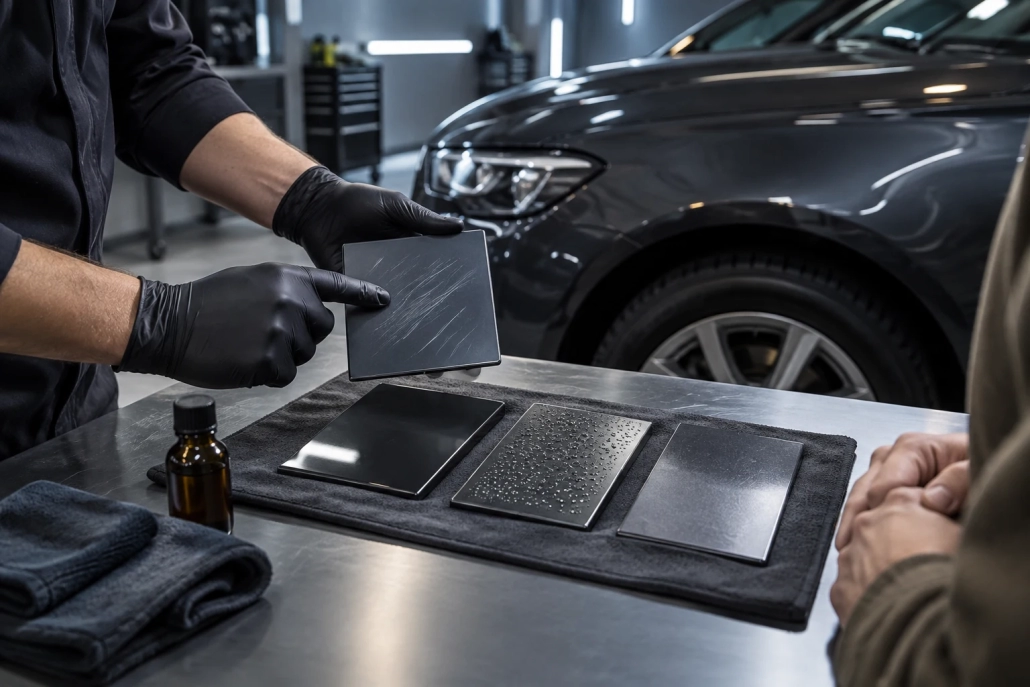
Keep coating performance statements connected to their product version, test method and limitations before using them in sales material.

Plan a private label coating supplier transition without mixing product identities, carrying over unsupported claims or confusing existing customers.
Check that distributors can demonstrate, explain and support a coating before launch, including care advice and escalation boundaries.
 Distributor Readiness before a Coating Launch: Demonstration, Care and Supp...