






A full polishing range.
From cutting and one-step correction to final finishing.
Specialist chemistry. Expert application.
 QUARTZ99 / CERAMIC BASE COAT
The foundation of your coating system.
A layerable quartz base coat designed for mechanical protection. Pair it with a suitable top coat to create the final finish.
For application by NANOLAB certified installers only.
Four formulas. Extended working time. Find the coating for your finish.
Explore the BEAST family of ceramic coatings.
Find the coating for each exterior surface.
 PPF & VINYLGLOSSProtection for glossy films and wraps.Discover
 MATTE & SATINMATTEProtection that respects the finish.Discover
 GLASSWINDOWSExplore dedicated glass protection.Discover
 WHEEL PROTECTIONWHEELSA dedicated coating for your wheels.Discover
 TRIM PROTECTIONPLASTICProtection for plastic surfaces.Discover
Dedicated care for the surfaces inside.
 LEATHER SURFACESLEATHERDiscover NANOLAB leather protection.Discover PLASTIC SURFACESPLASTICProtection for interior plastic surfaces.Discover TEXTILE SURFACESFABRICExplore the latest fabric formulation.Discover
Spray protection, maintenance and upcoming wash products.
 MAINTENANCEBEAST 365Explore the BEAST maintenance range.Discover
Next in washing, cleaning & care.
Ceramic protection for boats and yachts.
An easy-to-apply ceramic coating with an established track record on boats and yachts around the world.
Results vary with surface preparation, exposure and maintenance.
Read 50 MARINE guides →Explore MARINEProtection for the surfaces you live with.
A look at what we’re developing.
From cutting and one-step correction to final finishing.
A wider range for professional vehicle care.
Taking shape alongside BEAST & MATRIX.
Practical guidance for your next coating project.
Explore all guides →
Review coating complaints by both production batch and installer, using exposure and job counts to avoid misleading raw totals.
Updated · NANOLAB Knowledge

A cluster of complaints can follow a product batch, an installer or a shared application condition. Looking through only one of those views may send an investigation in the wrong direction.
For each case, record batch, product version, installer, substrate, application date, preparation and reported issue. Use consistent complaint categories and distinguish confirmed findings from customer descriptions.
Ten complaints from an installer handling a thousand jobs differ from ten complaints across twenty jobs. Similarly, batch counts need the amount or number of jobs distributed, where that information is reliable. Report missing exposure data rather than presenting raw counts as failure rates.
| Pattern | Useful next question |
|---|---|
| One batch, several installers | What product or distribution factors are shared? |
| Several batches, one installer | What local process or exposure factors recur? |
| One substrate across both | Is the use case the common factor? |
A pattern directs sampling; it does not prove causation. Check retained samples, application records and comparable successful jobs. Avoid excluding inconvenient cases merely because they weaken the initial explanation. Record the evidence needed to close each hypothesis and verify any corrective action under the conditions that produced the complaint.
Discuss your private-label coating project. For application and care, use the current instructions for the exact product.
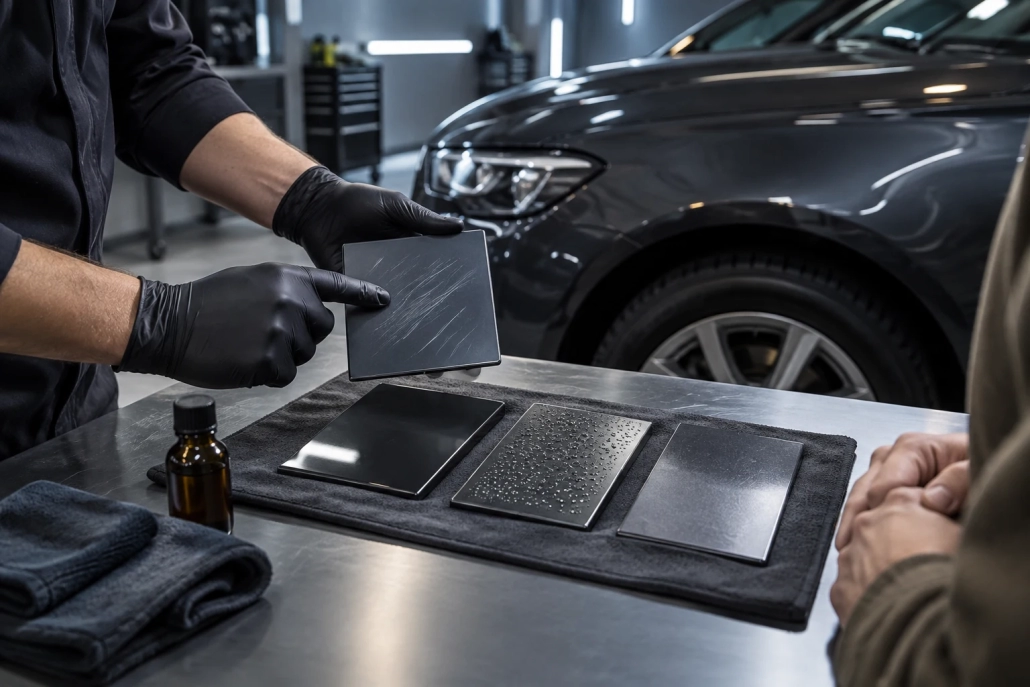
Keep coating performance statements connected to their product version, test method and limitations before using them in sales material.

A leaking unopened shipment and a performance complaint after use require different evidence. Separate their investigation paths early.
Define the evidence needed to release a coating from pilot production into routine supply, including consistency, packaging and user instructions.
 Moving a Coating from Pilot Scale to Routine Supply: Define Release Evidenc...