






A full polishing range.
From cutting and one-step correction to final finishing.
Specialist chemistry. Expert application.
 QUARTZ99 / CERAMIC BASE COAT
The foundation of your coating system.
A layerable quartz base coat designed for mechanical protection. Pair it with a suitable top coat to create the final finish.
For application by NANOLAB certified installers only.
Four formulas. Extended working time. Find the coating for your finish.
Explore the BEAST family of ceramic coatings.
Find the coating for each exterior surface.
 PPF & VINYLGLOSSProtection for glossy films and wraps.Discover
 MATTE & SATINMATTEProtection that respects the finish.Discover
 GLASSWINDOWSExplore dedicated glass protection.Discover
 WHEEL PROTECTIONWHEELSA dedicated coating for your wheels.Discover
 TRIM PROTECTIONPLASTICProtection for plastic surfaces.Discover
Dedicated care for the surfaces inside.
 LEATHER SURFACESLEATHERDiscover NANOLAB leather protection.Discover PLASTIC SURFACESPLASTICProtection for interior plastic surfaces.Discover TEXTILE SURFACESFABRICExplore the latest fabric formulation.Discover
Spray protection, maintenance and upcoming wash products.
 MAINTENANCEBEAST 365Explore the BEAST maintenance range.Discover
Next in washing, cleaning & care.
Ceramic protection for boats and yachts.
An easy-to-apply ceramic coating with an established track record on boats and yachts around the world.
Results vary with surface preparation, exposure and maintenance.
Read 50 MARINE guides →Explore MARINEProtection for the surfaces you live with.
A look at what we’re developing.
From cutting and one-step correction to final finishing.
A wider range for professional vehicle care.
Taking shape alongside BEAST & MATRIX.
Practical guidance for your next coating project.
Explore all guides →
Evaluate inspector consistency with class-specific results and an appropriate agreement analysis, not only an overall percentage.
Updated · NANOLAB Knowledge

Two coating inspectors can agree often while still missing the defects that matter. If almost every sample is acceptable, repeatedly calling everything acceptable may produce a high overall agreement percentage.
Include representative acceptable, unacceptable and borderline conditions. Use a trustworthy reference classification where available, and distinguish agreement with that reference from agreement between inspectors.
Randomise sample order and conceal previous decisions. Repeated assessments can reveal within-inspector consistency, while comparisons across people reveal between-inspector differences. Keep lighting and viewing instructions controlled.
| Output | Question |
|---|---|
| Overall agreement | How often do decisions match? |
| Class-specific results | Which defects or acceptable cases cause difficulty? |
| Agreement with reference | Are matching decisions also correct? |
| Appropriate kappa analysis | How does agreement compare with its chance model? |
Kappa depends on the design and class distribution, so avoid treating one generic threshold as universal proof of competence. Review disagreement images and clarify acceptance boundaries. For example, repeated disagreement on faint haze may call for a better reference panel or lighting method. Reassess with fresh or appropriately blinded samples after training rather than using memorised examples as the sole evidence of improvement.
The sources below support the stated concepts or describe their own methods. The worked scenarios are editorial examples, not NANOLAB test results.
Ask NANOLAB about your surface and intended use. For application and care, use the current instructions for the exact product.
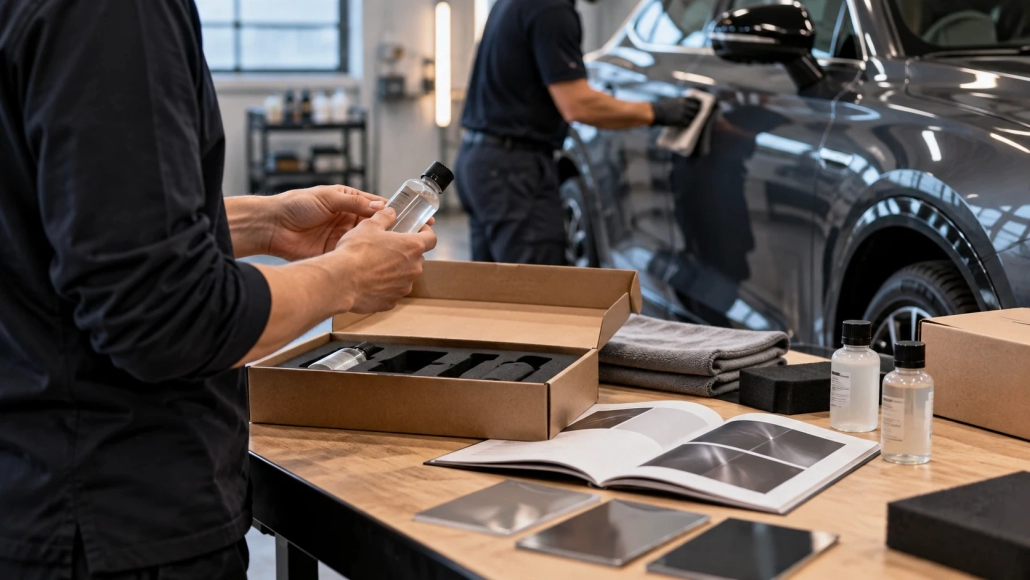
Design a coating field trial with recorded vehicles, use patterns, care routines and inspection points that produce interpretable feedback.

Use an inspector-agreement table to reveal disagreements hidden by similar pass rates and improve coating inspection consistency.
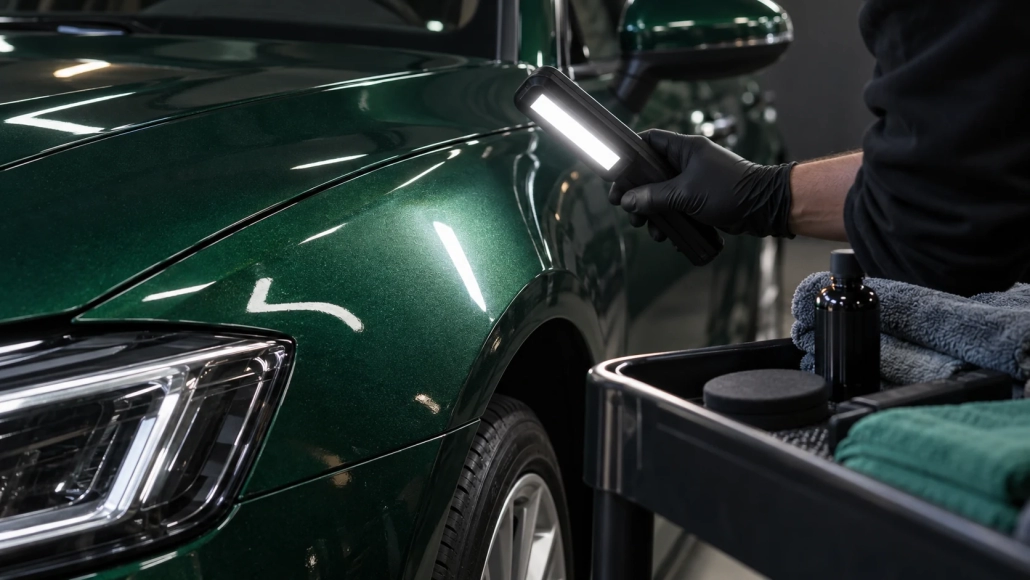
Compare paired coating measurements through their differences across the working range, rather than treating high correlation as interchangeability.

 Comparing Two Coating Measurement Instruments with Paired Differences