






A full polishing range.
From cutting and one-step correction to final finishing.
Specialist chemistry. Expert application.
 QUARTZ99 / CERAMIC BASE COAT
The foundation of your coating system.
A layerable quartz base coat designed for mechanical protection. Pair it with a suitable top coat to create the final finish.
For application by NANOLAB certified installers only.
Four formulas. Extended working time. Find the coating for your finish.
Explore the BEAST family of ceramic coatings.
Find the coating for each exterior surface.
 PPF & VINYLGLOSSProtection for glossy films and wraps.Discover
 MATTE & SATINMATTEProtection that respects the finish.Discover
 GLASSWINDOWSExplore dedicated glass protection.Discover
 WHEEL PROTECTIONWHEELSA dedicated coating for your wheels.Discover
 TRIM PROTECTIONPLASTICProtection for plastic surfaces.Discover
Dedicated care for the surfaces inside.
 LEATHER SURFACESLEATHERDiscover NANOLAB leather protection.Discover PLASTIC SURFACESPLASTICProtection for interior plastic surfaces.Discover TEXTILE SURFACESFABRICExplore the latest fabric formulation.Discover
Spray protection, maintenance and upcoming wash products.
 MAINTENANCEBEAST 365Explore the BEAST maintenance range.Discover
Next in washing, cleaning & care.
Ceramic protection for boats and yachts.
An easy-to-apply ceramic coating with an established track record on boats and yachts around the world.
Results vary with surface preparation, exposure and maintenance.
Read 50 MARINE guides →Explore MARINEProtection for the surfaces you live with.
A look at what we’re developing.
From cutting and one-step correction to final finishing.
A wider range for professional vehicle care.
Taking shape alongside BEAST & MATRIX.
Practical guidance for your next coating project.
Explore all guides →
Use coating maintenance patterns as investigation leads without turning observational correlations into unsupported causal claims.
Updated · NANOLAB Knowledge
Maintenance records can reveal useful patterns, but a relationship between two variables does not prove that one caused the other. Vehicles washed more frequently, for example, may also differ in parking, mileage, climate and owner attention.
Suppose an illustrative dataset shows better appearance scores among cars receiving more maintenance visits. The visits may help, but those owners may also park indoors or report issues earlier. A simple chart cannot separate these influences by itself.
Reverse causation is also possible. A developing problem may cause an owner to wash more often, creating an association between frequent washing and poor condition even if washing was not the original cause.
Collect variables relevant to the question: exposure, maintenance method, product use, elapsed time and major surface interventions. Define outcomes consistently and retain missing observations. Avoid adding large numbers of loosely recorded fields that nobody can maintain reliably.
Compare reasonably similar groups and use appropriate analysis. Where a causal question matters, a well-designed controlled study may be needed. Statistical adjustment cannot automatically remove every unmeasured difference from an observational dataset.
A repeated association can help decide what to test next or where to improve customer guidance. Describe it as an observed relationship within the available records. Do not turn it immediately into a claim that a specific wash frequency guarantees a coating lifespan.
For a practical workshop review, explain what the pattern suggests, which alternative explanations remain and what additional observation would resolve them. This makes ordinary service records useful without giving them the authority of a controlled experiment they were never designed to be.
For product-specific application instructions, consult NANOLAB technical documentation or ask about your surface and intended use.
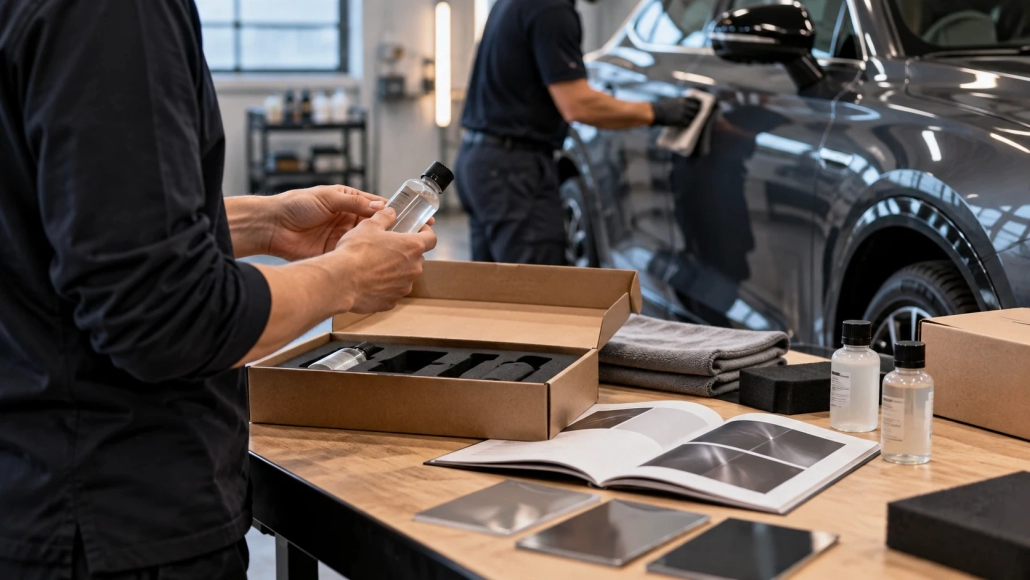
Design a coating field trial with recorded vehicles, use patterns, care routines and inspection points that produce interpretable feedback.
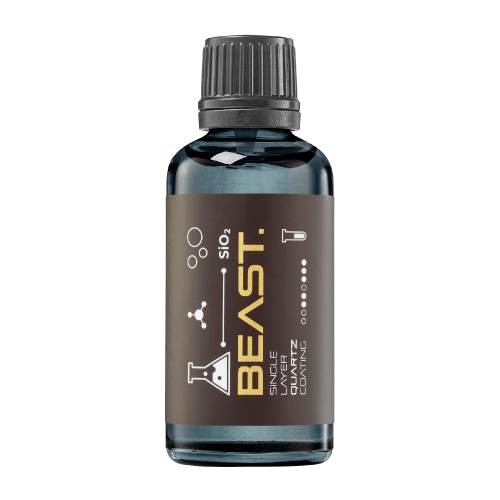
Several readings from one coated patch are not the same as several independently prepared test patches. Keep those two forms of repetition separate.

Use an inspector-agreement table to reveal disagreements hidden by similar pass rates and improve coating inspection consistency.