
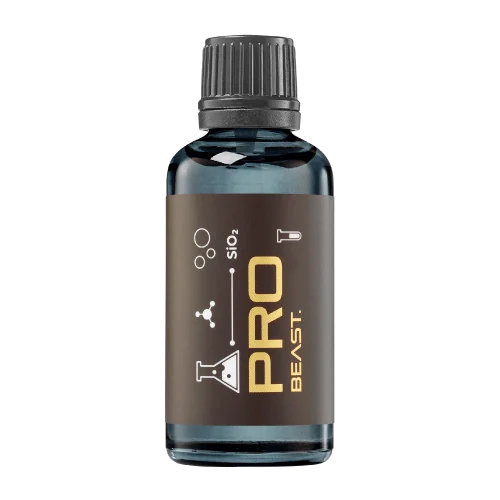

IN DEVELOPMENT / MATRIX SERIES
MATRIX ELITE P7020
The next flagship of the MATRIX series.
75%Solids content
Specialist chemistry. Expert application.
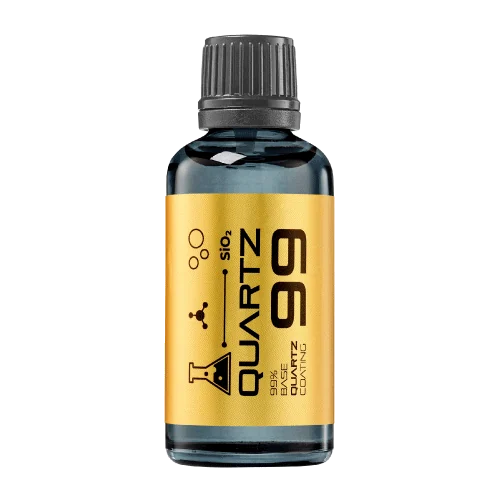 QUARTZ99 / CERAMIC BASE COAT
The foundation of your coating system.
A layerable quartz base coat designed for mechanical protection. Pair it with a suitable top coat to create the final finish.
For application by NANOLAB certified installers only.
Extended working time. A coating for the way you work.
 P5012MATRIX PRORefined protection for glossy finishes.Application1/10Discover P503GMATRIX GRAPHENEVersatile protection for gloss and matte finishes.Application1/10Discover P303MATRIX LITEFor efficient, high-volume detailing.Application1/10Discover
 Explore the BEAST family of ceramic coatings.
Find the coating for each exterior surface.
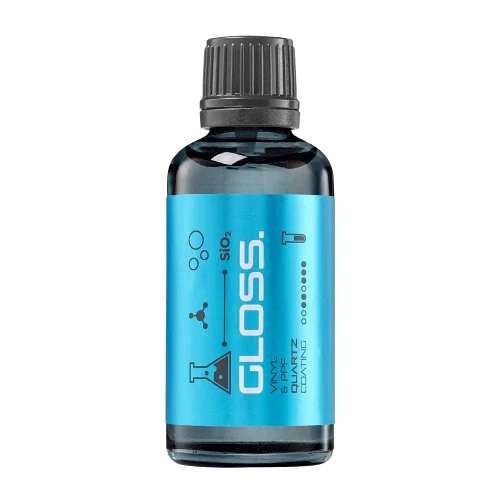 PPF & VINYLGLOSSProtection for glossy films and wraps.Application3/10Discover
 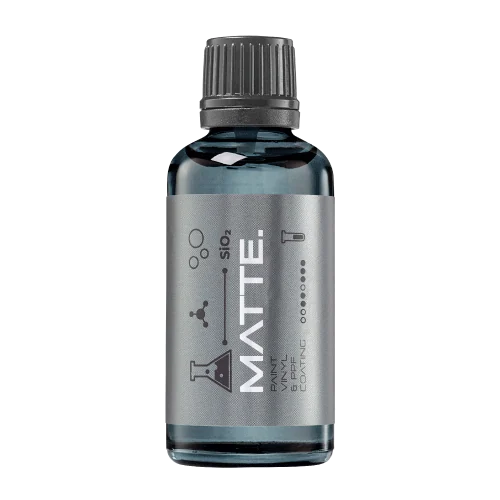 MATTE & SATINMATTEProtection that respects the finish.Application3/10Discover
 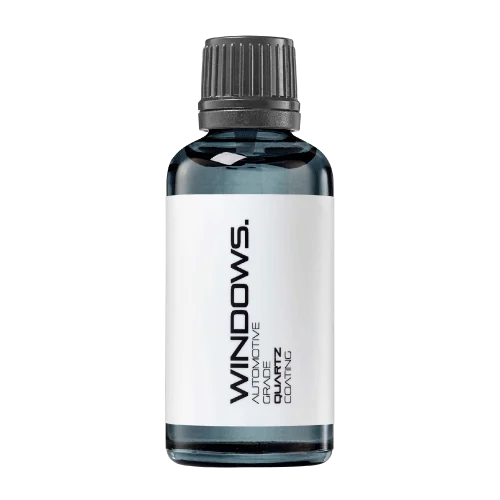 GLASSWINDOWSExplore dedicated glass protection.Application3/10Discover
 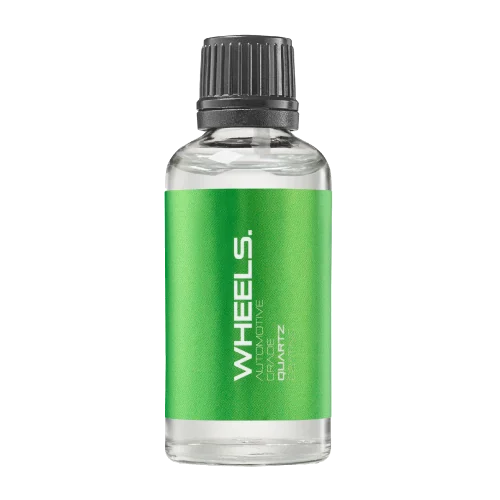 WHEEL PROTECTIONWHEELSA dedicated coating for your wheels.Application2/10Discover
 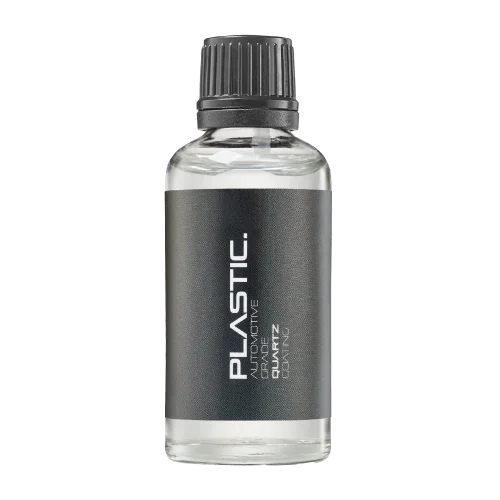 TRIM PROTECTIONPLASTICProtection for plastic surfaces.Application2/10Discover
 Dedicated care for the surfaces inside.
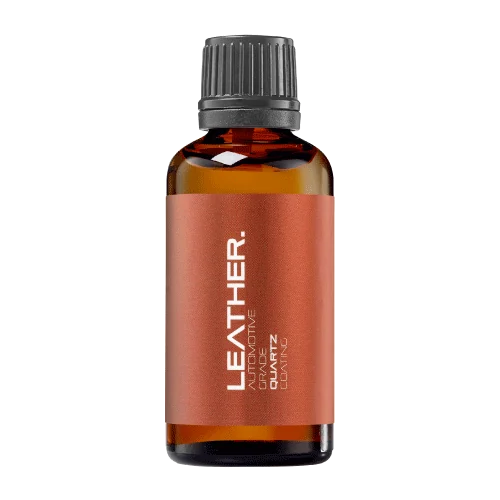 LEATHER SURFACESLEATHERDiscover NANOLAB leather protection.Application5/10Discover PLASTIC SURFACESPLASTICProtection for interior plastic surfaces.Application2/10Discover TEXTILE SURFACESFABRICExplore the latest fabric formulation.Application2/10Discover
 Spray protection, maintenance and upcoming wash products.
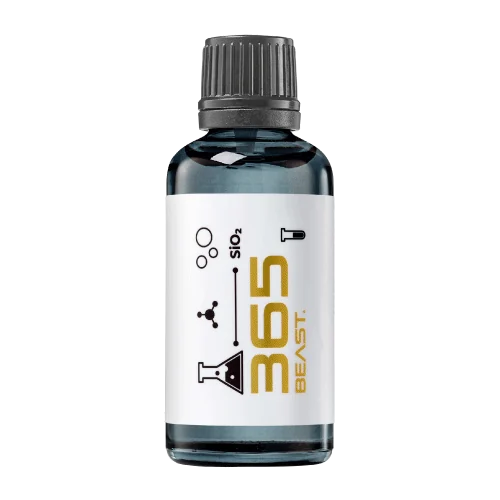 MAINTENANCEBEAST 365Explore the BEAST maintenance range.Application4/10Discover
 Next in washing, cleaning & care.
Ceramic protection for boats and yachts.
An easy-to-apply ceramic coating with an established track record on boats and yachts around the world.
Results vary with surface preparation, exposure and maintenance.
Read 50 MARINE guides →Explore MARINE Application4/10Protection for the surfaces you live with.
A look at what we’re developing.
The next flagship of the MATRIX series.
From cutting and one-step correction to final finishing.
A wider range for professional vehicle care.
Taking shape alongside BEAST & MATRIX.
Practical guidance for your next coating project.
Explore all guides →
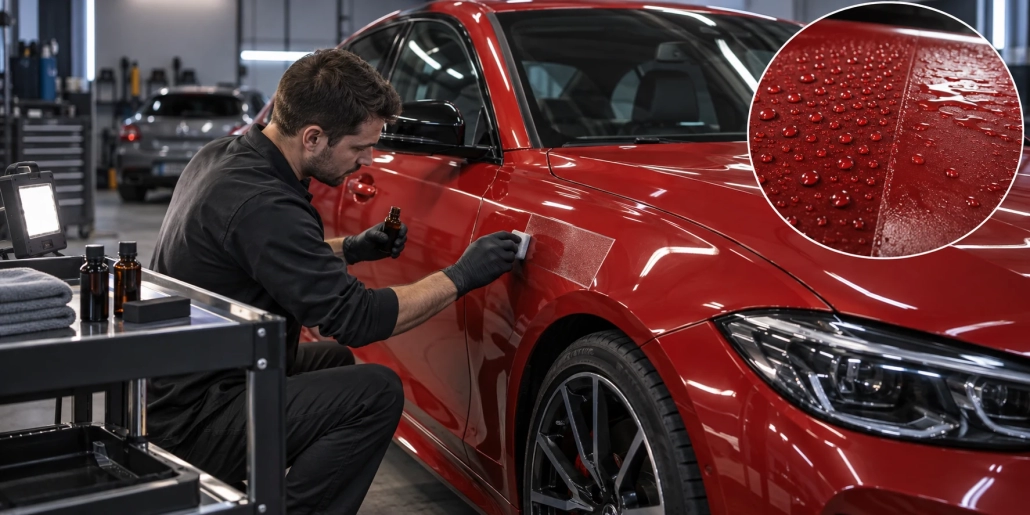
Build a useful coating demonstration with matched preparation, clear labels and limited claims that reflect what the demonstration actually shows.
Updated · NANOLAB Knowledge
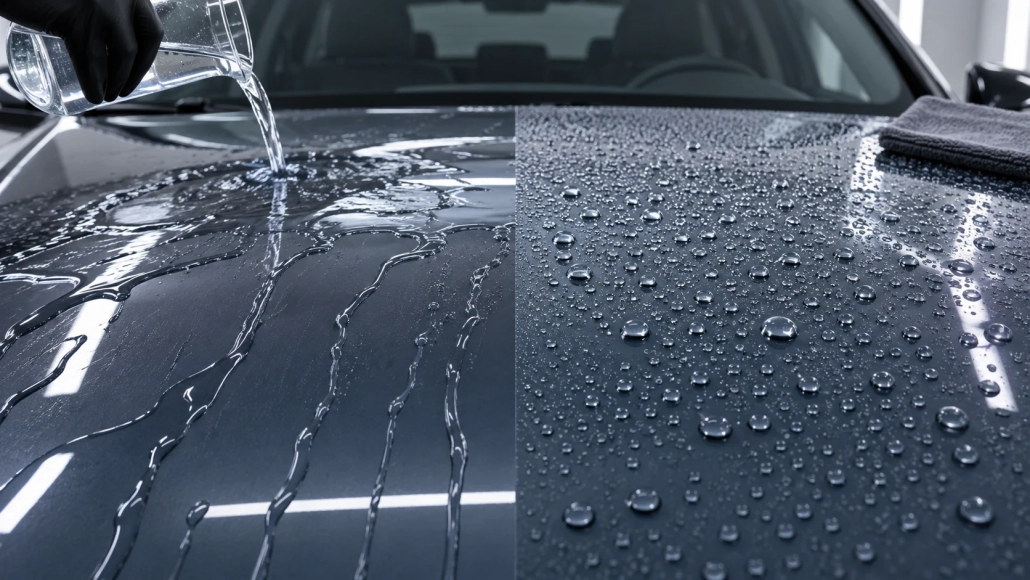
A coating demonstration should help a customer understand a surface behaviour or working process. It should not turn one attractive water test into a promise about years of protection. Define the question first, then choose a setup that makes the answer visible without hiding important differences between the samples.
Examples include how water moves across two prepared panels, how an installer levels a product or how a maintenance process is organised. Trying to demonstrate gloss, scratch resistance, chemical resistance and durability at once makes the result difficult to interpret.
Use the claims evidence file to distinguish a demonstration from formal evidence supporting a product claim. The audience should understand exactly what is being shown.
Use comparable substrate, finish, preparation and inspection conditions. Label the samples and record the coating, application date and applicable cure conditions. If one panel has been polished more heavily, its appearance cannot fairly be attributed only to the coating.
The test panel library guide explains how to keep sample histories useful. Keep an untreated reference when it answers the chosen question and identify it honestly.
For a water demonstration, describe the observed water movement under those conditions. Do not infer scratch protection, long-term service life or resistance to every contaminant from beading alone. Additional products on the surface should be disclosed because they can influence the result.
Follow the coating water comparison guide for a more consistent setup. Avoid dramatic abuse tests on customer vehicles or procedures outside the product’s intended use.
Connect the demonstration to maintenance, application discipline or product selection. Provide the relevant instructions and invite questions about the viewer’s actual surfaces and environment. A useful demonstration leaves the customer with a better decision, not simply a memorable video.
Keep the record with the sample so future presenters do not repeat an old demonstration without knowing its history. When a result changes, inspect the sample and conditions before treating the difference as a product finding.
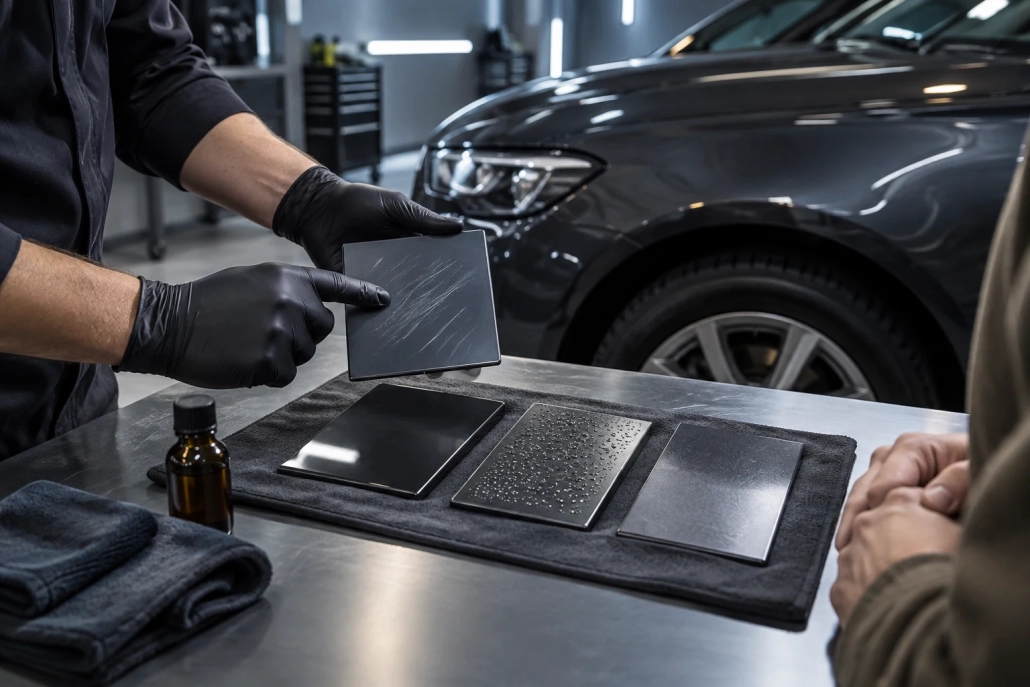
Keep coating performance statements connected to their product version, test method and limitations before using them in sales material.
Select and document test panels that support repeatable coating trials without confusing differences in paint, preparation or panel history.
Compare water behaviour on coated surfaces under consistent cleaning, flow and viewing conditions while recognising the test's limits.

 Managing Revisions to Coating Work Instructions