
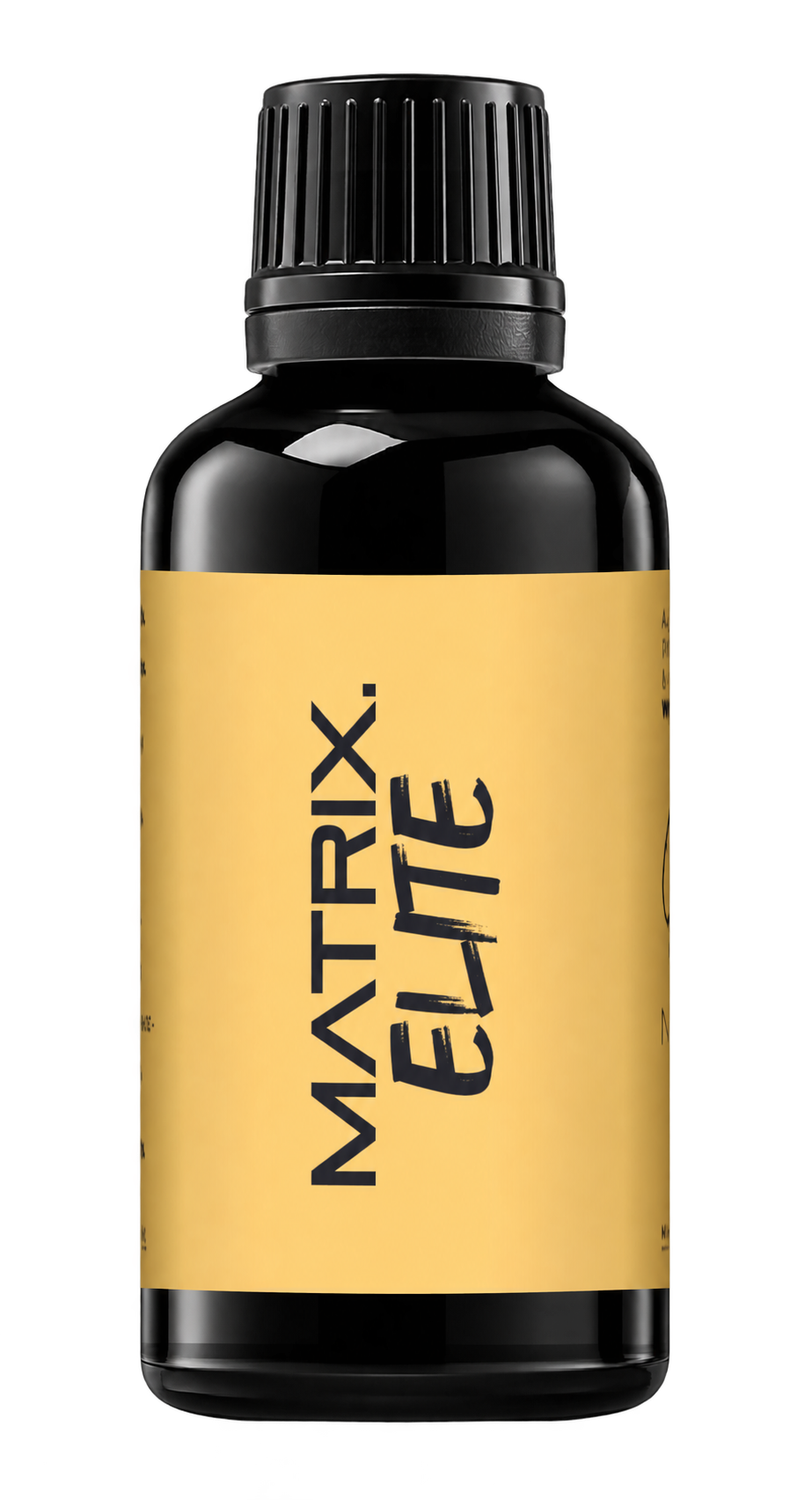
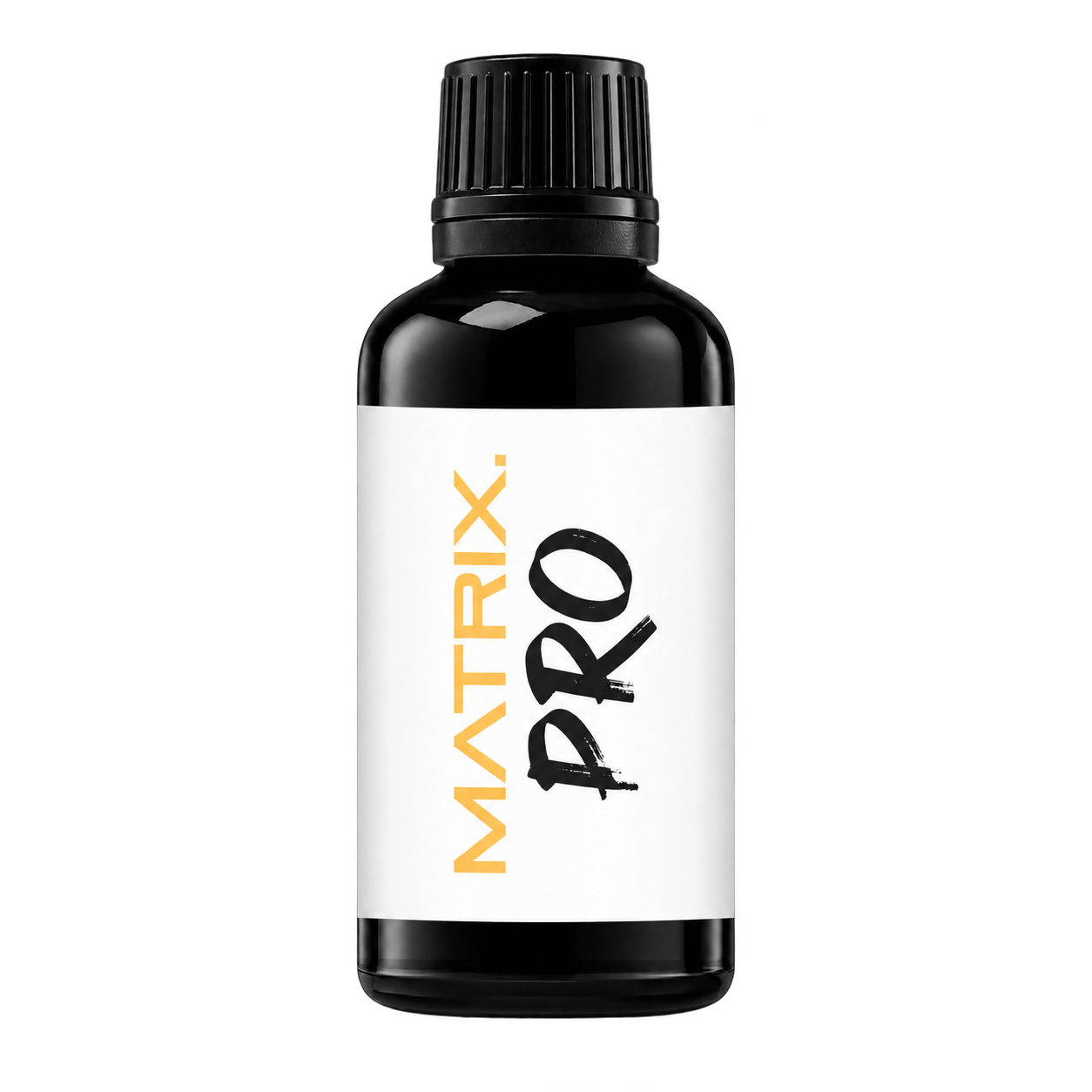
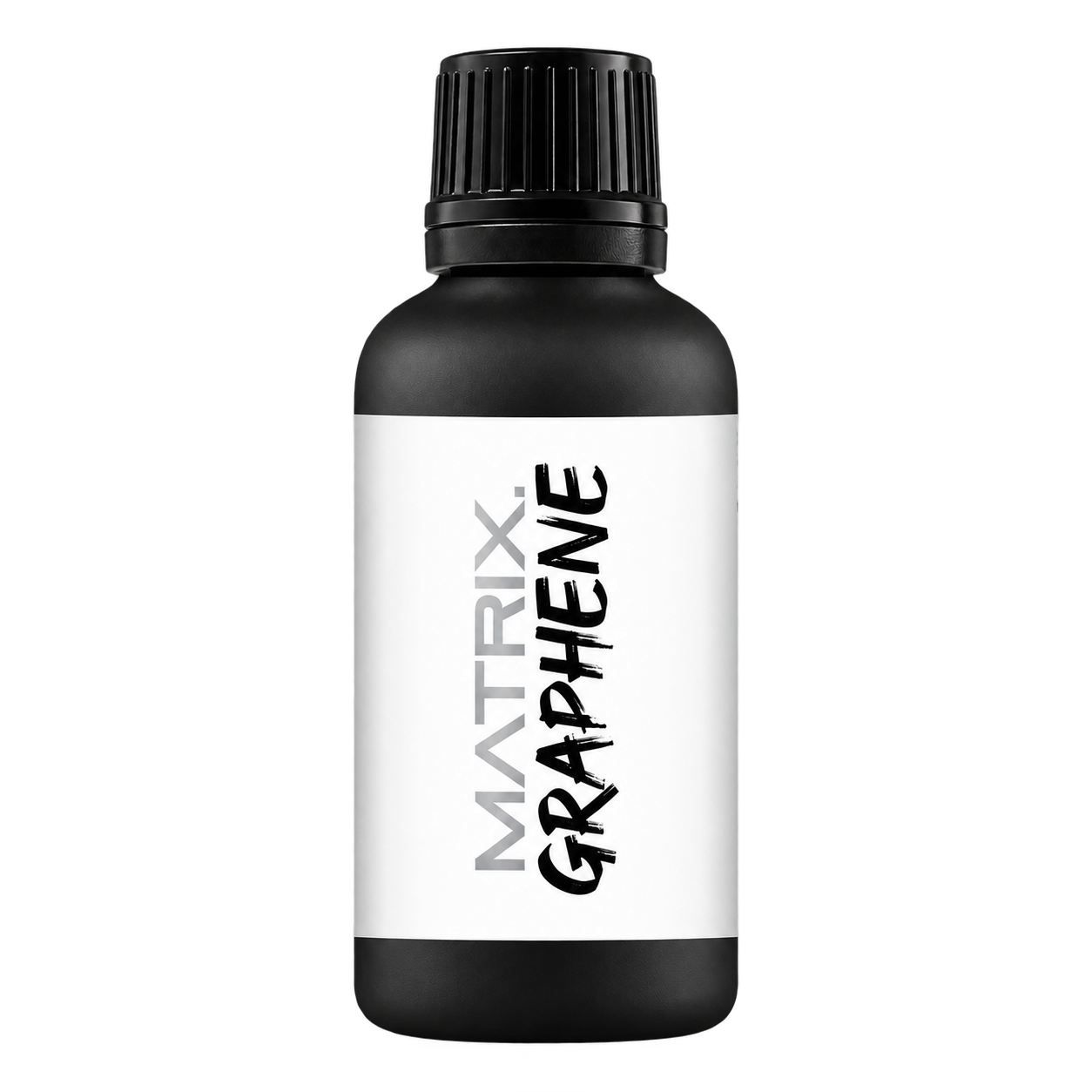
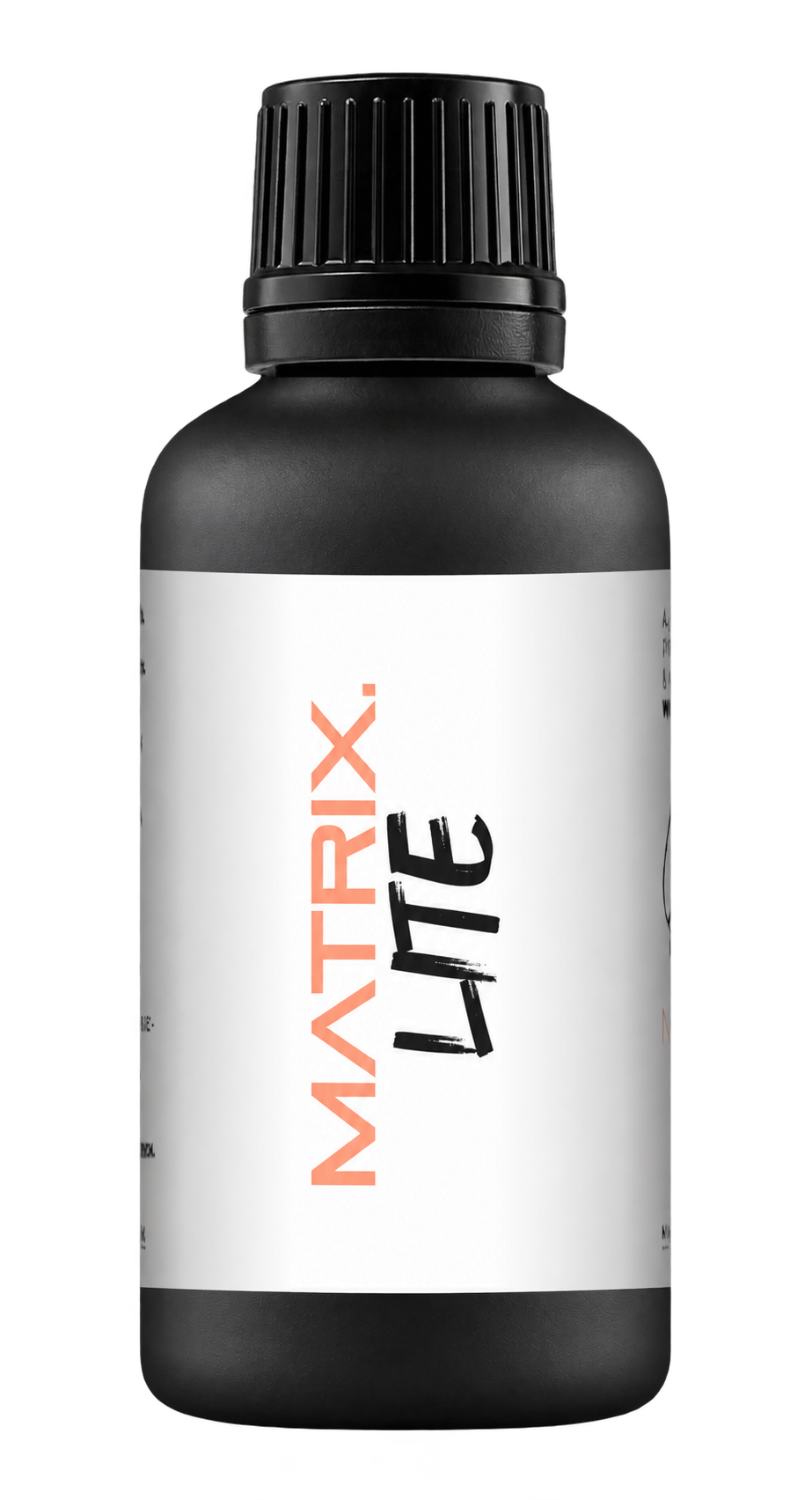
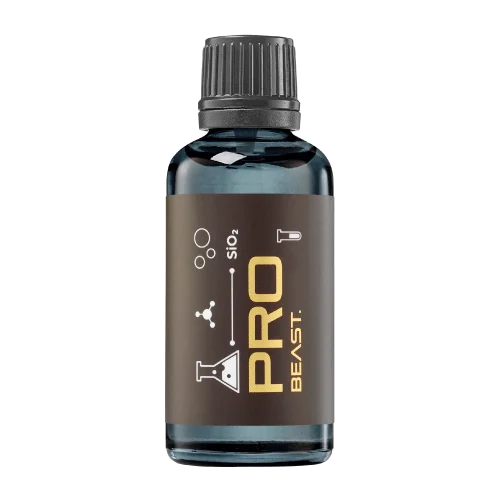
A full polishing range.
From cutting and one-step correction to final finishing.
Specialist chemistry. Expert application.
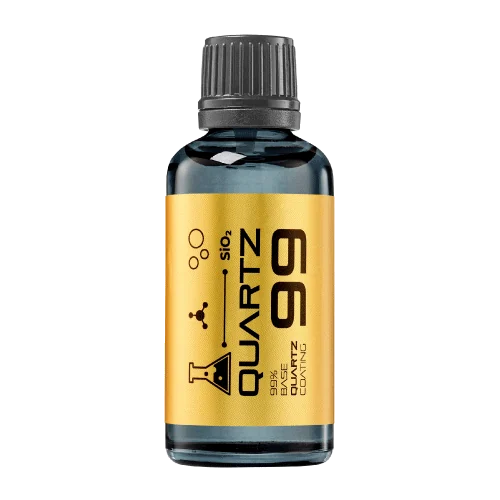 QUARTZ99 / CERAMIC BASE COAT
The foundation of your coating system.
A layerable quartz base coat designed for mechanical protection. Pair it with a suitable top coat to create the final finish.
For application by NANOLAB certified installers only.
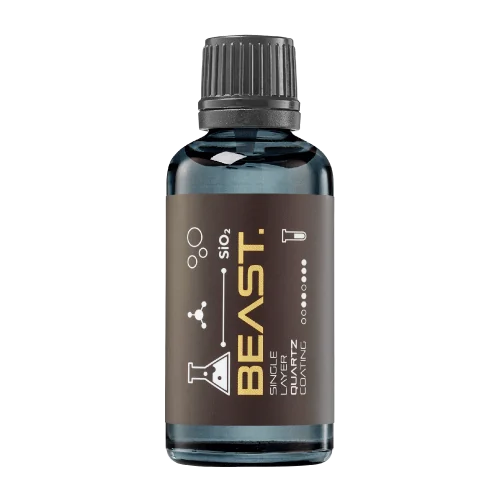
Four formulas. Extended working time. Find the coating for your finish.
Explore the BEAST family of ceramic coatings.
Find the coating for each exterior surface.
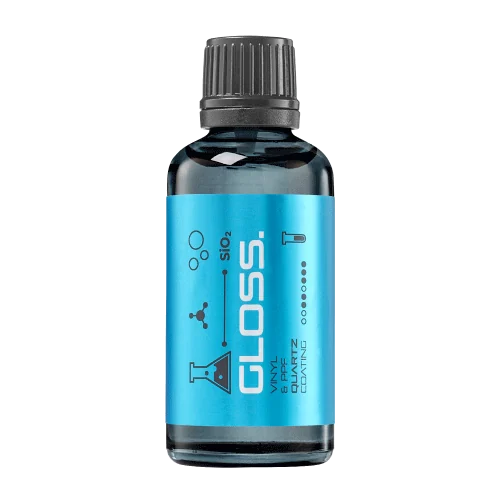 PPF & VINYLGLOSSProtection for glossy films and wraps.Discover
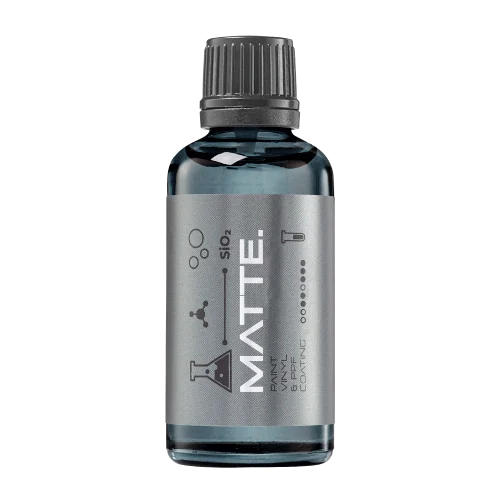 MATTE & SATINMATTEProtection that respects the finish.Discover
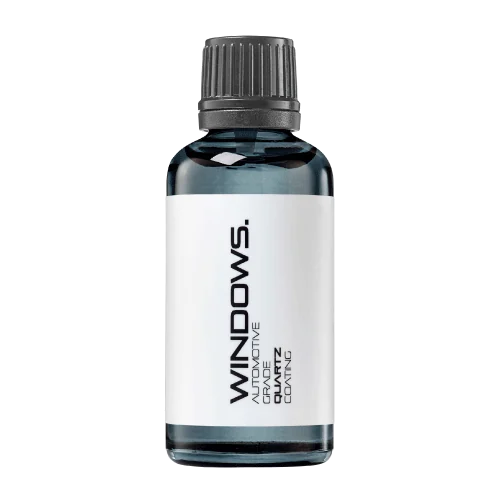 GLASSWINDOWSExplore dedicated glass protection.Discover
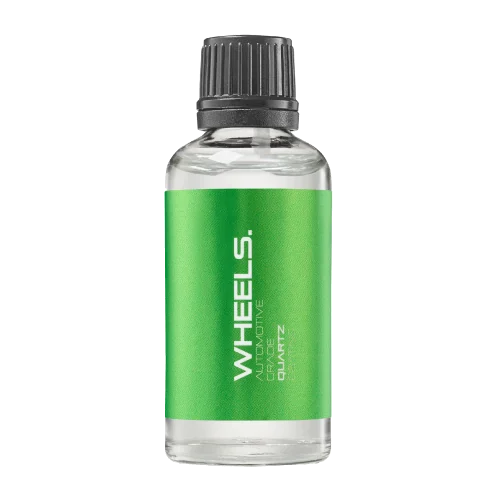 WHEEL PROTECTIONWHEELSA dedicated coating for your wheels.Discover
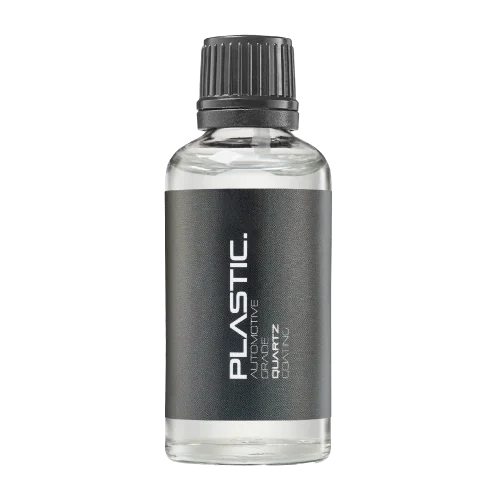 TRIM PROTECTIONPLASTICProtection for plastic surfaces.Discover
Dedicated care for the surfaces inside.
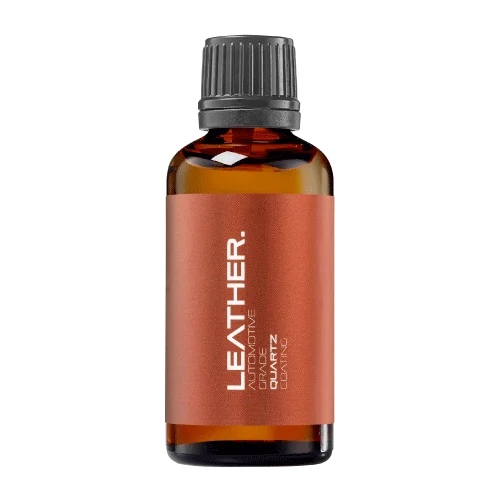 LEATHER SURFACESLEATHERDiscover NANOLAB leather protection.Discover PLASTIC SURFACESPLASTICProtection for interior plastic surfaces.Discover TEXTILE SURFACESFABRICExplore the latest fabric formulation.Discover
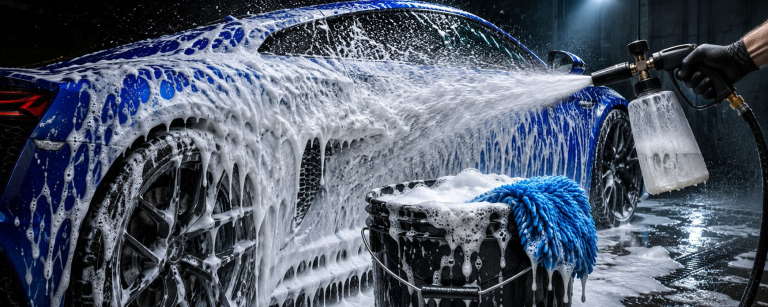 Preview all six shampoos →
Spray protection, maintenance and upcoming wash products.
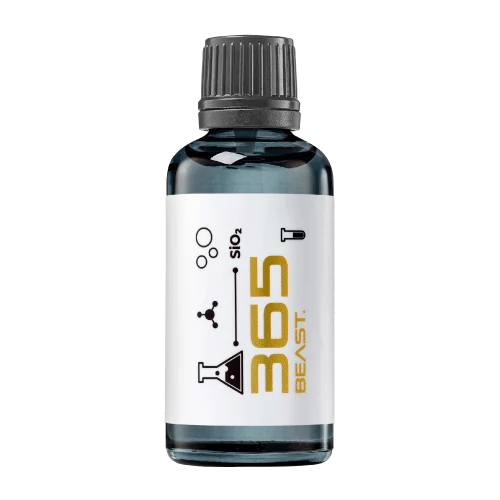 MAINTENANCEBEAST 365Explore the BEAST maintenance range.Discover
Next in washing, cleaning & care.
Ceramic protection for boats and yachts.
An easy-to-apply ceramic coating with an established track record on boats and yachts around the world.
Results vary with surface preparation, exposure and maintenance.
Read 50 MARINE guides →Explore MARINEProtection for the surfaces you live with.
A look at what we’re developing.
From cutting and one-step correction to final finishing.
A wider range for professional vehicle care.
Taking shape alongside BEAST & MATRIX.
Practical guidance for your next coating project.
Explore all guides →
Plan a coating-liquid water determination, calculate a blank-corrected result, and check sample handling and matrix effects before interpreting it.
Updated · NANOLAB Knowledge
Karl Fischer (KF) titration can quantify water in a coating liquid when the method suits the formulation. It is useful for investigating a raw-material change or suspected moisture exposure, but a number from the instrument is not automatically a valid water result. Sampling, water release and chemical interference must be controlled first.
Volumetric KF uses a measured titrant volume and its water equivalent; coulometric KF generates iodine electrically and relates the charge consumed to water. Expected water level, sample size, solubility and reagent compatibility guide the choice. An oven-transfer method may help with unsuitable direct-addition samples, but its temperature must release the relevant water without creating misleading decomposition products.
Tell the laboratory whether the specimen is fresh liquid, an opened-bottle retain or cured material. These are different analytical questions. Describe known ingredients confidentially through the appropriate technical channel; a public product name alone may not disclose interferences.
| Record | Why it matters |
|---|---|
| Batch and sampling point | A tank sample and a repeatedly opened bottle represent different exposure. |
| Container, closure and time before analysis | Moisture can enter or leave during handling. |
| Actual mass transferred | The concentration calculation requires the analysed sample mass. |
| Extraction or dilution details | Added solvent contributes its own water and changes the calculation. |
For a comparison, request independent sample preparations, a suitable water standard, a procedure blank and an appropriate recovery check. Repeating readings from one preparation does not assess sampling variation. The laboratory should set acceptance criteria before interpreting the samples.
Suppose a volumetric test uses 0.62 mL of titrant with a verified water equivalent of 2.00 mg/mL. The gross response is 1.24 mg of water. If the applicable procedure blank contributes 0.04 mg, the corrected amount is 1.20 mg. For a 2.000 g specimen, the result is 0.600 mg/g, or 600 mg/kg (600 ppm by mass), equal to 0.0600% by mass.
These invented figures teach the arithmetic; they are not NANOLAB test results or release limits. Apply the blank once according to the method. If the instrument already reports a corrected result, subtracting it again would introduce an error. Additional dilution factors require their own traceable mass or volume basis.
A drifting endpoint, dependence on sample mass or poor spike recovery can indicate an unsuitable procedure, incomplete water release or a side reaction. A low value is not reassuring if the matrix never released its water. Ask the laboratory to resolve method suitability before using the result to accept a batch.
Even a valid result does not establish how much water a particular coating tolerates or whether it still applies and cures correctly. Compare with a product-specific specification and the relevant performance checks. For installation decisions, follow the separate guidance on moisture-curing products and bottle contamination; do not add water to a finished coating to reproduce this example.
Technical references: Metrohm: volumetric versus coulometric KF; Metrohm: sampling, side reactions and result checks. The worksheet and numerical example are illustrative.