
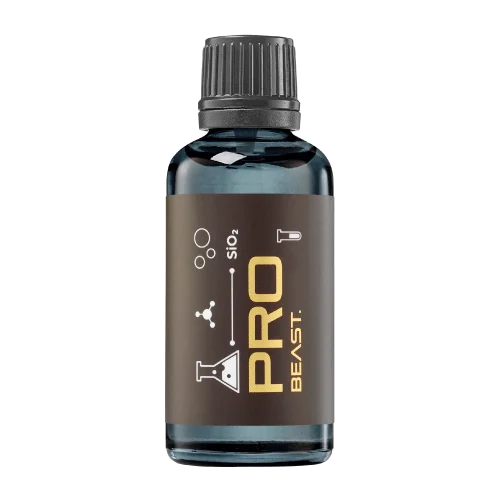
A full polishing range.
From cutting and one-step correction to final finishing.
Specialist chemistry. Expert application.
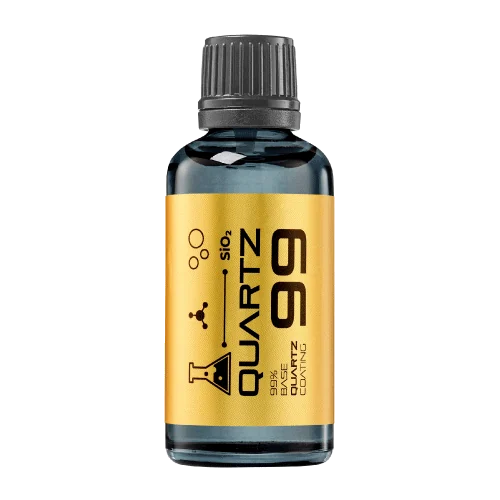 QUARTZ99 / CERAMIC BASE COAT
The foundation of your coating system.
A layerable quartz base coat designed for mechanical protection. Pair it with a suitable top coat to create the final finish.
For application by NANOLAB certified installers only.
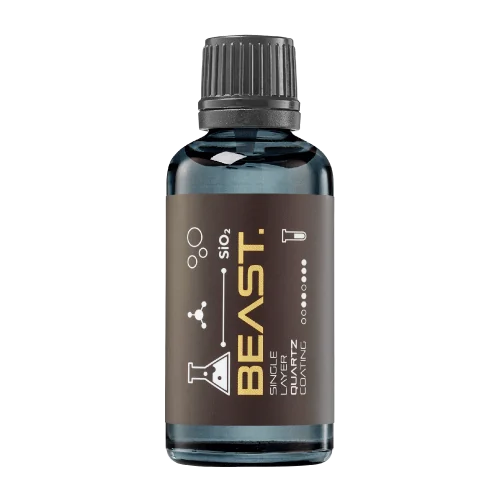
Four formulas. Extended working time. Find the coating for your finish.
Explore the BEAST family of ceramic coatings.
Find the coating for each exterior surface.
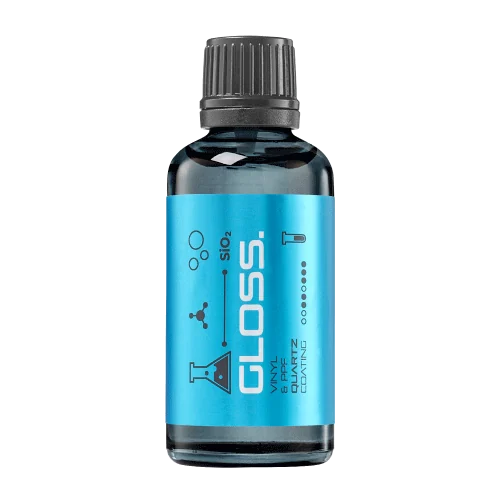 PPF & VINYLGLOSSProtection for glossy films and wraps.Discover
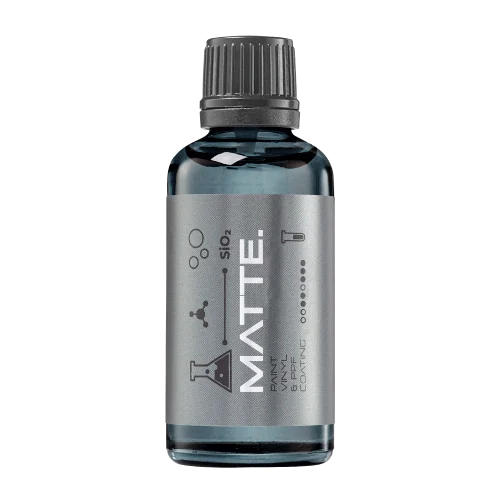 MATTE & SATINMATTEProtection that respects the finish.Discover
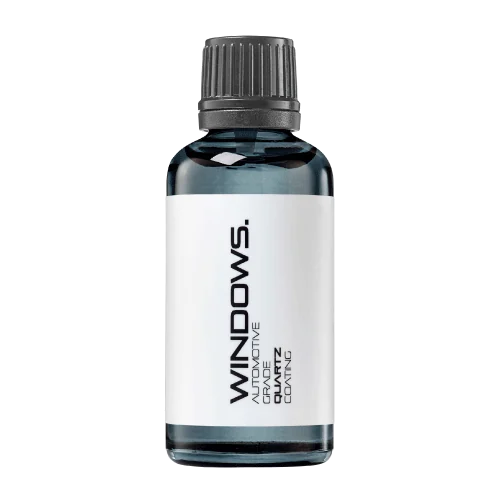 GLASSWINDOWSExplore dedicated glass protection.Discover
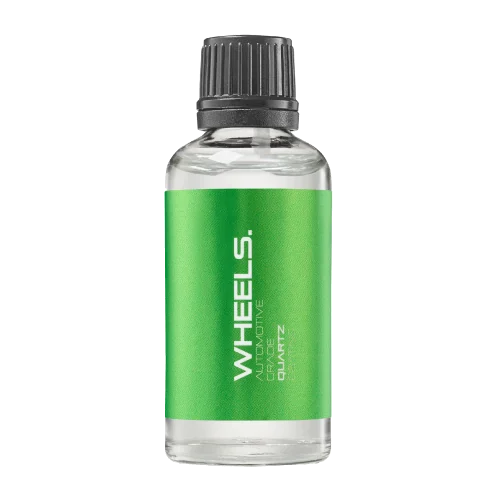 WHEEL PROTECTIONWHEELSA dedicated coating for your wheels.Discover
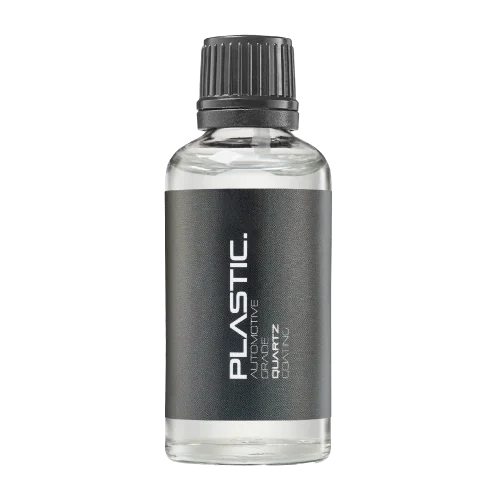 TRIM PROTECTIONPLASTICProtection for plastic surfaces.Discover
Dedicated care for the surfaces inside.
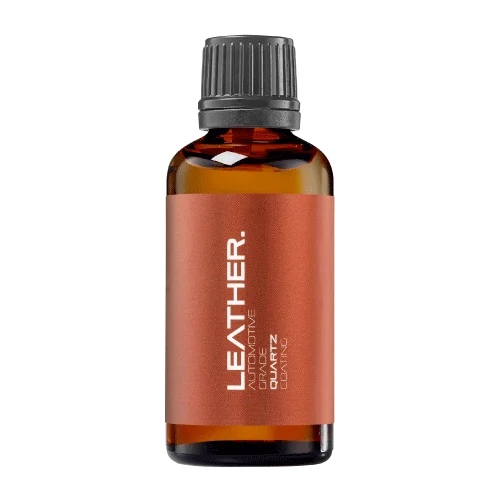 LEATHER SURFACESLEATHERDiscover NANOLAB leather protection.Discover PLASTIC SURFACESPLASTICProtection for interior plastic surfaces.Discover TEXTILE SURFACESFABRICExplore the latest fabric formulation.Discover
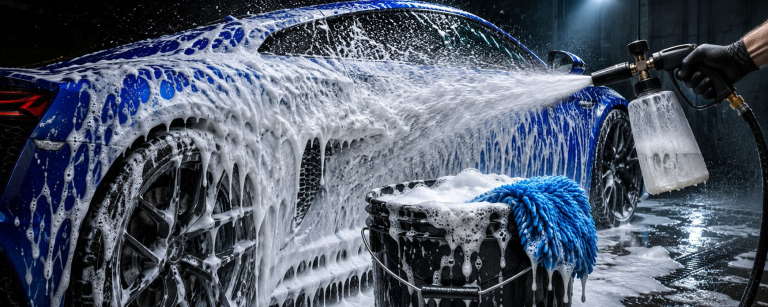 Preview all six shampoos →
Spray protection, maintenance and upcoming wash products.
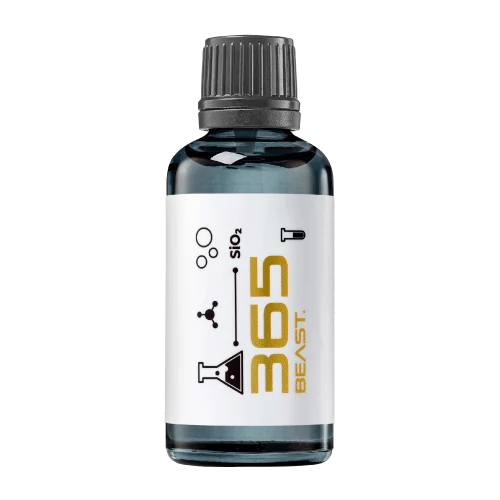 MAINTENANCEBEAST 365Explore the BEAST maintenance range.Discover
Next in washing, cleaning & care.
Ceramic protection for boats and yachts.
An easy-to-apply ceramic coating with an established track record on boats and yachts around the world.
Results vary with surface preparation, exposure and maintenance.
Read 50 MARINE guides →Explore MARINEProtection for the surfaces you live with.
A look at what we’re developing.
From cutting and one-step correction to final finishing.
A wider range for professional vehicle care.
Taking shape alongside BEAST & MATRIX.
Practical guidance for your next coating project.
Explore all guides →
Understand a Wilhelmy plate report using a worked force calculation, wetting assumptions and a checklist for comparable car-care liquid measurements.
Updated · NANOLAB Knowledge
A Wilhelmy plate measurement converts the wetting force on a plate into a liquid’s surface or interfacial tension. For car-care development, it can help compare surfactant solutions under controlled conditions. It does not directly measure cleaning power, a cured coating’s water contact angle or long-term protection.
A clean platinum plate is commonly used because many liquids wet it completely. In the simplified wetting-force relation, F = γ × P × cos θ, where F is the relevant force after the method’s corrections, γ is tension, P is the wetted perimeter and θ is the liquid’s contact angle on the plate. With complete wetting, θ is zero and cos θ is one.
The plate’s perimeter includes its thickness; it is not simply its width. Taring, immersion geometry and any buoyancy contribution must follow the instrument procedure. A raw balance force should not be inserted into the simplified expression without knowing what has already been corrected.
Assume a plate has a wetted perimeter of 40.0 mm and the corrected wetting force is 1.20 mN. With complete wetting, γ = 0.00120 N ÷ 0.0400 m = 0.0300 N/m, or 30.0 mN/m. These values are invented, not a NANOLAB specification or measurement.
Now consider a sensitivity check. If the true contact angle were 30° while the calculation assumed zero, the same force would correspond to 30.0 ÷ cos 30° = approximately 34.6 mN/m. The zero-angle assumption would understate the tension. This demonstrates why plate cleanliness and wetting behaviour matter; it is not a recommendation to apply an arbitrary angle correction to a suspect run.
| Control | Example of a misleading comparison |
|---|---|
| Composition and dilution basis | A neat shampoo compared with another product at use dilution. |
| Temperature and equilibration | A fresh warm sample compared with a conditioned sample. |
| Interface and surface history | A liquid-air value presented as a liquid-liquid value. |
| Plate preparation and verification | Residual surfactant from the previous specimen affecting the next. |
Request the force trace or time series, replicate preparations, the chosen endpoint rule and the instrument verification record. If the value is still changing, report the stated observation time rather than relabelling it as equilibrium. Include the actual water source when testing a shampoo dilution.
The plate method can track relatively slow tension changes, but the creation and age of a very young interface are harder to define with this arrangement. A rapidly generated spray interface may call for a different method. KRÜSS compares plate, pendant-drop and bubble-pressure approaches in its technical note; their timing capabilities should be checked for the actual instrument and procedure.
Use dynamic surface-tension guidance when spray timing is the question. For reporting, keep the two phases explicitly identified. A useful development conclusion connects the measurement to an application trial instead of declaring the lowest number the best formulation.
Technical references: KRÜSS: Wilhelmy plate method; KRÜSS TN307: non-equilibrium surface-tension measurements.