






A full polishing range.
From cutting and one-step correction to final finishing.
Specialist chemistry. Expert application.
 QUARTZ99 / CERAMIC BASE COAT
The foundation of your coating system.
A layerable quartz base coat designed for mechanical protection. Pair it with a suitable top coat to create the final finish.
For application by NANOLAB certified installers only.
Four formulas. Extended working time. Find the coating for your finish.
Explore the BEAST family of ceramic coatings.
Find the coating for each exterior surface.
 PPF & VINYLGLOSSProtection for glossy films and wraps.Discover
 MATTE & SATINMATTEProtection that respects the finish.Discover
 GLASSWINDOWSExplore dedicated glass protection.Discover
 WHEEL PROTECTIONWHEELSA dedicated coating for your wheels.Discover
 TRIM PROTECTIONPLASTICProtection for plastic surfaces.Discover
Dedicated care for the surfaces inside.
 LEATHER SURFACESLEATHERDiscover NANOLAB leather protection.Discover PLASTIC SURFACESPLASTICProtection for interior plastic surfaces.Discover TEXTILE SURFACESFABRICExplore the latest fabric formulation.Discover
Spray protection, maintenance and upcoming wash products.
 MAINTENANCEBEAST 365Explore the BEAST maintenance range.Discover
Next in washing, cleaning & care.
Ceramic protection for boats and yachts.
An easy-to-apply ceramic coating with an established track record on boats and yachts around the world.
Results vary with surface preparation, exposure and maintenance.
Read 50 MARINE guides →Explore MARINEProtection for the surfaces you live with.
A look at what we’re developing.
From cutting and one-step correction to final finishing.
A wider range for professional vehicle care.
Taking shape alongside BEAST & MATRIX.
Practical guidance for your next coating project.
Explore all guides →
Classify private-label coating changes by their effect on the product, package, instructions and evidence before deciding what to revalidate.
Updated · NANOLAB Knowledge
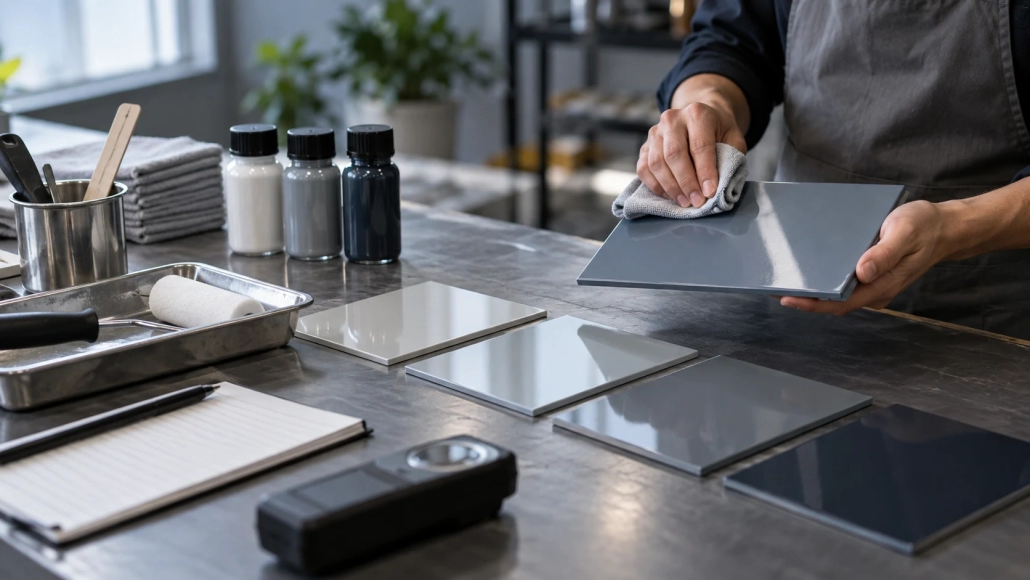
A private-label change can be cosmetic, technical or both. Renaming a product, changing its closure and revising its formulation should not pass through the same review merely because each request arrives as an artwork update.
Record the current and proposed versions, reason, affected SKUs and intended start date. Identify linked components: a new dispenser may change dose instructions, while a new claim may require additional evidence without changing the formulation.
| Area | Review question |
|---|---|
| Performance | Could application or service behaviour change? |
| Packaging | Could containment or dispensing change? |
| Documentation | Do instructions, labels or safety documents need revision? |
| Evidence | Does existing support still cover the revised product or claim? |
A corrected spelling error may need only artwork review. A changed product-contact component may require compatibility work. Do not use a minor-change label to avoid reviewing a material effect, or require a complete product programme for every punctuation correction.
Approve the affected items together and record the first production or shipment using them. Retain superseded versions for traceability. For example, a new closure with revised dosing should not ship while the carton still describes the old dispenser. The change record should make that dependency visible before stock enters distribution.
Discuss your private-label coating project. For application and care, use the current instructions for the exact product.
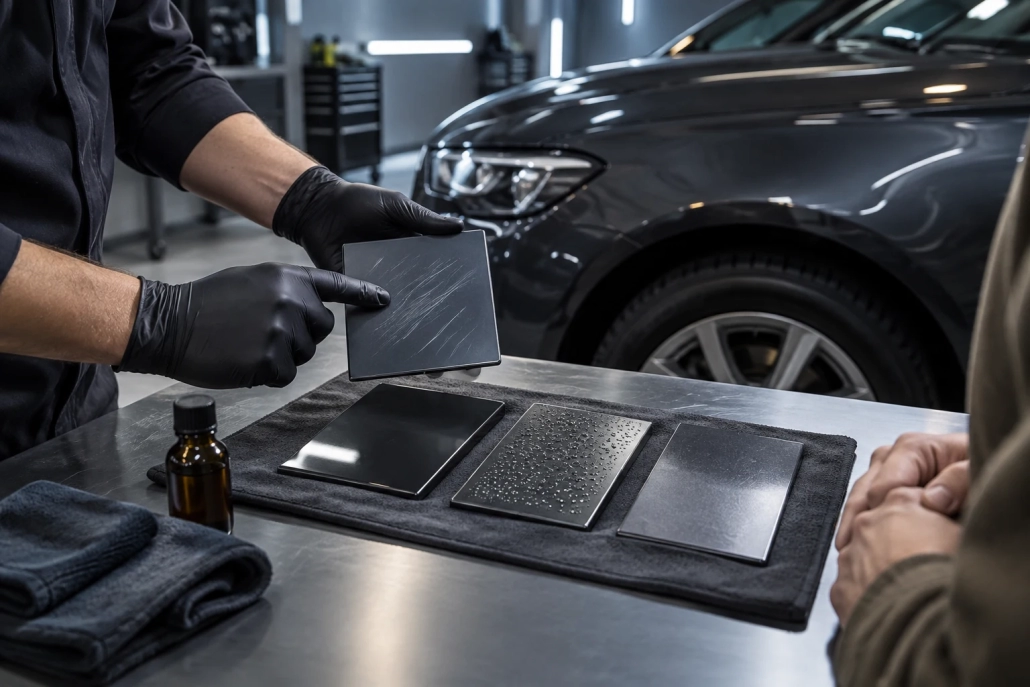
Keep coating performance statements connected to their product version, test method and limitations before using them in sales material.

Define what must be reviewed when a label, closure or box changes after approval.
Design retained samples around the questions they may need to answer, linking formulation, packaging and finished production batches.
 A Retained-Sample Matrix for Formula, Package and Batch Investigations