






A full polishing range.
From cutting and one-step correction to final finishing.
Specialist chemistry. Expert application.
 QUARTZ99 / CERAMIC BASE COAT
The foundation of your coating system.
A layerable quartz base coat designed for mechanical protection. Pair it with a suitable top coat to create the final finish.
For application by NANOLAB certified installers only.
Four formulas. Extended working time. Find the coating for your finish.
Explore the BEAST family of ceramic coatings.
Find the coating for each exterior surface.
 PPF & VINYLGLOSSProtection for glossy films and wraps.Discover
 MATTE & SATINMATTEProtection that respects the finish.Discover
 GLASSWINDOWSExplore dedicated glass protection.Discover
 WHEEL PROTECTIONWHEELSA dedicated coating for your wheels.Discover
 TRIM PROTECTIONPLASTICProtection for plastic surfaces.Discover
Dedicated care for the surfaces inside.
 LEATHER SURFACESLEATHERDiscover NANOLAB leather protection.Discover PLASTIC SURFACESPLASTICProtection for interior plastic surfaces.Discover TEXTILE SURFACESFABRICExplore the latest fabric formulation.Discover
Spray protection, maintenance and upcoming wash products.
 MAINTENANCEBEAST 365Explore the BEAST maintenance range.Discover
Next in washing, cleaning & care.
Ceramic protection for boats and yachts.
An easy-to-apply ceramic coating with an established track record on boats and yachts around the world.
Results vary with surface preparation, exposure and maintenance.
Read 50 MARINE guides →Explore MARINEProtection for the surfaces you live with.
A look at what we’re developing.
From cutting and one-step correction to final finishing.
A wider range for professional vehicle care.
Taking shape alongside BEAST & MATRIX.
Practical guidance for your next coating project.
Explore all guides →
Assess dull oxidised paint before compounding and distinguish a correctable surface from clear-coat failure or a finish needing specialist restoration.
Updated · NANOLAB Knowledge
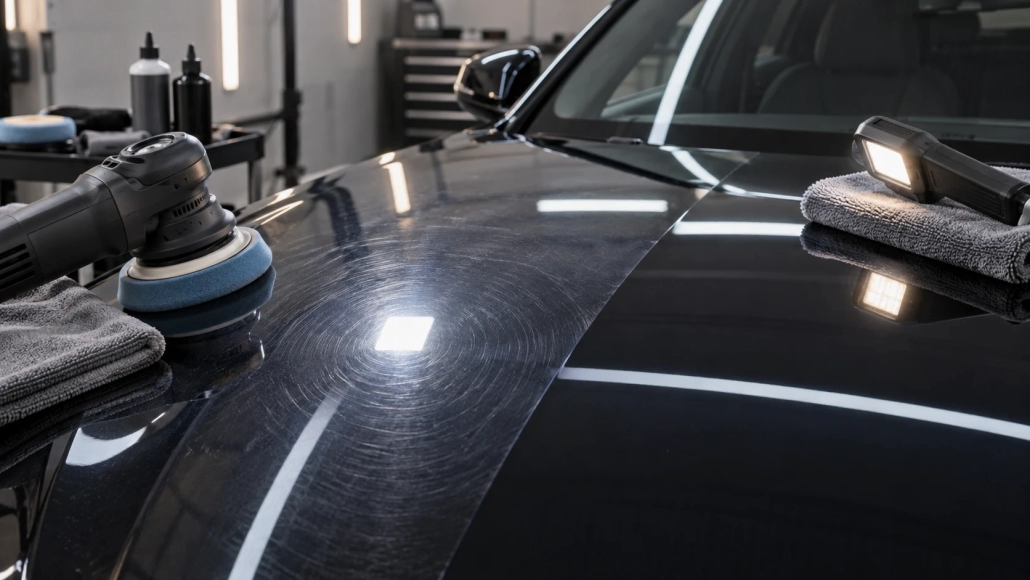
Dull paint is not a diagnosis by itself. Oxidation, contamination, polishing residue and failing clear coat can all affect appearance. Before choosing heavy cut compound, identify what the finish is and whether it is sound enough for abrasive correction.
Single-stage paint and basecoat/clear-coat systems should not be treated as identical. Colour transfer during work may have a different meaning depending on the system. Unknown paint, previous repairs and fragile finishes require a cautious assessment.
Peeling, cracking or exposed underlying layers are not restored by adding more compound. Abrasive treatment cannot rebuild missing clear coat. When failure is evident, refer the surface for appropriate refinishing advice.
Remove suitable contamination using compatible methods, then inspect dry paint. A layer of road film or residue can exaggerate the apparent need for correction. Do not use heavy compound as a substitute for identifying and cleaning deposits.
Record the starting appearance and any vulnerable areas. Old or neglected paint does not automatically have a generous correction allowance.
Choose a product approved for the identified finish. Compare the test after residue removal, looking for actual improvement and any signs of instability. Start with a suitable milder process before deciding stronger correction is justified.
If the pad changes unexpectedly, the paint behaves inconsistently or the surface shows damage, stop and reassess. Do not interpret every visible colour change or sudden shine as a successful restoration.
Where correction is appropriate, test the final refinement and protection sequence as part of the same decision. A dramatic first improvement is not enough if the result depends on residue or if the surface cannot support the planned treatment.
Explain what has improved and what remains limited by the existing paint condition. Protection and careful care can support the maintained finish, but they do not turn failed paint into a structurally sound coating system.
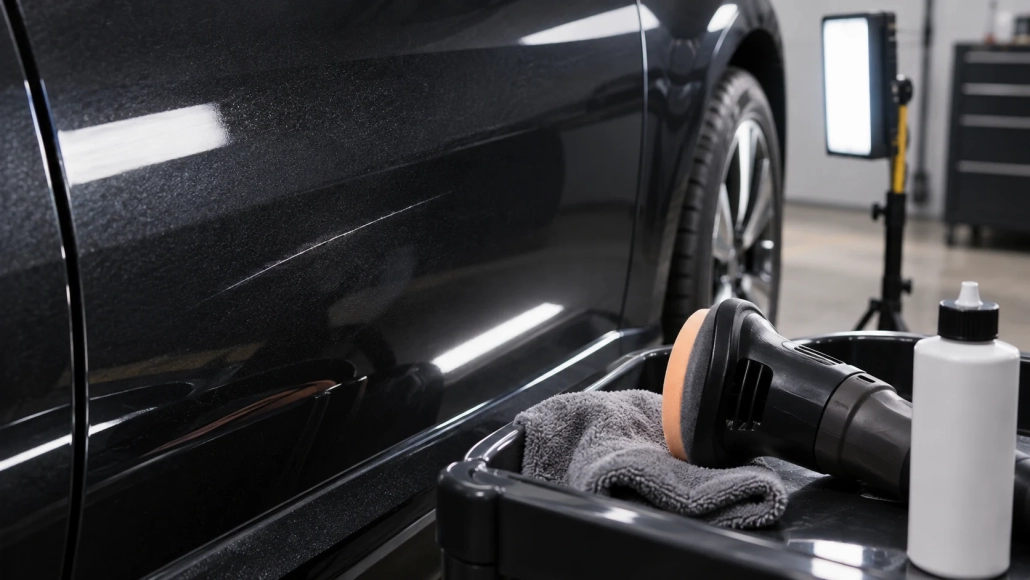
Learn when a heavy cut compound belongs in a paint correction plan and how to evaluate cutting performance, refinement and paint preservation together.
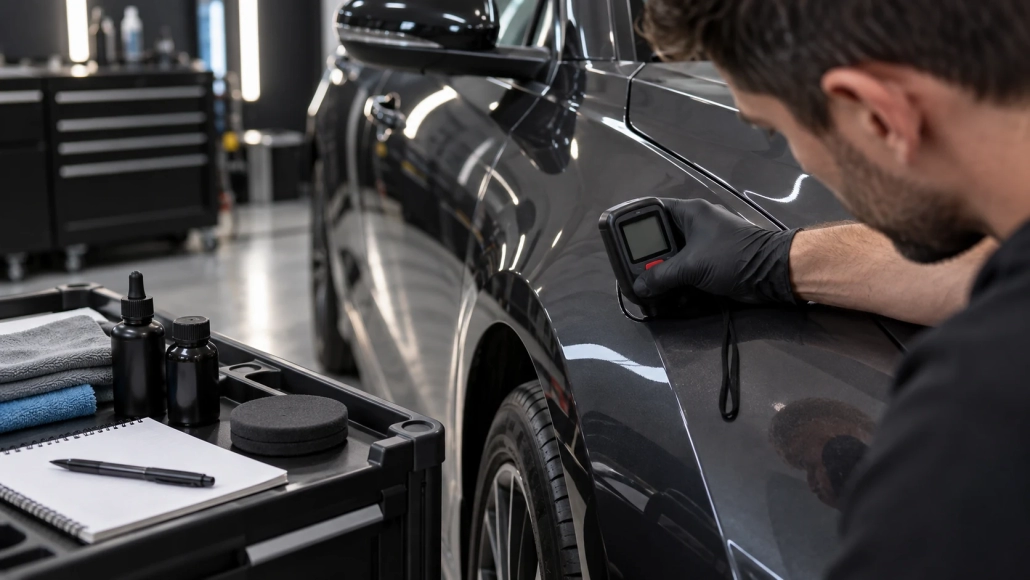
Build a fair comparison of heavy cut compounds using equivalent defects, supported pads, consistent inspection and total correction-to-finish time.
Set a paint-correction stopping point that balances appearance, remaining defects, paint condition and the customer's intended use.

 How to Compare Heavy Cut Compounds in a Workshop Test