






A full polishing range.
From cutting and one-step correction to final finishing.
Specialist chemistry. Expert application.
 QUARTZ99 / CERAMIC BASE COAT
The foundation of your coating system.
A layerable quartz base coat designed for mechanical protection. Pair it with a suitable top coat to create the final finish.
For application by NANOLAB certified installers only.
Four formulas. Extended working time. Find the coating for your finish.
Explore the BEAST family of ceramic coatings.
Find the coating for each exterior surface.
 PPF & VINYLGLOSSProtection for glossy films and wraps.Discover
 MATTE & SATINMATTEProtection that respects the finish.Discover
 GLASSWINDOWSExplore dedicated glass protection.Discover
 WHEEL PROTECTIONWHEELSA dedicated coating for your wheels.Discover
 TRIM PROTECTIONPLASTICProtection for plastic surfaces.Discover
Dedicated care for the surfaces inside.
 LEATHER SURFACESLEATHERDiscover NANOLAB leather protection.Discover PLASTIC SURFACESPLASTICProtection for interior plastic surfaces.Discover TEXTILE SURFACESFABRICExplore the latest fabric formulation.Discover
Spray protection, maintenance and upcoming wash products.
 MAINTENANCEBEAST 365Explore the BEAST maintenance range.Discover
Next in washing, cleaning & care.
Ceramic protection for boats and yachts.
An easy-to-apply ceramic coating with an established track record on boats and yachts around the world.
Results vary with surface preparation, exposure and maintenance.
Read 50 MARINE guides →Explore MARINEProtection for the surfaces you live with.
A look at what we’re developing.
From cutting and one-step correction to final finishing.
A wider range for professional vehicle care.
Taking shape alongside BEAST & MATRIX.
Practical guidance for your next coating project.
Explore all guides →
Build a fair comparison of heavy cut compounds using equivalent defects, supported pads, consistent inspection and total correction-to-finish time.
Updated · NANOLAB Knowledge
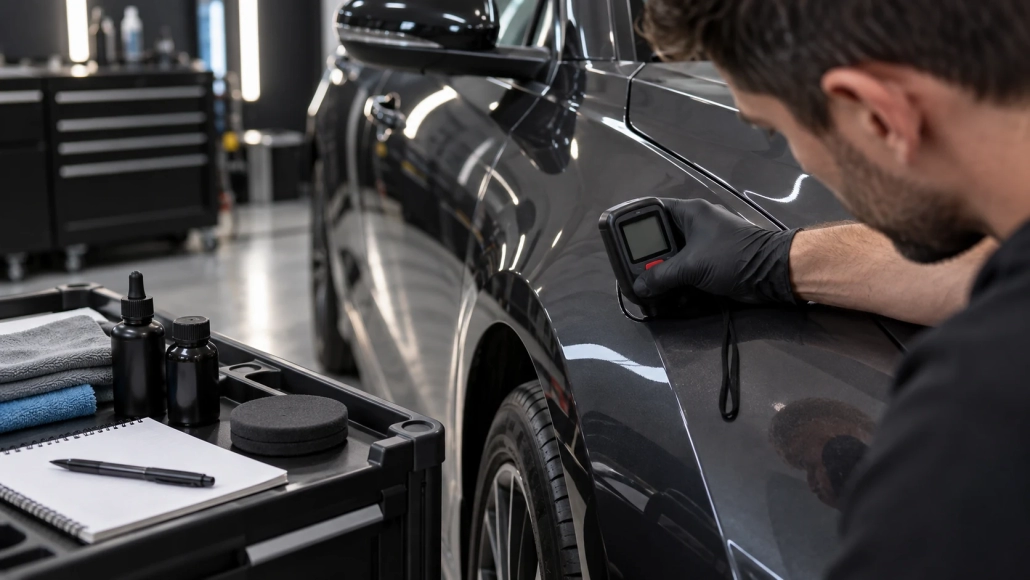
The best heavy cut compound for a studio is the one that performs reliably in its actual work. A fair comparison needs more than two products used on different cars. Define the test conditions and the finish standard before deciding which system is more efficient.
Decide whether you are comparing liquids on one approved pad or complete manufacturer systems. Those are different tests. If each supplier specifies a different pad, a complete-system comparison may be more relevant to purchasing than forcing both liquids onto the same pad.
Use equivalent areas with comparable starting defects. Separate original paint from repairs and record the known surface condition.
Use clean pads in similar condition and a repeatable inspection method. Record tool movement, section size, product application and working cycle. Follow each product’s supported directions rather than imposing an arbitrary identical cycle that disadvantages one system.
Photograph the starting area and cleaned result under the same light and exposure. Do not present a residue-covered result as the finished outcome.
Record machine time, pad cleaning, changes, wipe-off and any refinement needed. Also note dust, splatter and the practical effort required to remove residue from adjacent areas.
A system that cuts a little faster but creates significantly more cleanup or finishing work may not save labour. Conversely, a higher bottle price may be justified by a better complete process, but calculate it from observed use rather than assumptions.
State what was tested and where the result applies. One panel cannot represent every clear coat, climate or technician. Repeat on relevant paint types before standardising the studio’s process.
Keep rejected results and the reasons for rejection. A purchasing record that says a combination failed to finish a particular sensitive paint is more actionable than a vague ranking of compounds from strongest to weakest. Choose evidence you can repeat, not the most impressive unqualified claim.
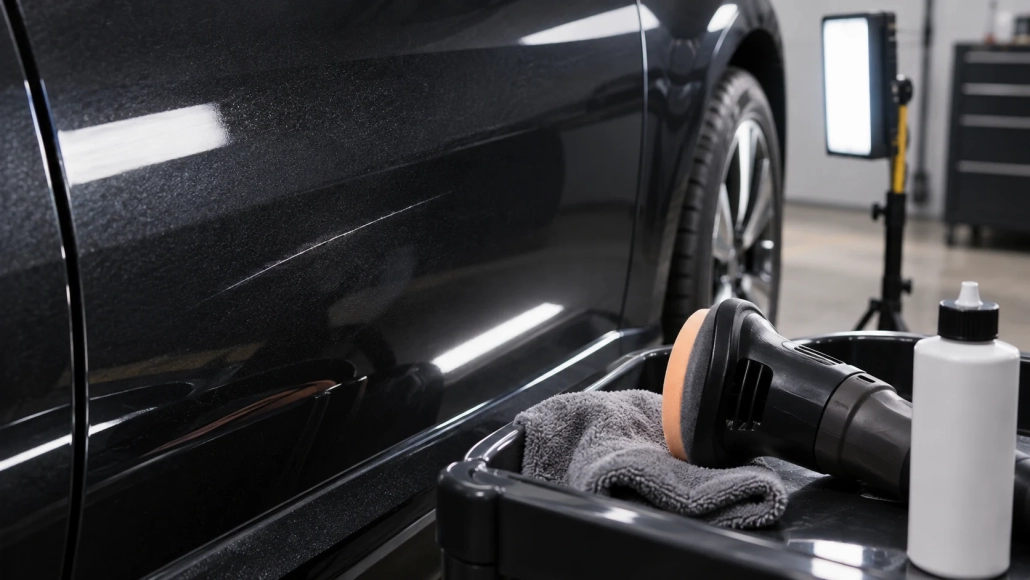
Learn when a heavy cut compound belongs in a paint correction plan and how to evaluate cutting performance, refinement and paint preservation together.
Know when another compounding cycle is productive and when pad loading, poor movement or defect depth calls for a different decision.
Understand what a paint gauge can measure, where its limits matter and why readings should support rather than replace surface assessment.

 Repeating Compounding Cycles: When to Reassess the Process