






A full polishing range.
From cutting and one-step correction to final finishing.
Specialist chemistry. Expert application.
 QUARTZ99 / CERAMIC BASE COAT
The foundation of your coating system.
A layerable quartz base coat designed for mechanical protection. Pair it with a suitable top coat to create the final finish.
For application by NANOLAB certified installers only.
Four formulas. Extended working time. Find the coating for your finish.
Explore the BEAST family of ceramic coatings.
Find the coating for each exterior surface.
 PPF & VINYLGLOSSProtection for glossy films and wraps.Discover
 MATTE & SATINMATTEProtection that respects the finish.Discover
 GLASSWINDOWSExplore dedicated glass protection.Discover
 WHEEL PROTECTIONWHEELSA dedicated coating for your wheels.Discover
 TRIM PROTECTIONPLASTICProtection for plastic surfaces.Discover
Dedicated care for the surfaces inside.
 LEATHER SURFACESLEATHERDiscover NANOLAB leather protection.Discover PLASTIC SURFACESPLASTICProtection for interior plastic surfaces.Discover TEXTILE SURFACESFABRICExplore the latest fabric formulation.Discover
Spray protection, maintenance and upcoming wash products.
 MAINTENANCEBEAST 365Explore the BEAST maintenance range.Discover
Next in washing, cleaning & care.
Ceramic protection for boats and yachts.
An easy-to-apply ceramic coating with an established track record on boats and yachts around the world.
Results vary with surface preparation, exposure and maintenance.
Read 50 MARINE guides →Explore MARINEProtection for the surfaces you live with.
A look at what we’re developing.
From cutting and one-step correction to final finishing.
A wider range for professional vehicle care.
Taking shape alongside BEAST & MATRIX.
Practical guidance for your next coating project.
Explore all guides →
Decide whether a cutting stage needs further polishing by checking clean paint for haze, trails and remaining defects under consistent lighting.
Updated · NANOLAB Knowledge
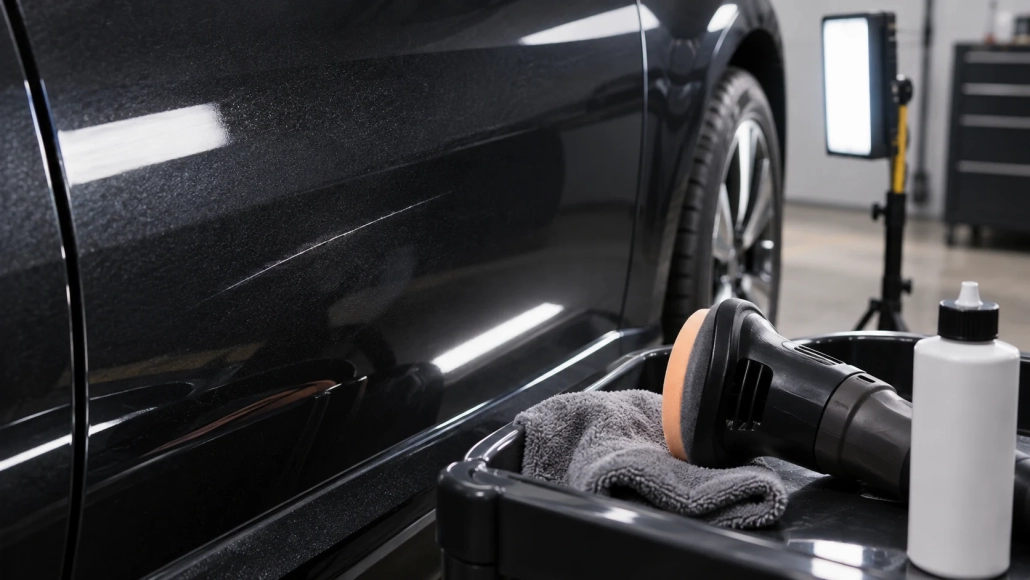
A cutting compound does not always require the same follow-up on every paint, but the final finish must be checked. The right question is whether the cutting combination leaves the agreed clear surface after proper residue removal. The product name cannot answer that alone.
Look for two categories of marks: original defects that remain and fine marks introduced by the correction process. A strong cut can reduce deeper damage while leaving a uniform haze or directional trails.
Use a compatible inspection process and more than one viewing angle. Broad overhead lighting can make a panel look acceptable while a directional source reveals a different result.
If the surface needs improvement, use a clean supported finishing pad and suitable polish on part of the corrected test area. Compare the refined and unrefined sections after identical cleanup.
The test should show a useful gain in clarity without introducing wipe marks or new haze. If the finer stage changes little, investigate whether the visible issue is residue, deeper damage, paint texture or a problem created during wiping.
Some systems can produce an acceptable finish in one cutting stage on certain paints. That does not establish the same result on a different colour, repair or pad combination. A manufacturer may also specify refinement as part of the intended process; follow that guidance.
Likewise, an automatic extra stage is not evidence of quality when the accepted finish has already been achieved and no further benefit is demonstrated.
Complete both the cutting and possible refining tests before working around the whole car. This lets you estimate labour, pad supply and the actual finish the service can deliver.
Record the inspection conditions and keep using them. The stopping decision should remain tied to the clean surface and the agreed result, not to how many bottles the technician expected to use at the start.
Learn when a heavy cut compound belongs in a paint correction plan and how to evaluate cutting performance, refinement and paint preservation together.
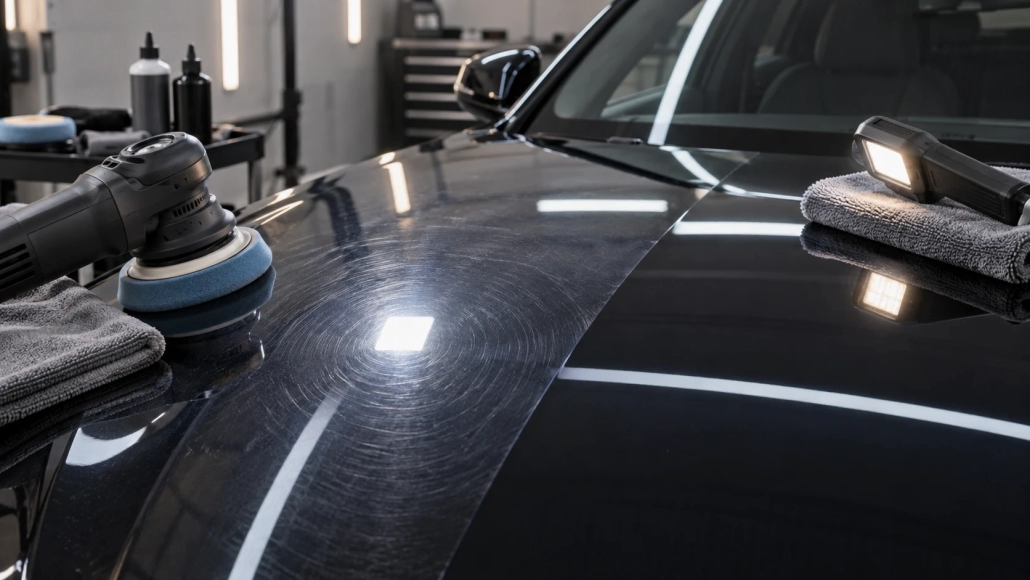
Assess dull oxidised paint before compounding and distinguish a correctable surface from clear-coat failure or a finish needing specialist restoration.
Assess an isolated paint scratch by its location, paint history and response to a conservative test instead of chasing complete removal.

 Heavy Cut Compound for Oxidation: Check the Paint System First