






A full polishing range.
From cutting and one-step correction to final finishing.
Specialist chemistry. Expert application.
 QUARTZ99 / CERAMIC BASE COAT
The foundation of your coating system.
A layerable quartz base coat designed for mechanical protection. Pair it with a suitable top coat to create the final finish.
For application by NANOLAB certified installers only.
Four formulas. Extended working time. Find the coating for your finish.
Explore the BEAST family of ceramic coatings.
Find the coating for each exterior surface.
 PPF & VINYLGLOSSProtection for glossy films and wraps.Discover
 MATTE & SATINMATTEProtection that respects the finish.Discover
 GLASSWINDOWSExplore dedicated glass protection.Discover
 WHEEL PROTECTIONWHEELSA dedicated coating for your wheels.Discover
 TRIM PROTECTIONPLASTICProtection for plastic surfaces.Discover
Dedicated care for the surfaces inside.
 LEATHER SURFACESLEATHERDiscover NANOLAB leather protection.Discover PLASTIC SURFACESPLASTICProtection for interior plastic surfaces.Discover TEXTILE SURFACESFABRICExplore the latest fabric formulation.Discover
Spray protection, maintenance and upcoming wash products.
 MAINTENANCEBEAST 365Explore the BEAST maintenance range.Discover
Next in washing, cleaning & care.
Ceramic protection for boats and yachts.
An easy-to-apply ceramic coating with an established track record on boats and yachts around the world.
Results vary with surface preparation, exposure and maintenance.
Read 50 MARINE guides →Explore MARINEProtection for the surfaces you live with.
A look at what we’re developing.
From cutting and one-step correction to final finishing.
A wider range for professional vehicle care.
Taking shape alongside BEAST & MATRIX.
Practical guidance for your next coating project.
Explore all guides →
Turn a promising coating demonstration into a credible confirmation trial with fixed endpoints, independent panels and clear decision rules.
Updated · NANOLAB Knowledge
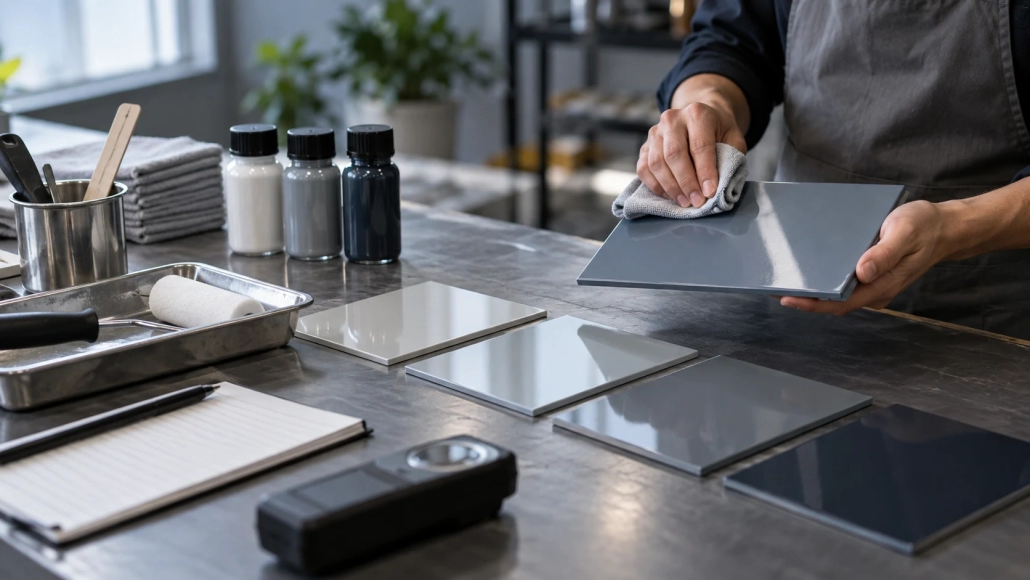
An exploratory test helps discover a promising product or process. A confirmatory trial asks whether the apparent advantage survives a planned repeat. Mixing those stages encourages selective reporting because the same observations are used both to invent and to prove the claim.
Write one main decision in plain language, such as whether a candidate coating reduces accepted levelling time on the intended glossy finish. Define the substrate, preparation, application instructions, cure stage and inspection method. Name the comparison product or existing process and explain why it is relevant.
Use new samples rather than only remeasuring the panels that looked best during exploration. Where the decision covers multiple operators or batches, include them deliberately. More readings on one successful panel cannot provide that coverage.
Unexpected observations are worth recording. If a candidate unexpectedly improves residue removal, label that as a secondary or exploratory finding unless it was part of the original question. Do not replace an unsuccessful primary outcome with the most flattering newly discovered result.
A workshop’s first demonstration suggests easier wipe-off. Its confirmation trial measures complete application and inspection time, not just the first towel pass. It also records rework, final appearance and operator comments. If the wipe itself is faster but inspection takes longer, the workshop learns whether the complete service actually improves.
Keep the raw observations and deviations with the final summary. If the result is inconclusive, state what additional sample coverage or better measurement would resolve it. An inconclusive trial can still prevent an expensive premature rollout.
A successful workshop trial supports the tested workflow and conditions. Wider claims need wider evidence. Use the confirmed result to plan a limited launch, training material and follow-up checkpoints rather than immediately turning one advantage into an unrestricted durability promise.
The sources below support the stated concepts or describe their own methods. The worked scenarios are editorial examples, not NANOLAB test results.
Discuss your private-label coating project. For application and care, use the current instructions for the exact product.
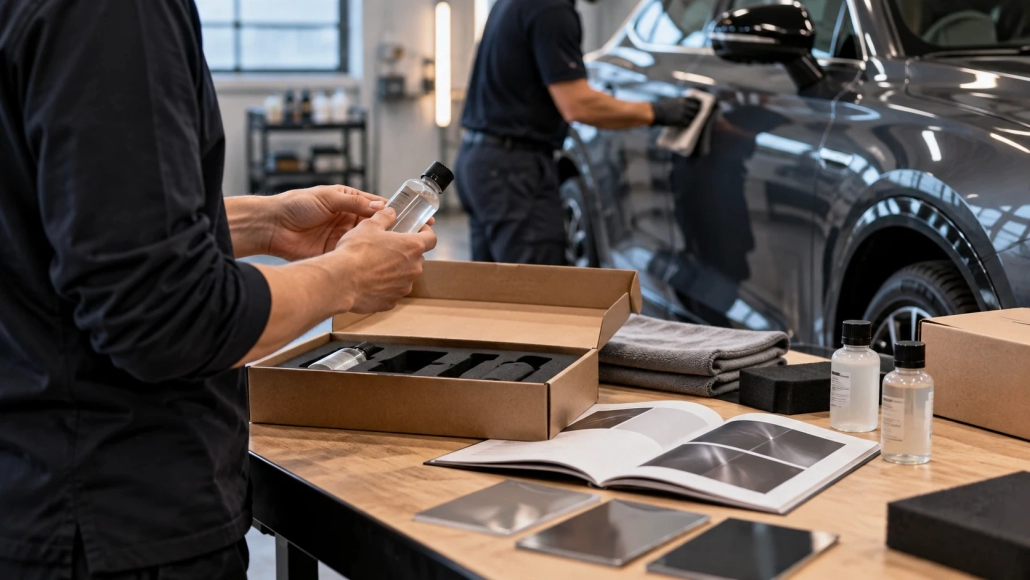
Design a coating field trial with recorded vehicles, use patterns, care routines and inspection points that produce interpretable feedback.
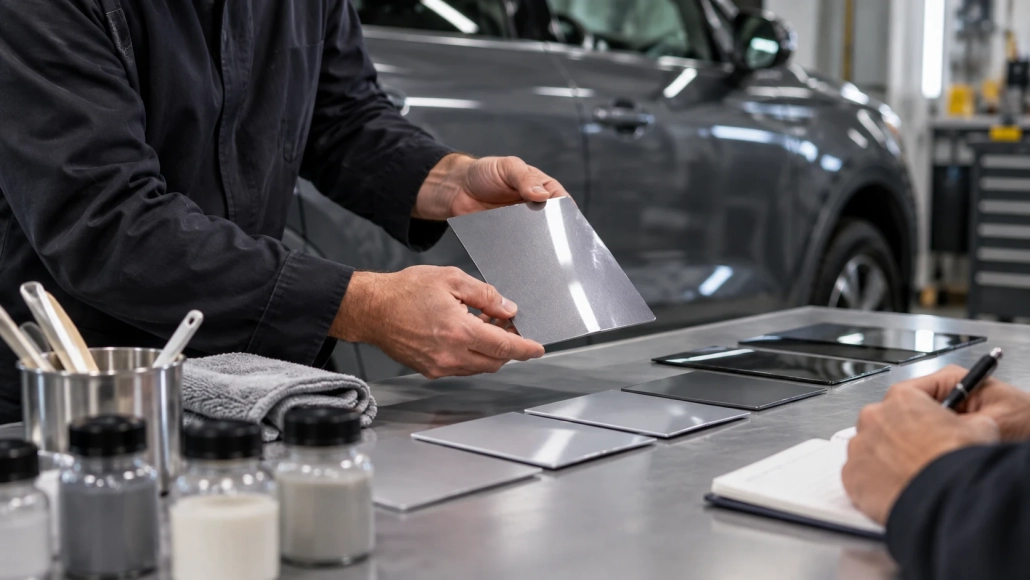
Collect useful private label coating feedback from distributors without confusing application issues, packaging faults and product expectations.

Choose the experimental unit before a fleet coating trial so repeated readings do not create an inflated impression of evidence.
 Measuring Coating Levelling Effort with a Repeatable Wipe Protocol