
A full polishing range.
From cutting and one-step correction to final finishing.
Specialist chemistry. Expert application.
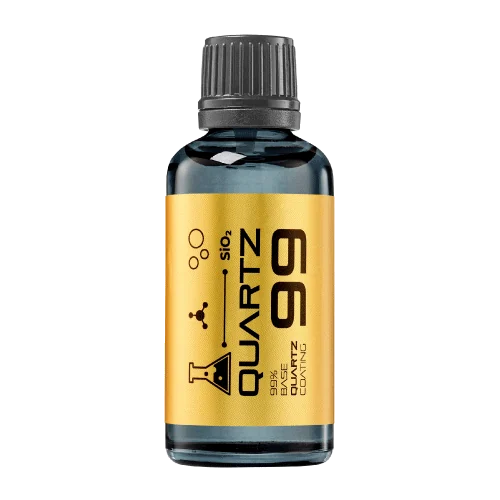 QUARTZ99 / CERAMIC BASE COAT
The foundation of your coating system.
A layerable quartz base coat designed for mechanical protection. Pair it with a suitable top coat to create the final finish.
For application by NANOLAB certified installers only.
Four formulas. Extended working time. Find the coating for your finish.
Explore the BEAST family of ceramic coatings.
Find the coating for each exterior surface.
 PPF & VINYLGLOSSProtection for glossy films and wraps.Discover
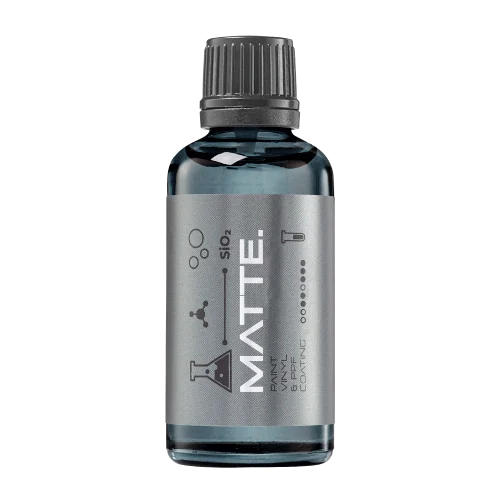 MATTE & SATINMATTEProtection that respects the finish.Discover
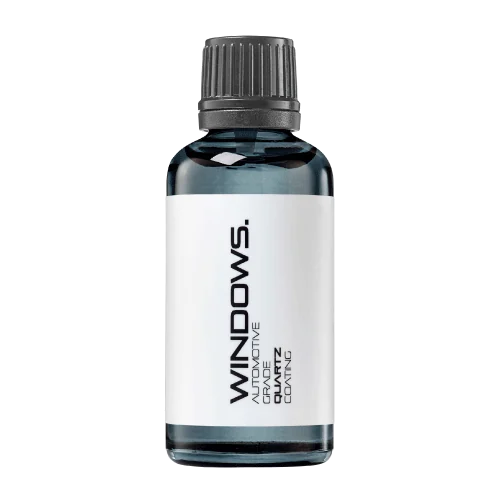 GLASSWINDOWSExplore dedicated glass protection.Discover
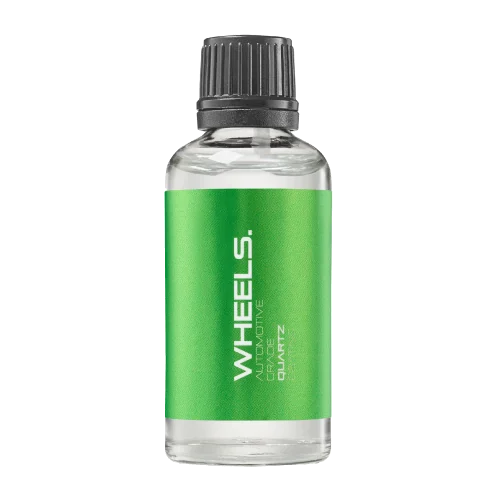 WHEEL PROTECTIONWHEELSA dedicated coating for your wheels.Discover
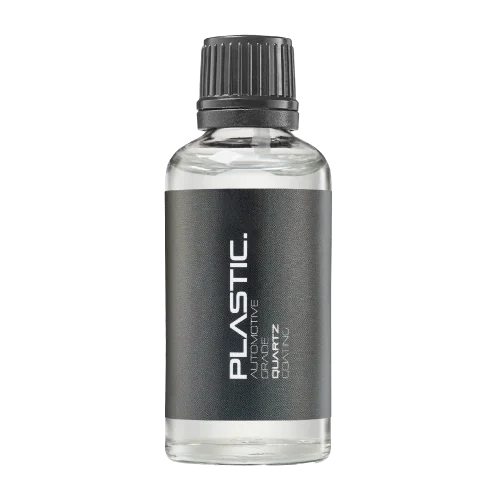 TRIM PROTECTIONPLASTICProtection for plastic surfaces.Discover
Dedicated care for the surfaces inside.
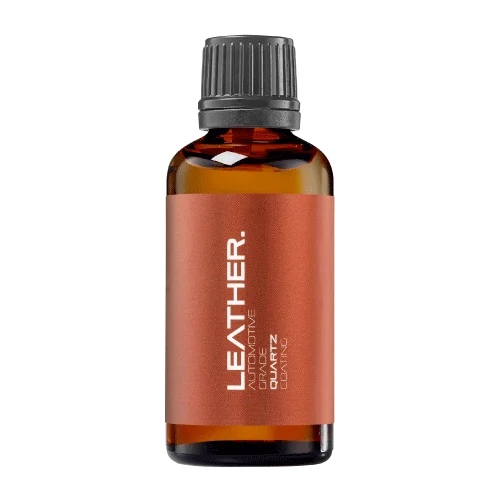 LEATHER SURFACESLEATHERDiscover NANOLAB leather protection.Discover PLASTIC SURFACESPLASTICProtection for interior plastic surfaces.Discover TEXTILE SURFACESFABRICExplore the latest fabric formulation.Discover
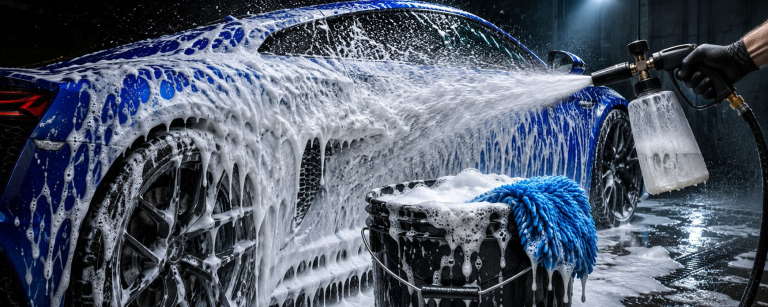 Preview all six shampoos →
Spray protection, maintenance and upcoming wash products.
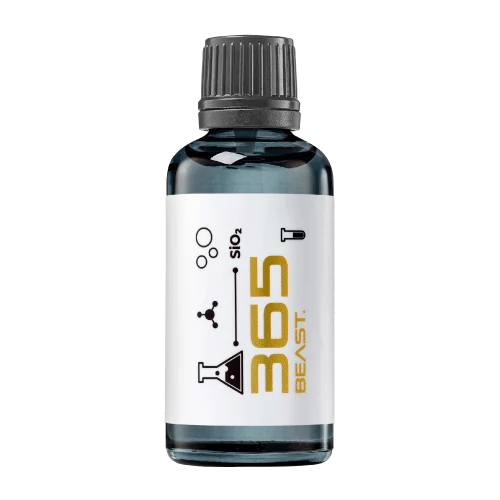 MAINTENANCEBEAST 365Explore the BEAST maintenance range.Discover
Next in washing, cleaning & care.
Ceramic protection for boats and yachts.
An easy-to-apply ceramic coating with an established track record on boats and yachts around the world.
Results vary with surface preparation, exposure and maintenance.
Read 50 MARINE guides →Explore MARINEProtection for the surfaces you live with.
A look at what we’re developing.
From cutting and one-step correction to final finishing.
A wider range for professional vehicle care.
Taking shape alongside BEAST & MATRIX.
Practical guidance for your next coating project.
Explore all guides →
Distinguish solubility-related cold haze from cloud-point phase separation. Use a controlled observation sheet before changing a car-care formulation.
Updated · NANOLAB Knowledge
A cloudy shampoo sample does not identify its own failure mechanism. Krafft behaviour and cloud-point behaviour describe different phenomena, and neither label should be assigned from a single photograph. Record the composition, temperature path and physical appearance before deciding what to change.
IUPAC defines the Krafft point as the temperature region where surfactant solubility rises sharply and reaches the critical micelle concentration. Its cloud-point definition concerns the onset of visible turbidity associated with phase separation; temperature or composition can produce it, and the observed temperature can depend on the heating or cooling rate.
| Question | Krafft investigation | Cloud-point investigation |
|---|---|---|
| What is being investigated? | Surfactant solubility and micellization | Onset of turbidity from phase separation |
| Useful observation | Solids or haze changing as temperature changes | First persistent cloudiness under a defined temperature path |
| What is insufficient? | A clear sample at one temperature | An unexplained cloudy bottle |
| What must accompany the result? | Exact composition and equilibrating procedure | Exact composition, rate and endpoint definition |
In practice, cold crystallization in some ionic surfactant systems and heating-related clouding in some nonionic systems are useful hypotheses. They are not a rule that assigns every cold haze to one mechanism and every warm haze to the other.
Start with the approved base, the changed formula and the relevant raw-material information. If haze appeared after a fragrance change, include the previous fragrance version and a fragrance-free control where technically meaningful. A complete formula change compared only with water leaves too many possible causes.
Do not heat a solvent-containing or otherwise unsuitable product in general-purpose equipment. The laboratory must select conditions compatible with the product safety information.
Imagine that the original base stays clear, while a fragranced variant develops haze during cooling and clears after returning to the starting temperature. This supports investigating the fragrance-containing system under that temperature path. It does not prove the raw surfactant’s Krafft temperature, establish microbial cleanliness or show that months of storage will be acceptable.
Next compare controlled fragrance levels and appropriate component controls, rather than immediately adding a solubilizer. Use a fragrance compatibility matrix to keep appearance, dispensing and wash performance together.
Change it when the evidence identifies an unacceptable behaviour under the intended storage or use conditions, and then repeat the relevant checks. A clarity improvement that damages cleaning, packaging or rinsing is not a completed solution. Keep the raw observations even if the working diagnosis changes.
Definitions: IUPAC Krafft point and cloud point. Related reading: cloud point in nonionic surfactants.