
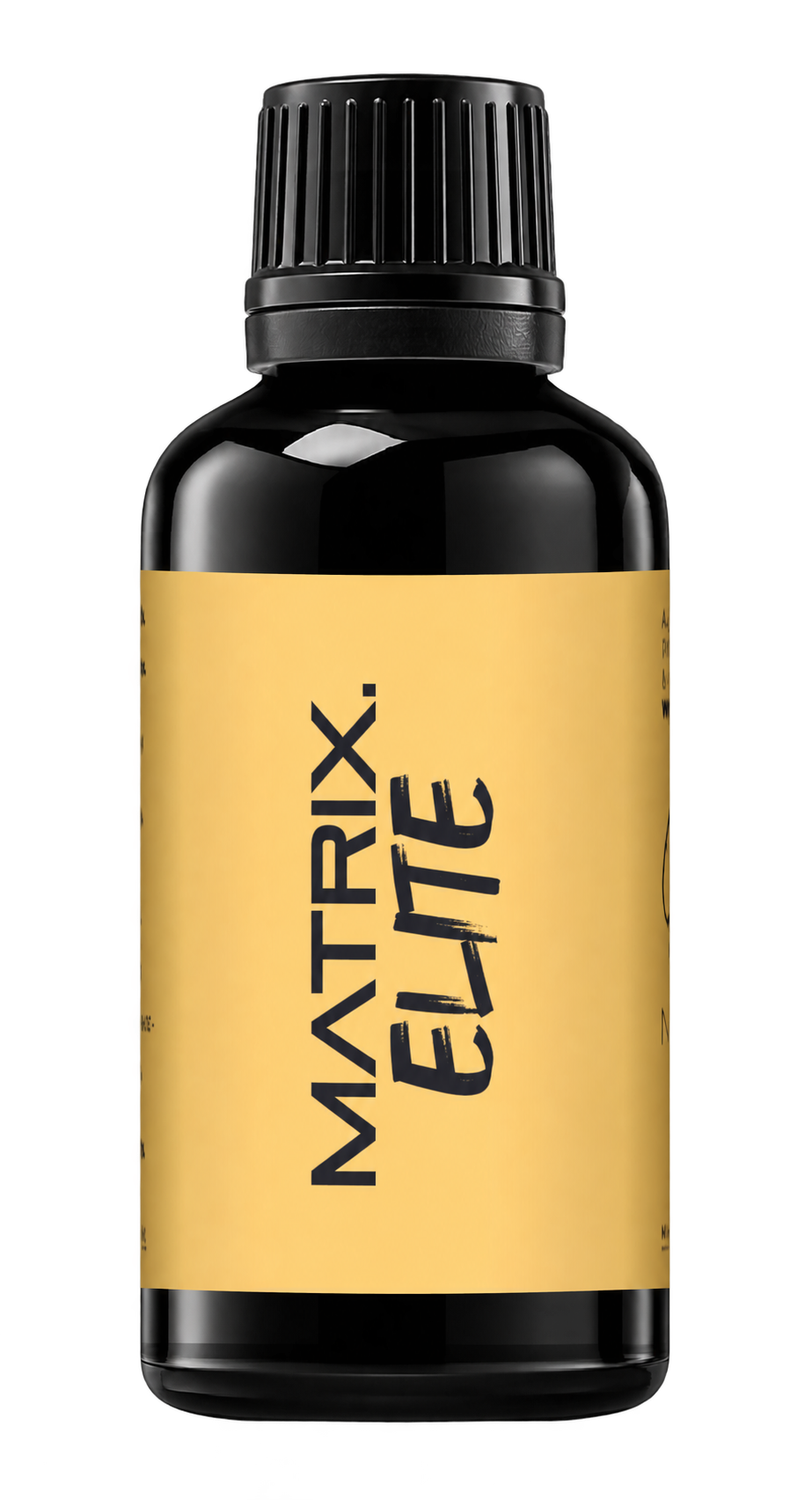
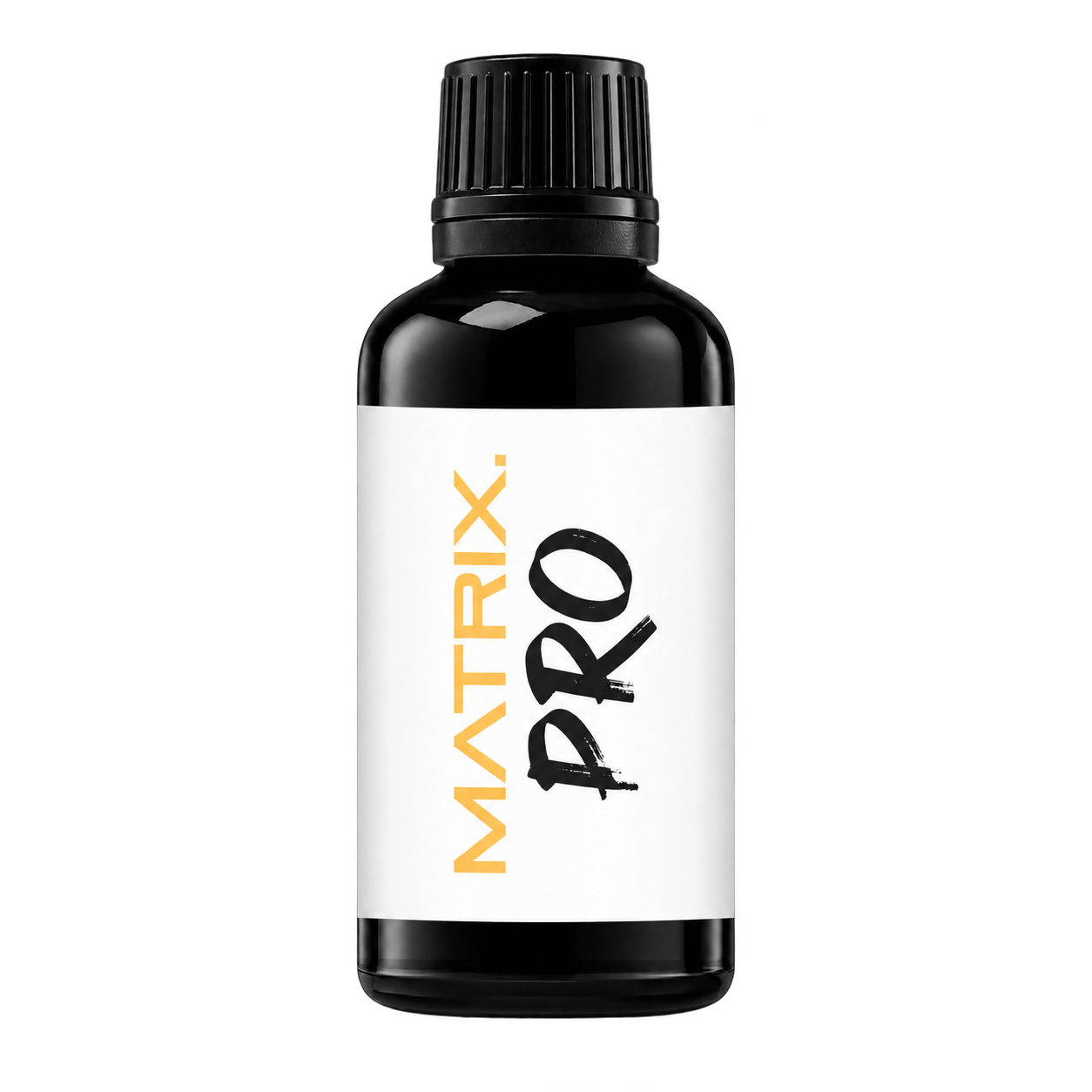
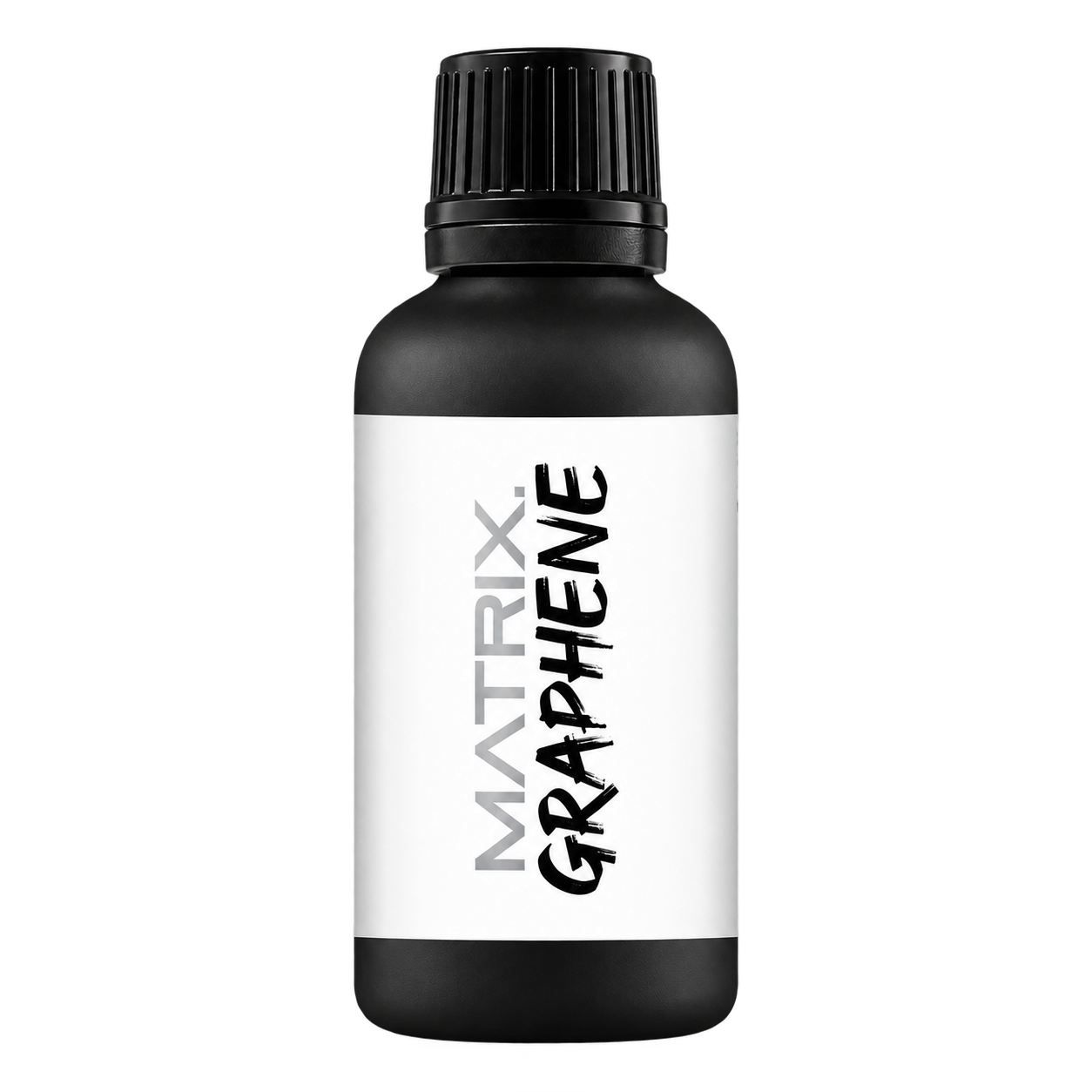
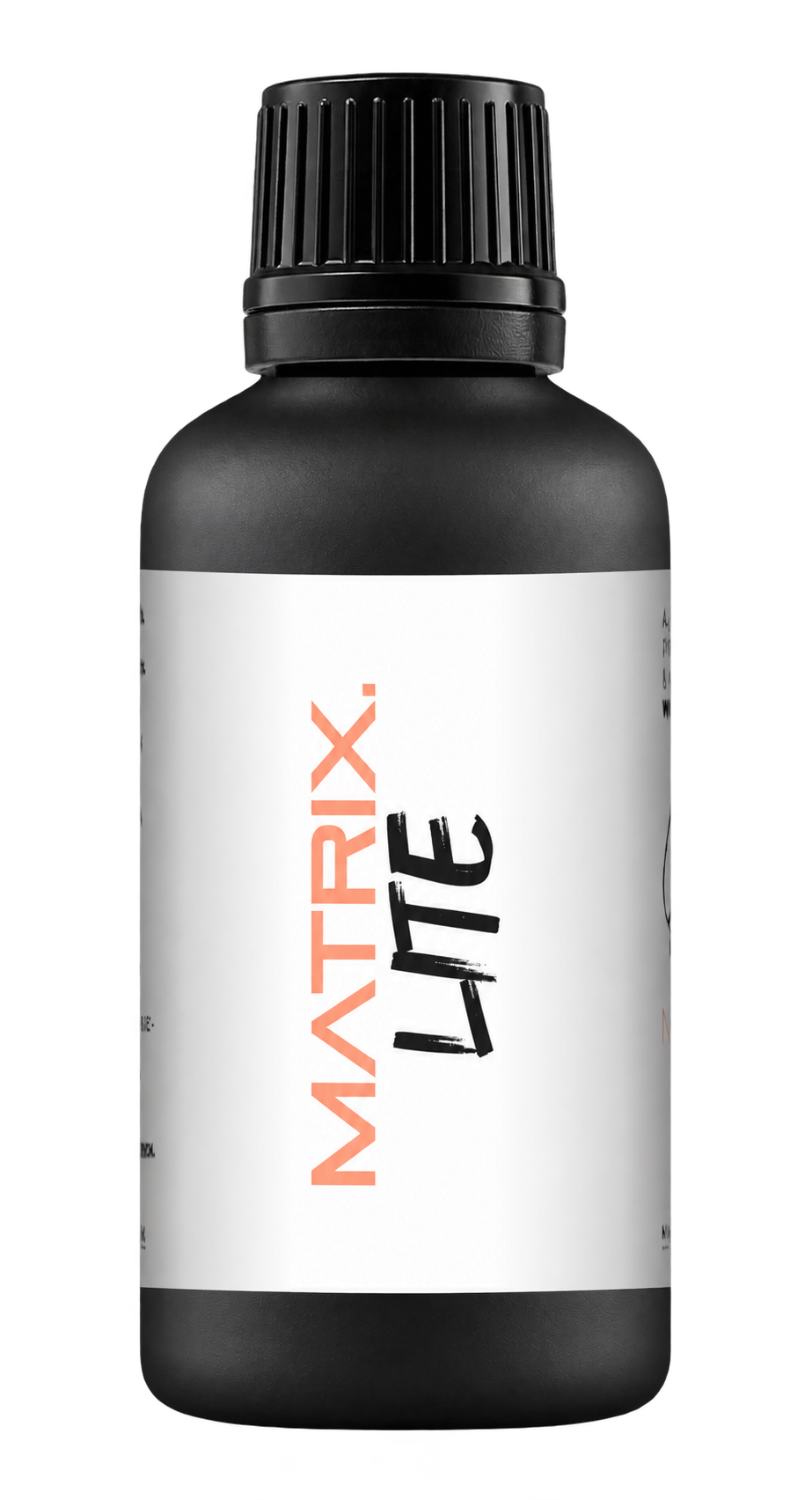
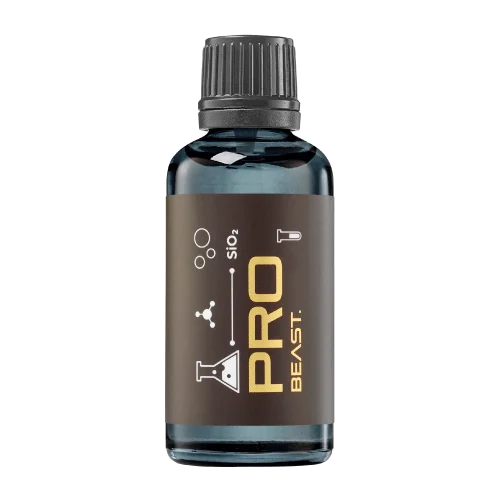
A full polishing range.
From cutting and one-step correction to final finishing.
Specialist chemistry. Expert application.
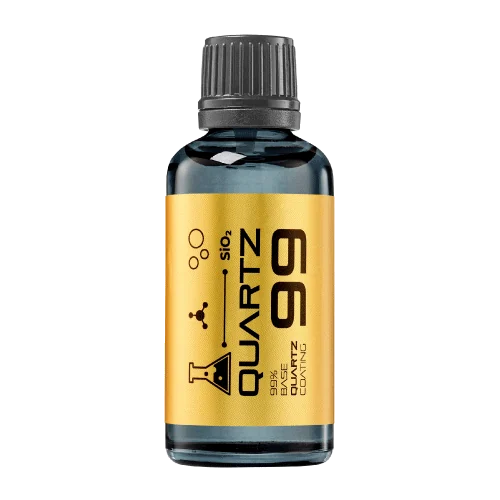 QUARTZ99 / CERAMIC BASE COAT
The foundation of your coating system.
A layerable quartz base coat designed for mechanical protection. Pair it with a suitable top coat to create the final finish.
For application by NANOLAB certified installers only.
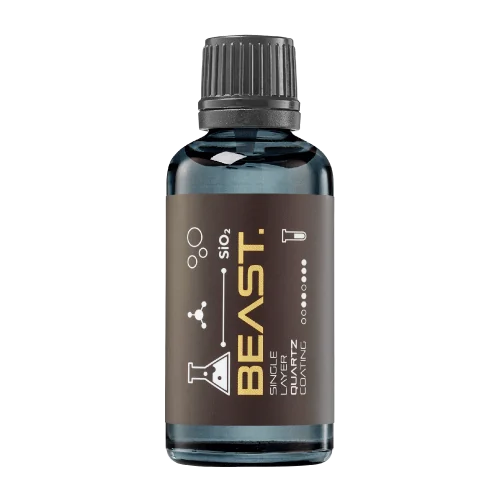
Four formulas. Extended working time. Find the coating for your finish.
Explore the BEAST family of ceramic coatings.
Find the coating for each exterior surface.
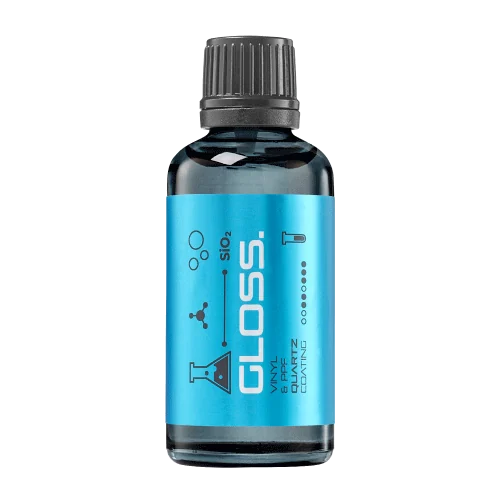 PPF & VINYLGLOSSProtection for glossy films and wraps.Discover
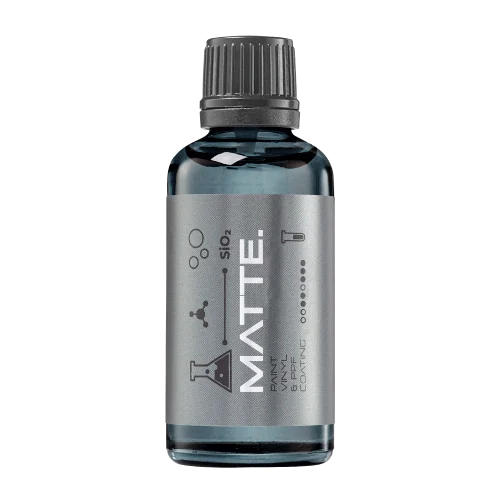 MATTE & SATINMATTEProtection that respects the finish.Discover
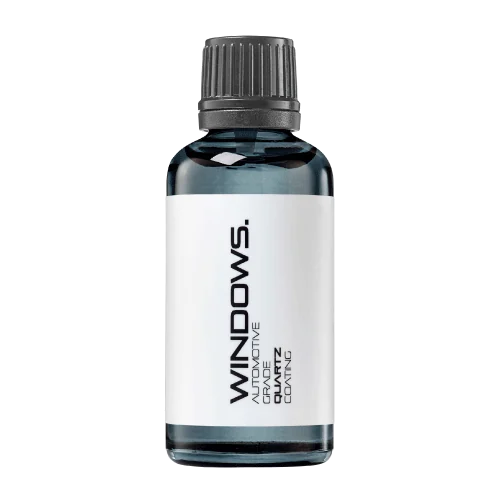 GLASSWINDOWSExplore dedicated glass protection.Discover
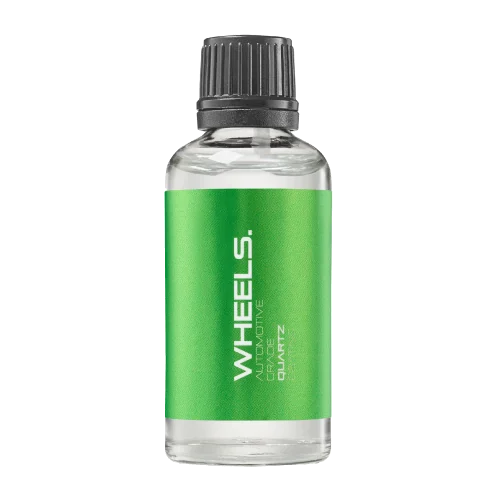 WHEEL PROTECTIONWHEELSA dedicated coating for your wheels.Discover
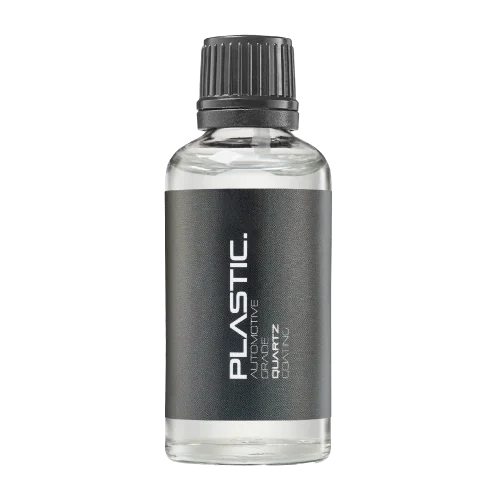 TRIM PROTECTIONPLASTICProtection for plastic surfaces.Discover
Dedicated care for the surfaces inside.
 LEATHER SURFACESLEATHERDiscover NANOLAB leather protection.Discover PLASTIC SURFACESPLASTICProtection for interior plastic surfaces.Discover TEXTILE SURFACESFABRICExplore the latest fabric formulation.Discover
 Preview all six shampoos →
Spray protection, maintenance and upcoming wash products.
 MAINTENANCEBEAST 365Explore the BEAST maintenance range.Discover
Next in washing, cleaning & care.
Ceramic protection for boats and yachts.
An easy-to-apply ceramic coating with an established track record on boats and yachts around the world.
Results vary with surface preparation, exposure and maintenance.
Read 50 MARINE guides →Explore MARINEProtection for the surfaces you live with.
A look at what we’re developing.
From cutting and one-step correction to final finishing.
A wider range for professional vehicle care.
Taking shape alongside BEAST & MATRIX.
Practical guidance for your next coating project.
Explore all guides →
Qualify fragrance variants against an unchanged base with checks for stability, packaging, dilution, dispensing and wash performance.
Updated · NANOLAB Knowledge
A new scent should be qualified in the complete car-shampoo formulation and intended package. Smelling a fragrance on a strip or seeing a freshly mixed clear sample is not enough. A useful compatibility study separates scent acceptance, physical stability, dispensing and wash performance so that one attractive attribute cannot hide a failure elsewhere.
Retain an unfragranced reference and document its raw-material lots, composition, pH and preparation method. Compare candidate scents against that reference using a written test plan. If a solubilizer or another supporting ingredient changes, record that as a formulation change rather than attributing every result to the scent alone.
The fragrance chapter of Beginning Cosmetic Chemistry, hosted by IFSCC, explains that fragrance can change viscosity, clarity and stability and should be assessed in the final package. Those general formulation considerations are relevant here; the cosmetic discussion is not proof that a particular scent is compatible with automotive finishes.
The following is a planning example, not a prescribed concentration or storage protocol. A formulator and fragrance supplier should select appropriate levels and conditions for the intended product.
| Sample family | Purpose | Keep identifiable |
|---|---|---|
| Unfragranced base | Shows the base formulation’s behavior | Base batch and package |
| Candidate A at selected levels | Checks whether the target scent can meet all requirements | Fragrance grade, lot and actual addition |
| Candidate B at selected levels | Provides an alternative evaluated on the same basis | The same identity and preparation information |
| Independent repeat preparations | Checks whether a promising result can be reproduced | Separate preparation dates and batch identifiers |
Keep final sample mass constant and account for any carrier or premix. Define appearance and performance criteria before reviewing the results. Otherwise, the preferred scent can influence how a borderline technical result is interpreted.
Keep observation times consistent and photograph samples against the same background. Do not hide separation by shaking immediately before inspection. If re-mixing is part of the intended use, record both the undisturbed condition and the result of that defined re-mixing procedure.
A concentrated shampoo may look acceptable in its bottle while its diluted mixture behaves differently. Prepare the intended use dilution with the relevant water supplies and inspect it through the realistic use period. Record whether any haze, floating material or residue appears and whether the prepared mixture still performs as intended.
Use separate, clean equipment for each candidate and code samples where practical. Scent can make full blinding difficult; at minimum, keep technical measurements independent from the preference discussion. Follow a consistent shampoo comparison process for cleaning and rinsing.
If a fragranced sample becomes hazy while the base stays clear, the fragrance addition is a useful lead, not a complete chemical diagnosis. Check the preparation record, actual concentration and temperature before changing the formulation. Ask the supplier whether a different fragrance version would suit the base rather than assuming more solubilizer is always the best remedy.
If viscosity changes, reassess the final fragranced system. If only one package shows a change, investigate the package interaction as well as the formulation. Do not translate a short accelerated screen directly into a shelf-life claim.
Release the defined combination of base, fragrance, color and package, with its acceptance evidence and current supplier documentation. A second scent is a separate variant to assess, even when the label design is identical. The broader branding choices are covered in color and fragrance in a private-label range.
For a NANOLAB development discussion, bring the target scent experience, intended wash method, market and package requirements. Technical qualification should determine which candidate can deliver that experience consistently.