
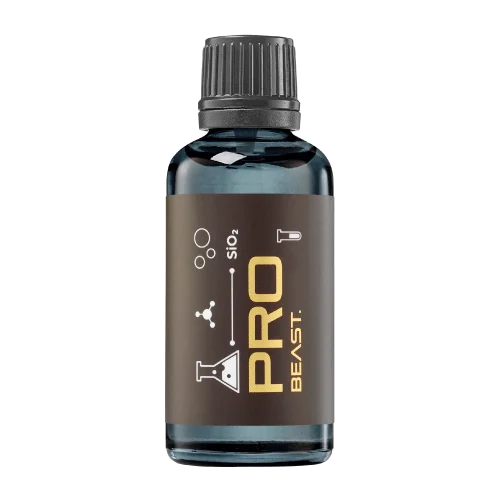
A full polishing range.
From cutting and one-step correction to final finishing.
Specialist chemistry. Expert application.
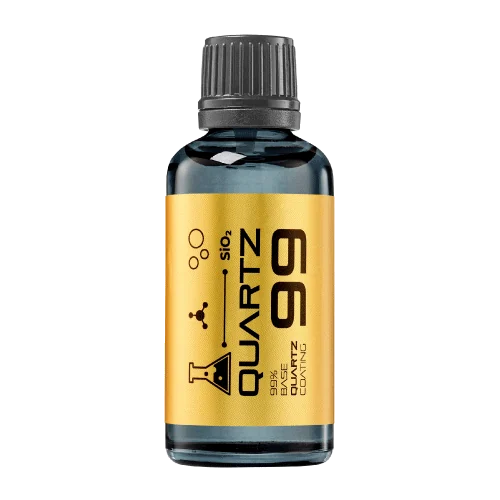 QUARTZ99 / CERAMIC BASE COAT
The foundation of your coating system.
A layerable quartz base coat designed for mechanical protection. Pair it with a suitable top coat to create the final finish.
For application by NANOLAB certified installers only.
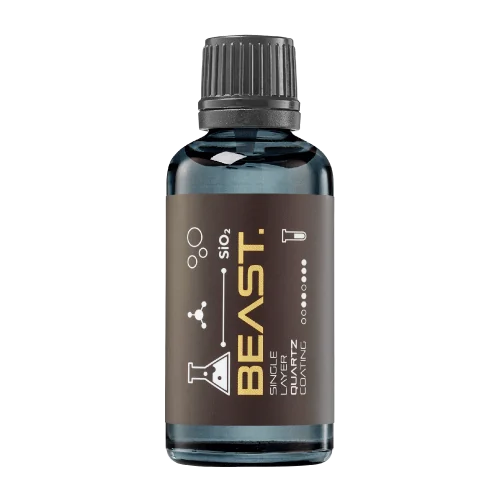
Four formulas. Extended working time. Find the coating for your finish.
Explore the BEAST family of ceramic coatings.
Find the coating for each exterior surface.
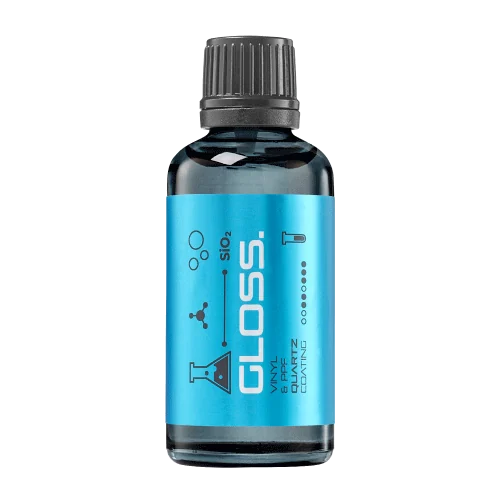 PPF & VINYLGLOSSProtection for glossy films and wraps.Discover
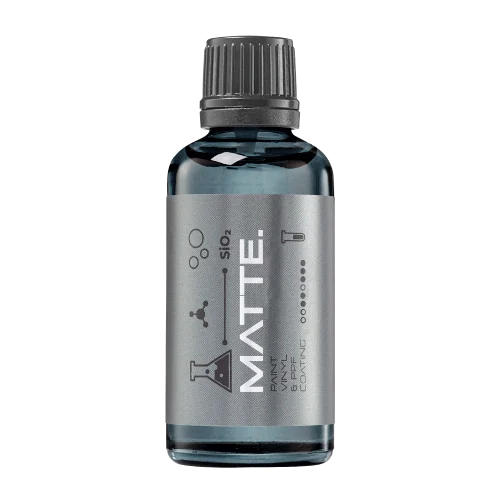 MATTE & SATINMATTEProtection that respects the finish.Discover
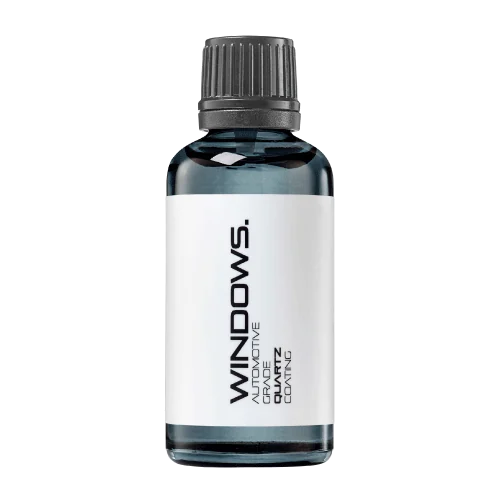 GLASSWINDOWSExplore dedicated glass protection.Discover
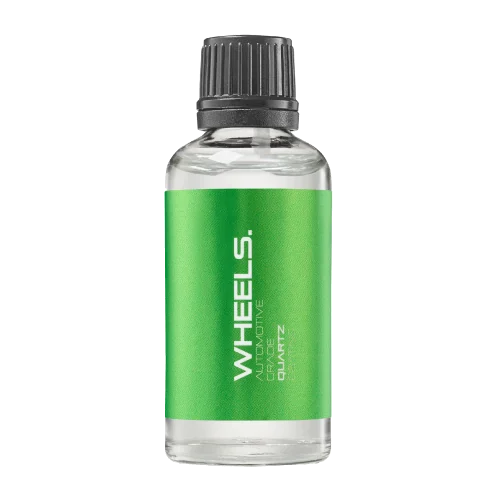 WHEEL PROTECTIONWHEELSA dedicated coating for your wheels.Discover
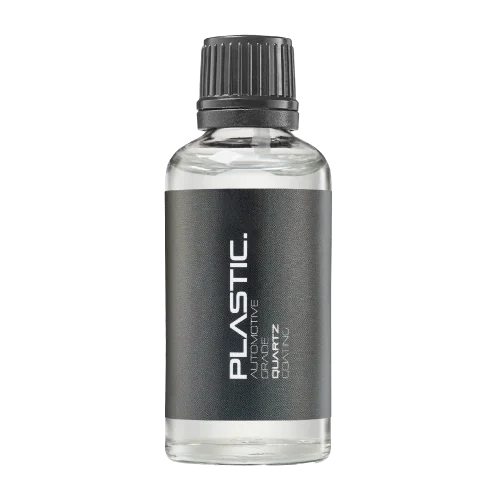 TRIM PROTECTIONPLASTICProtection for plastic surfaces.Discover
Dedicated care for the surfaces inside.
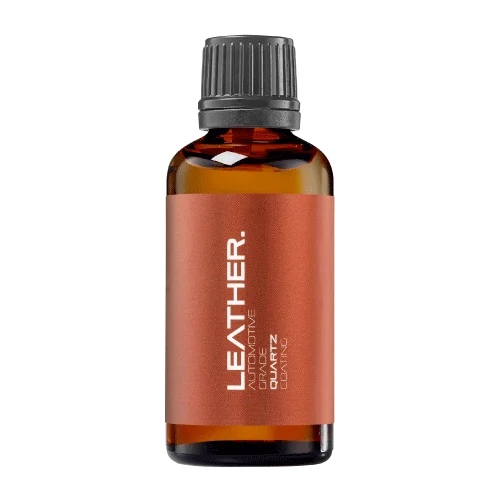 LEATHER SURFACESLEATHERDiscover NANOLAB leather protection.Discover PLASTIC SURFACESPLASTICProtection for interior plastic surfaces.Discover TEXTILE SURFACESFABRICExplore the latest fabric formulation.Discover
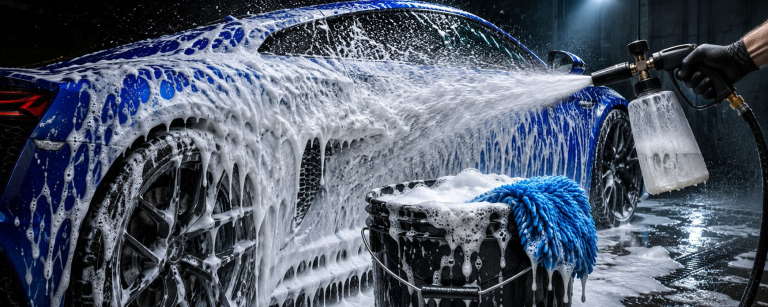 Preview all six shampoos →
Spray protection, maintenance and upcoming wash products.
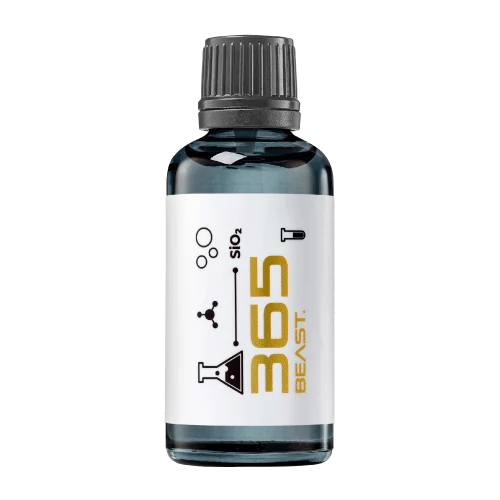 MAINTENANCEBEAST 365Explore the BEAST maintenance range.Discover
Next in washing, cleaning & care.
Ceramic protection for boats and yachts.
An easy-to-apply ceramic coating with an established track record on boats and yachts around the world.
Results vary with surface preparation, exposure and maintenance.
Read 50 MARINE guides →Explore MARINEProtection for the surfaces you live with.
A look at what we’re developing.
From cutting and one-step correction to final finishing.
A wider range for professional vehicle care.
Taking shape alongside BEAST & MATRIX.
Practical guidance for your next coating project.
Explore all guides →
Plan surfactant-blend experiments using a clear composition basis, fixed constraints and separate cleaning, rinsing and handling criteria.
Updated · NANOLAB Knowledge
When developing a car shampoo, changing one surfactant’s share necessarily changes something else’s share if total composition is fixed. A mixture experiment makes that constraint explicit. It can help explore cleaning, rinsing, foam and handling together without pretending that each ingredient percentage is an independent control.
Suppose a trial increases surfactant A but leaves every other charged mass unchanged. The final batch mass and the relative concentrations of the other ingredients change. If a second trial instead replaces water with A, it changes total active matter. These are different experiments and may answer different questions.
NIST’s explanation of mixture design identifies the sum-to-one constraint and distinguishes mixture proportions from additional process variables. Apply that distinction before generating a test matrix.
For an initial surfactant-blend comparison, a useful question might be: “At a fixed total surfactant-active content, which balance of the approved components meets the cleaning and rinsing criteria?” That differs from asking which total concentration is appropriate or which pH to use. Keep those variables fixed initially, or design an experiment that explicitly includes them.
Decide whether component proportions refer to as-supplied ingredients or active surfactant mass. If comparing active proportions, calculate the raw-material charges from their actual active fractions and balance their carrier water. Otherwise, a nominal blend-ratio comparison may unintentionally be a concentration comparison.
The table uses anonymous, already-approved components and represents their shares of the surfactant-active portion only. It is an illustration of bookkeeping, not a complete experimental design or a safe manufacturing recipe.
| Candidate | A share | B share | C share | Total share |
|---|---|---|---|---|
| Reference | 60% | 25% | 15% | 100% |
| More B | 50% | 35% | 15% | 100% |
| More C | 50% | 25% | 25% | 100% |
These three points alone cannot establish a reliable response surface or identify interactions across a broad formulation space. A statistician or experienced formulation scientist should select a design that can support the intended model, constraints and validation. Include repeat preparations and confirmation samples rather than spending every sample on a new composition.
Define ingredient compatibility, supplier restrictions, safe handling, pH limits, package requirements and manufacturing constraints first. The mathematical best point is irrelevant if it cannot be produced consistently or used as intended.
Set separate responses for:
Do not collapse these into a single score until the minimum acceptance limits are visible. A large foam score should not compensate for an unacceptable dry finish. The foam comparison guide explains why the observations need separate interpretation.
Run samples in a planned order, retain a reference and record relevant environmental and water conditions. If all A-rich samples are tested on one day and all C-rich samples on another, a day-to-day change may look like a formulation effect. Where testing must be grouped, account for that grouping in the design and analysis.
Multiple instrument readings from one prepared sample estimate something different from multiple independent preparations. Preserve both identifiers. A striking result from one cup is a candidate for confirmation.
Prepare fresh batches near the selected composition, check the predicted responses and investigate meaningful disagreement. Then assess the complete formulation with its final fragrance, color, package and process. A successful simplified surfactant blend is not automatically a validated retail shampoo.
Use the results to update the development brief with a supported formulation range and measurable acceptance criteria. Keep rejected compositions and their limitations in the record so future changes do not repeat the same unsuccessful experiments.