
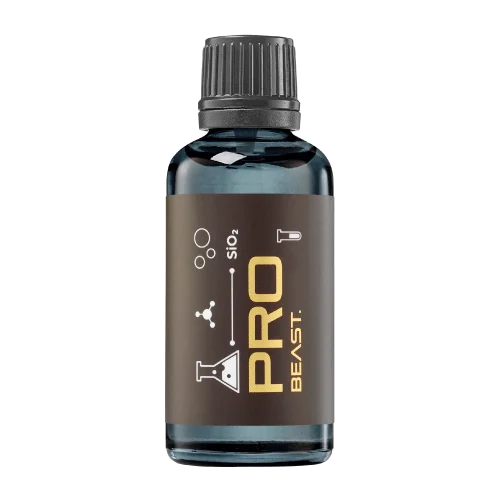
A full polishing range.
From cutting and one-step correction to final finishing.
Specialist chemistry. Expert application.
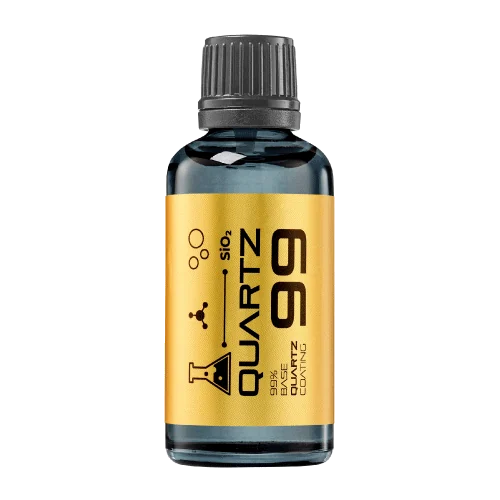 QUARTZ99 / CERAMIC BASE COAT
The foundation of your coating system.
A layerable quartz base coat designed for mechanical protection. Pair it with a suitable top coat to create the final finish.
For application by NANOLAB certified installers only.
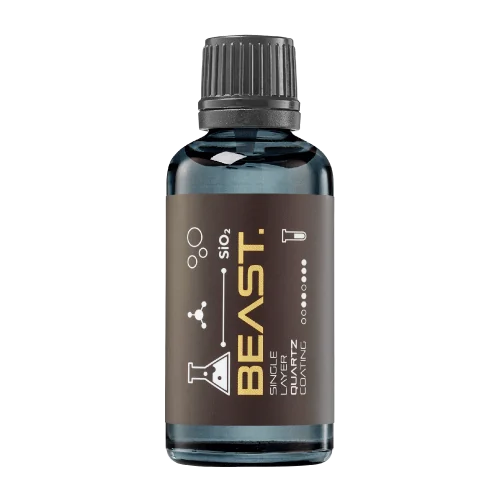
Four formulas. Extended working time. Find the coating for your finish.
Explore the BEAST family of ceramic coatings.
Find the coating for each exterior surface.
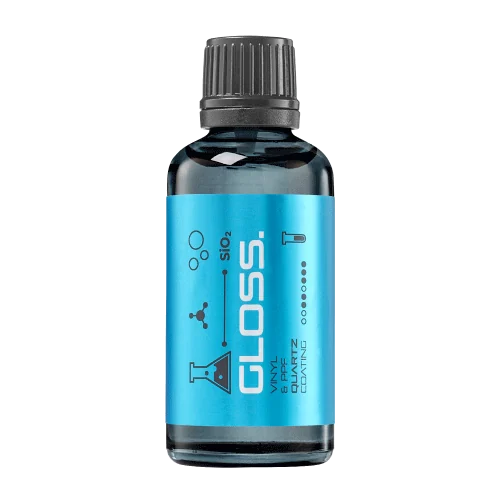 PPF & VINYLGLOSSProtection for glossy films and wraps.Discover
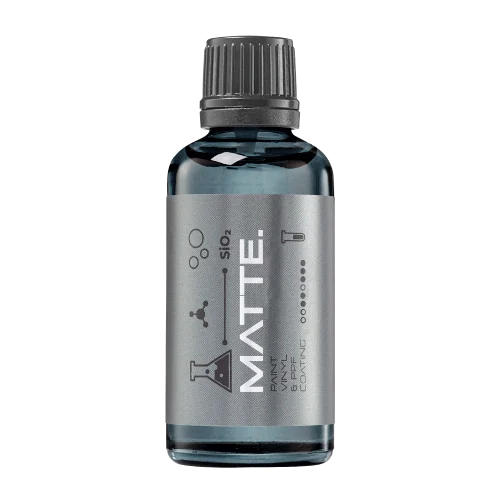 MATTE & SATINMATTEProtection that respects the finish.Discover
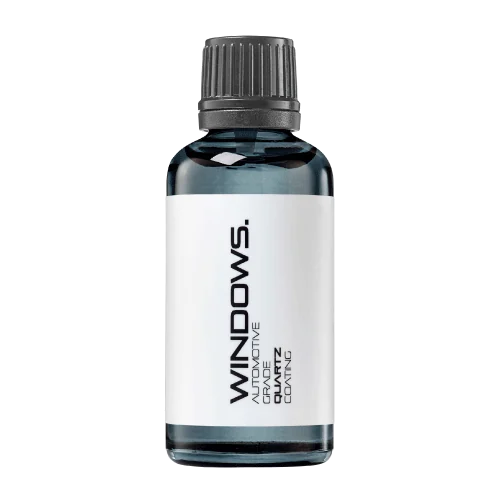 GLASSWINDOWSExplore dedicated glass protection.Discover
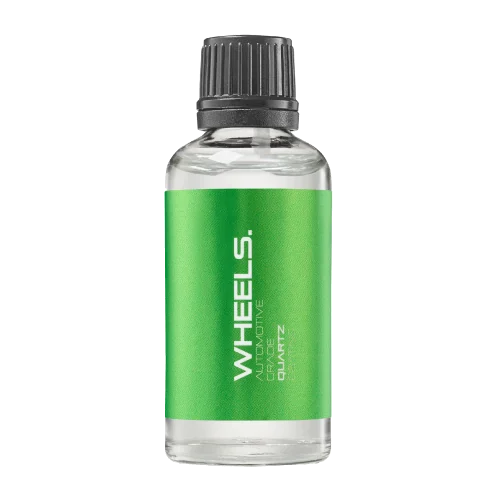 WHEEL PROTECTIONWHEELSA dedicated coating for your wheels.Discover
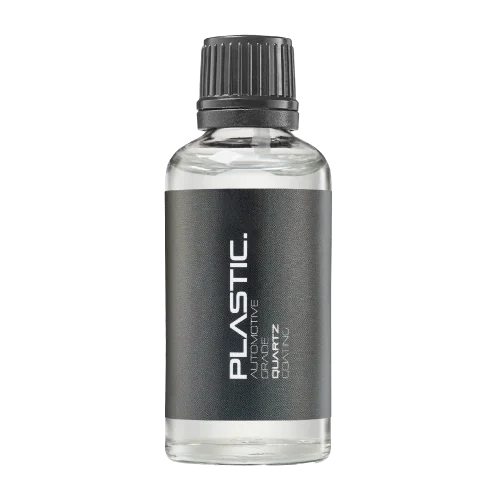 TRIM PROTECTIONPLASTICProtection for plastic surfaces.Discover
Dedicated care for the surfaces inside.
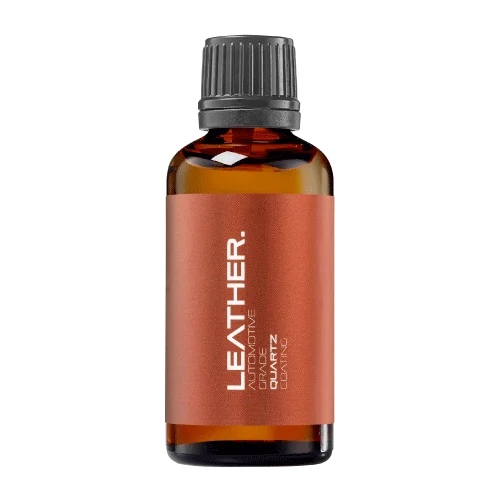 LEATHER SURFACESLEATHERDiscover NANOLAB leather protection.Discover PLASTIC SURFACESPLASTICProtection for interior plastic surfaces.Discover TEXTILE SURFACESFABRICExplore the latest fabric formulation.Discover
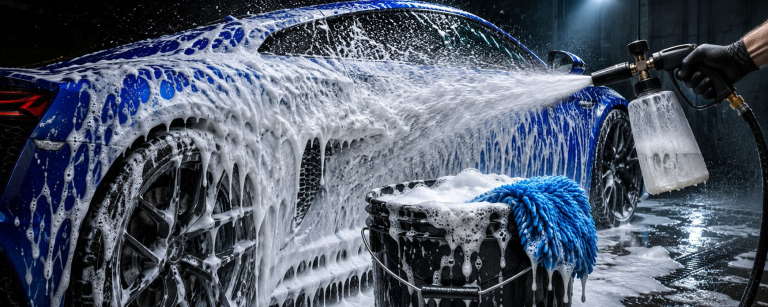 Preview all six shampoos →
Spray protection, maintenance and upcoming wash products.
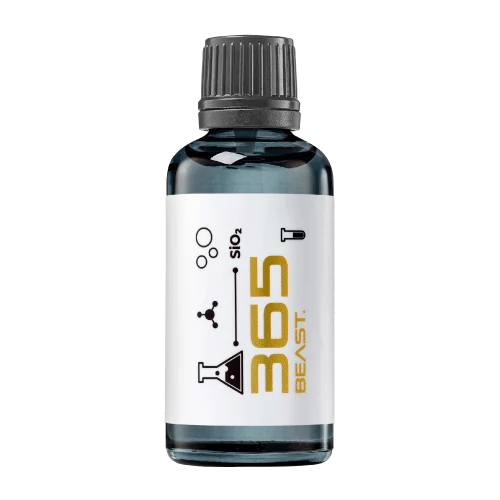 MAINTENANCEBEAST 365Explore the BEAST maintenance range.Discover
Next in washing, cleaning & care.
Ceramic protection for boats and yachts.
An easy-to-apply ceramic coating with an established track record on boats and yachts around the world.
Results vary with surface preparation, exposure and maintenance.
Read 50 MARINE guides →Explore MARINEProtection for the surfaces you live with.
A look at what we’re developing.
From cutting and one-step correction to final finishing.
A wider range for professional vehicle care.
Taking shape alongside BEAST & MATRIX.
Practical guidance for your next coating project.
Explore all guides →
Separate final composition from the dilution process, verify batch uniformity and assess how the finished shampoo mixes during use.
Updated · NANOLAB Knowledge
Reaching the correct final surfactant percentage does not guarantee a successful dilution process. A concentrated raw material can pass through difficult local concentrations during mixing, leaving lumps, uneven composition or excessive air. Manufacturing validation should therefore record how the mixture was made as well as what the final recipe contains.
Silverson’s application report on high-active surfactant dilution describes large viscosity changes and incomplete blending during SLES dilution. Its guidance concerns a specified processing problem; do not apply its numerical limits indiscriminately to every surfactant grade or finished shampoo.
A vessel’s average composition can be within the intended range while newly introduced material remains locally concentrated. That is why a successful laboratory recipe needs an addition sequence, suitable equipment and a verified mixing endpoint. A formulator and equipment supplier should establish those details for the actual ingredients and plant.
| Question | What to test | What success does not prove |
|---|---|---|
| Can the raw materials be manufactured into a uniform concentrate? | Approved addition sequence, mixing conditions, sampling and handling | That the product will behave acceptably in every customer’s wash water |
| Does the finished concentrate dilute correctly in use? | Label dilution, intended water supplies, mixing method and practical use period | That production scale-up will reproduce the concentrate consistently |
Keep these test records separate. A consumer’s bucket-mixing instruction is not a factory manufacturing instruction, and a production homogenization step is not something a customer should need to reproduce.
Use approved operating procedures, chemical handling controls and the equipment’s operating limits. Do not improvise extra heating, motor speed or chemical additions to rescue a batch that has become difficult to mix. Stop and investigate against the agreed process criteria.
A uniformly colored surface does not prove that the entire tank is uniform. Select safe, representative sampling locations and times for the equipment. Compare relevant measurements using methods capable of detecting the differences that matter. Potential checks include appearance, density, viscosity and a suitable composition assay; the appropriate set depends on the formulation.
A single pH or conductivity result may not uniquely establish composition in a multicomponent mixture. Use those signals only for a demonstrated purpose. Likewise, a viscosity result needs controlled temperature, sample conditioning and a record of entrained air.
Prepare the finished shampoo according to its proposed label directions using the intended measuring method. Include representative water conditions and the lower and upper working doses that the directions permit. Inspect mixing, appearance and behavior during a realistic wash period, then assess rinsing and the dry finish on compatible test surfaces.
For example, a concentrate that disperses in a well-equipped laboratory vessel may leave persistent local streaks when poured into a cold wash bucket using the proposed instructions. That observation should lead to a formulation or instruction review, followed by retesting. It should not be dismissed because the concentrate’s release measurements passed.
When a raw-material grade, fragrance, thickener or manufacturing sequence changes, identify which parts of the dilution assessment need repeating. Preserve the previous successful process so the comparison has a meaningful reference.
Related guides explain dilution-ratio calculations and measuring water for a coated-car wash. For product development, include both factory processability and user mixing requirements in the shampoo brief.