
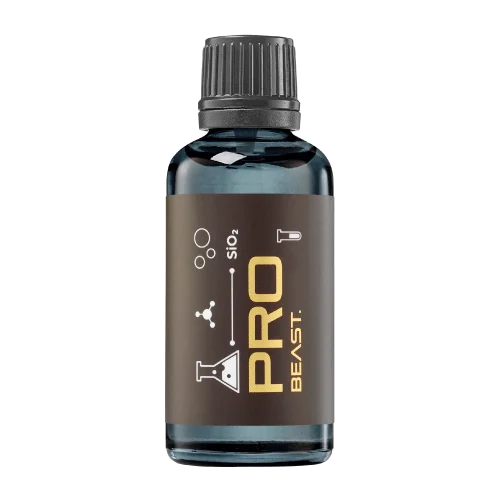
A full polishing range.
From cutting and one-step correction to final finishing.
Specialist chemistry. Expert application.
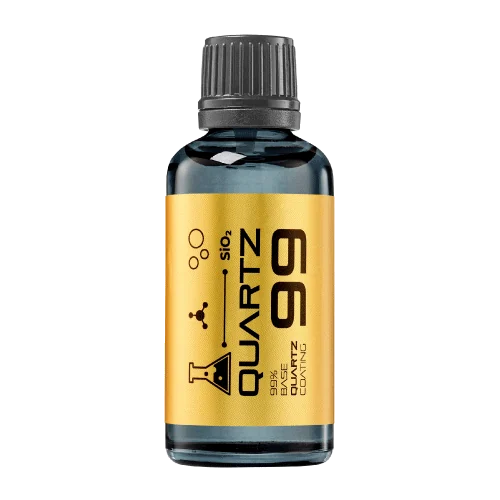 QUARTZ99 / CERAMIC BASE COAT
The foundation of your coating system.
A layerable quartz base coat designed for mechanical protection. Pair it with a suitable top coat to create the final finish.
For application by NANOLAB certified installers only.
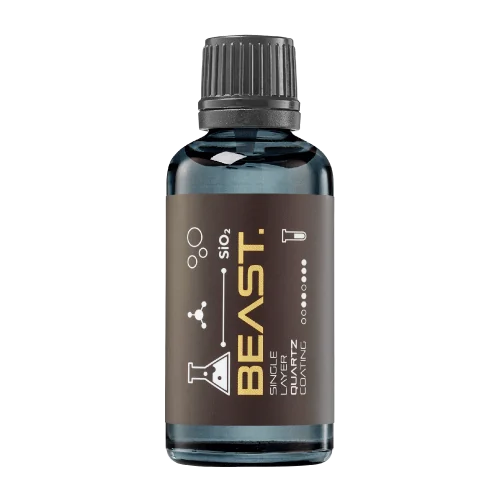
Four formulas. Extended working time. Find the coating for your finish.
Explore the BEAST family of ceramic coatings.
Find the coating for each exterior surface.
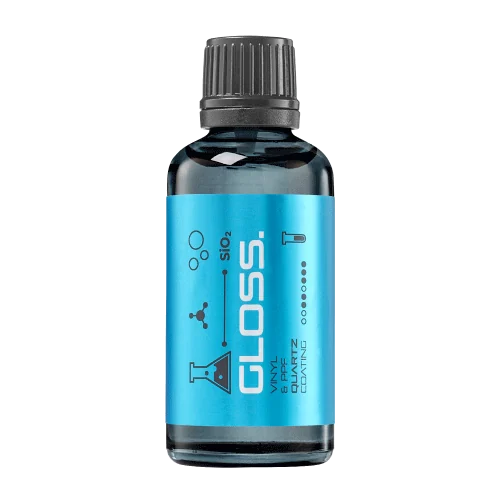 PPF & VINYLGLOSSProtection for glossy films and wraps.Discover
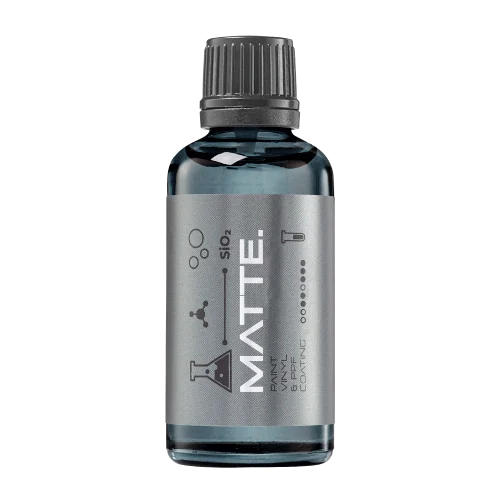 MATTE & SATINMATTEProtection that respects the finish.Discover
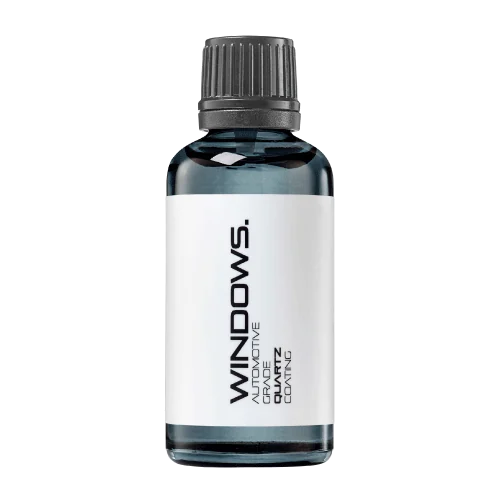 GLASSWINDOWSExplore dedicated glass protection.Discover
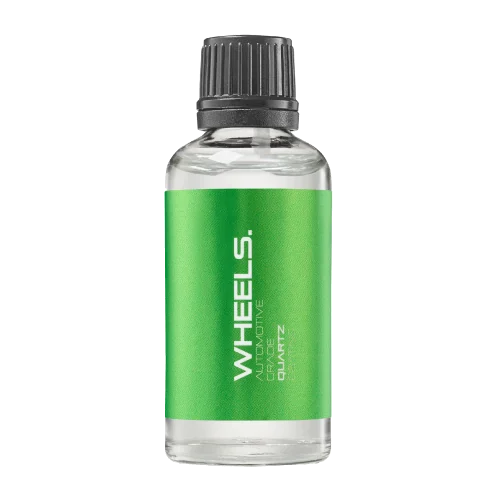 WHEEL PROTECTIONWHEELSA dedicated coating for your wheels.Discover
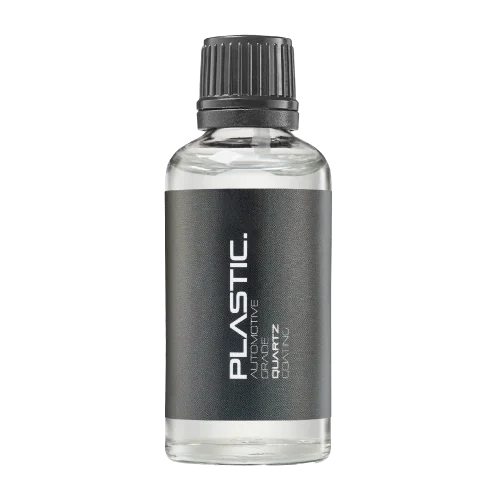 TRIM PROTECTIONPLASTICProtection for plastic surfaces.Discover
Dedicated care for the surfaces inside.
 LEATHER SURFACESLEATHERDiscover NANOLAB leather protection.Discover PLASTIC SURFACESPLASTICProtection for interior plastic surfaces.Discover TEXTILE SURFACESFABRICExplore the latest fabric formulation.Discover
 Preview all six shampoos →
Spray protection, maintenance and upcoming wash products.
 MAINTENANCEBEAST 365Explore the BEAST maintenance range.Discover
Next in washing, cleaning & care.
Ceramic protection for boats and yachts.
An easy-to-apply ceramic coating with an established track record on boats and yachts around the world.
Results vary with surface preparation, exposure and maintenance.
Read 50 MARINE guides →Explore MARINEProtection for the surfaces you live with.
A look at what we’re developing.
From cutting and one-step correction to final finishing.
A wider range for professional vehicle care.
Taking shape alongside BEAST & MATRIX.
Practical guidance for your next coating project.
Explore all guides →
Interpret a CMC measurement without confusing it with a finished-shampoo dilution claim. Build a dose-response study using controlled soil and rinse checks.
Updated · NANOLAB Knowledge
The critical micelle concentration, or CMC, describes surfactant aggregation under specified conditions. It is useful for understanding a shampoo system, but it does not by itself establish the best wash dilution. A formulation still needs cleaning, rinsing and surface-compatibility testing at its proposed use concentration.
Near the micellization transition, properties such as surface tension or conductivity can change their concentration dependence. A published study by Al-Soufi and Novo explains why the apparent transition depends on the measured property and analysis method. Treat a reported CMC as a result with a method and composition attached, not a universal number belonging to every product containing that ingredient.
A mixed commercial shampoo contains more than one surfactant and may include salts, fragrance and other components. Testing one raw material in purified water answers a narrower question than testing the finished blend in customer water. Also distinguish equilibrium surface tension from behaviour at a newly formed interface, as explained in dynamic surface tension during spraying.
Suppose a trial concentrate contains 12% surfactant active matter by mass. Mixing 10 g of concentrate with 990 g of water produces 1,000 g of working solution containing 1.2 g of surfactant active matter: 0.12% by mass. This arithmetic says nothing about whether that dose cleans a particular road film well.
| Concentrate in 1,000 g final mixture | Active matter from a 12% concentrate | Working active concentration |
|---|---|---|
| 5 g | 0.6 g | 0.06% |
| 10 g | 1.2 g | 0.12% |
| 20 g | 2.4 g | 0.24% |
These are illustrative test points, not NANOLAB product instructions. Weighing the mixture avoids silently assuming that millilitres and grams are interchangeable. For the full mass balance, see calculating shampoo active matter.
This is a proposed development workflow. It is not evidence that a particular NANOLAB formula has been tested under these conditions.
A plateau in one measurement is a reason to ask what additional dose contributes. It is not proof that cleaning, soil handling or rinsing has also reached a plateau. Conversely, increasing dose without a measurable benefit may increase cost and make rinsing less convenient. Select a practical operating range from the finished-product results.
Keep the laboratory aggregation result and the user instruction in separate fields of the development record. The first explains solution behaviour; the second needs evidence for the actual wash job.
Scientific reference: Al-Soufi and Novo, A Surfactant Concentration Model for the Systematic Determination of the Critical Micellar Concentration and the Transition Width.