






A full polishing range.
From cutting and one-step correction to final finishing.
Specialist chemistry. Expert application.
 QUARTZ99 / CERAMIC BASE COAT
The foundation of your coating system.
A layerable quartz base coat designed for mechanical protection. Pair it with a suitable top coat to create the final finish.
For application by NANOLAB certified installers only.
Four formulas. Extended working time. Find the coating for your finish.
Explore the BEAST family of ceramic coatings.
Find the coating for each exterior surface.
 PPF & VINYLGLOSSProtection for glossy films and wraps.Discover
 MATTE & SATINMATTEProtection that respects the finish.Discover
 GLASSWINDOWSExplore dedicated glass protection.Discover
 WHEEL PROTECTIONWHEELSA dedicated coating for your wheels.Discover
 TRIM PROTECTIONPLASTICProtection for plastic surfaces.Discover
Dedicated care for the surfaces inside.
 LEATHER SURFACESLEATHERDiscover NANOLAB leather protection.Discover PLASTIC SURFACESPLASTICProtection for interior plastic surfaces.Discover TEXTILE SURFACESFABRICExplore the latest fabric formulation.Discover
Spray protection, maintenance and upcoming wash products.
 MAINTENANCEBEAST 365Explore the BEAST maintenance range.Discover
Next in washing, cleaning & care.
Ceramic protection for boats and yachts.
An easy-to-apply ceramic coating with an established track record on boats and yachts around the world.
Results vary with surface preparation, exposure and maintenance.
Read 50 MARINE guides →Explore MARINEProtection for the surfaces you live with.
A look at what we’re developing.
From cutting and one-step correction to final finishing.
A wider range for professional vehicle care.
Taking shape alongside BEAST & MATRIX.
Practical guidance for your next coating project.
Explore all guides →
Keep coating instructions, service commitments and warranty documents aligned while preserving the different purpose of each.
Updated · NANOLAB Knowledge
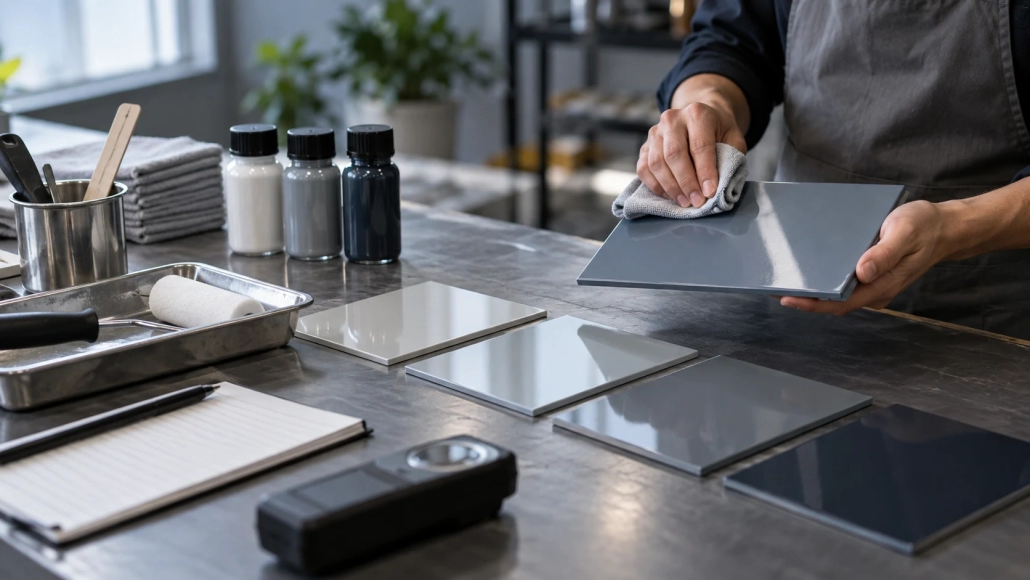
A coating customer may receive application instructions, a service proposal and a warranty document. These documents should agree on product identity and scope, but they answer different questions.
| Document | Main purpose |
|---|---|
| Product instructions | Explain approved application, conditioning and care |
| Service commitment | Describe work and support the provider will deliver |
| Warranty document | State the applicable promise, conditions and process |
Review product names, covered surfaces, care requirements, dates and contact routes. A sales statement should not promise a function excluded by the technical instructions. Likewise, a service brochure should not casually expand a written warranty.
Record which documents were supplied with the job or product. If instructions change later, retain the historical version and establish how affected users will receive relevant updates. Avoid replacing old records with a new file that makes the original handover impossible to reconstruct.
Have warranty and binding service wording reviewed for the intended market and arrangement. Do not use this document map to infer that statutory rights disappear or that one document overrides applicable law. At handover, give the customer a clear route for routine care questions, service requests and warranty enquiries. Consistent documents make those routes easier to use without blending technical guidance into an unsupported commercial promise.
Discuss your private-label coating project. For application and care, use the current instructions for the exact product.
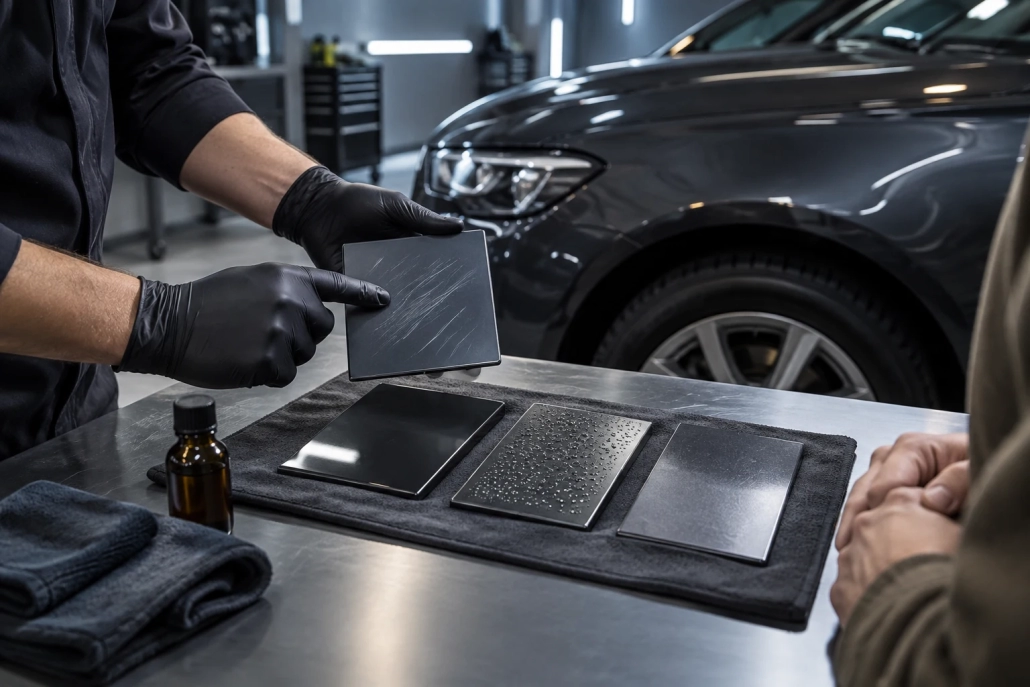
Keep coating performance statements connected to their product version, test method and limitations before using them in sales material.
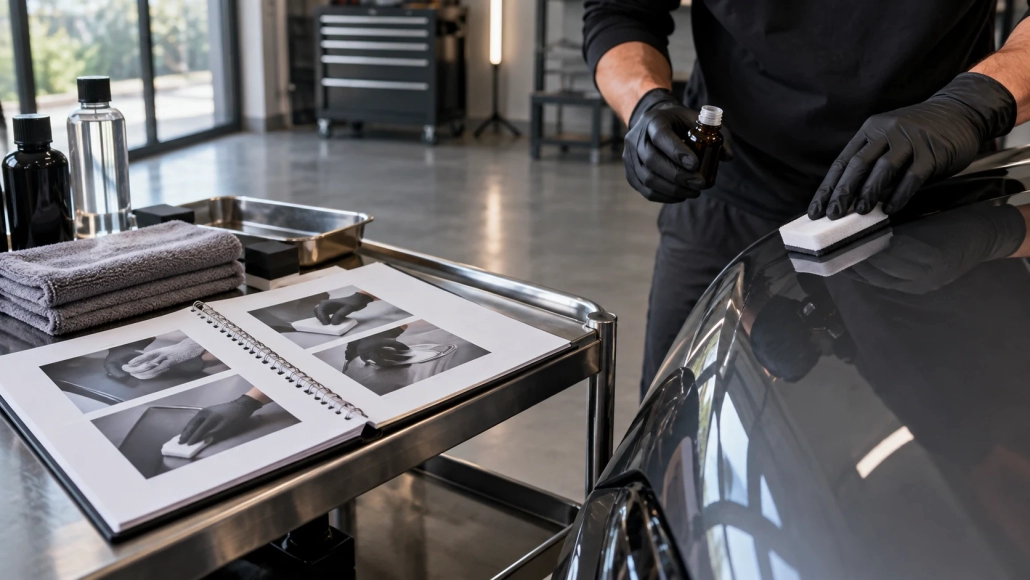
Structure private label coating instructions around preparation, application, inspection and aftercare for the exact approved product.

Use teach-back scenarios to verify that coating installers can choose the correct action when conditions differ from a standard demonstration.
 Buying a Used Car with an Unknown Ceramic Coating: A Five-Stage Assessment