






A full polishing range.
From cutting and one-step correction to final finishing.
Specialist chemistry. Expert application.
 QUARTZ99 / CERAMIC BASE COAT
The foundation of your coating system.
A layerable quartz base coat designed for mechanical protection. Pair it with a suitable top coat to create the final finish.
For application by NANOLAB certified installers only.
Four formulas. Extended working time. Find the coating for your finish.
Explore the BEAST family of ceramic coatings.
Find the coating for each exterior surface.
 PPF & VINYLGLOSSProtection for glossy films and wraps.Discover
 MATTE & SATINMATTEProtection that respects the finish.Discover
 GLASSWINDOWSExplore dedicated glass protection.Discover
 WHEEL PROTECTIONWHEELSA dedicated coating for your wheels.Discover
 TRIM PROTECTIONPLASTICProtection for plastic surfaces.Discover
Dedicated care for the surfaces inside.
 LEATHER SURFACESLEATHERDiscover NANOLAB leather protection.Discover PLASTIC SURFACESPLASTICProtection for interior plastic surfaces.Discover TEXTILE SURFACESFABRICExplore the latest fabric formulation.Discover
Spray protection, maintenance and upcoming wash products.
 MAINTENANCEBEAST 365Explore the BEAST maintenance range.Discover
Next in washing, cleaning & care.
Ceramic protection for boats and yachts.
An easy-to-apply ceramic coating with an established track record on boats and yachts around the world.
Results vary with surface preparation, exposure and maintenance.
Read 50 MARINE guides →Explore MARINEProtection for the surfaces you live with.
A look at what we’re developing.
From cutting and one-step correction to final finishing.
A wider range for professional vehicle care.
Taking shape alongside BEAST & MATRIX.
Practical guidance for your next coating project.
Explore all guides →
Structure private label coating instructions around preparation, application, inspection and aftercare for the exact approved product.
Updated · NANOLAB Knowledge
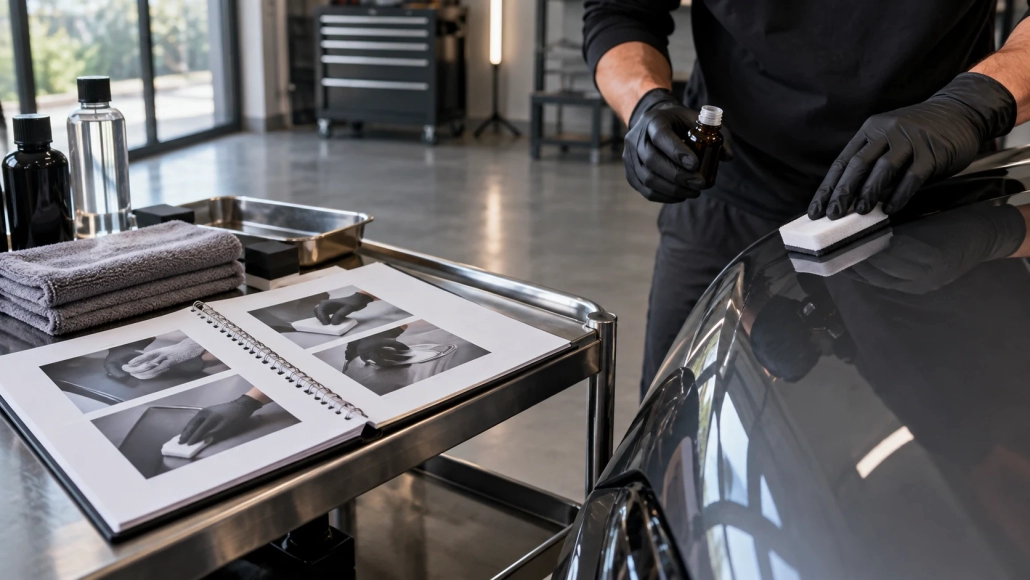
Installer instructions should make the next action clear at the moment it is needed. Marketing copy can explain why a coating is attractive; a working instruction must explain how the approved product is used and how uncertainty is resolved.
Begin with the current NANOLAB instructions for the selected formulation. Record the product reference and revision. Do not merge timing from different coatings into a universal process. Application, removal, release and first-wash stages need their own labels.
Explain suitable surfaces before describing application. A warning hidden at the end is too late if a user has already applied a gloss-enhancing product to a finish they intended to preserve.
Cover preparation, a test area, spreading, removal, inspection and aftercare. Describe what the installer should check at each stage, including residue, missed areas and changing conditions. Where a value depends on the product or environment, use the confirmed instructions rather than inventing a fixed interval.
Keep troubleshooting distinct from the normal workflow. Tell the installer when to stop and request support, especially if the product behaves differently from the sample trial.
Ask a trained installer unfamiliar with the document to follow it on an approved test surface. Record questions without coaching every step. Those questions reveal unclear wording and missing information more effectively than an internal spelling review alone.
Issue the corrected instruction with a version number and provide the same version in the kit and support materials. Coordinate technical wording through NANOLAB Private Label and prepare a matching customer aftercare card.
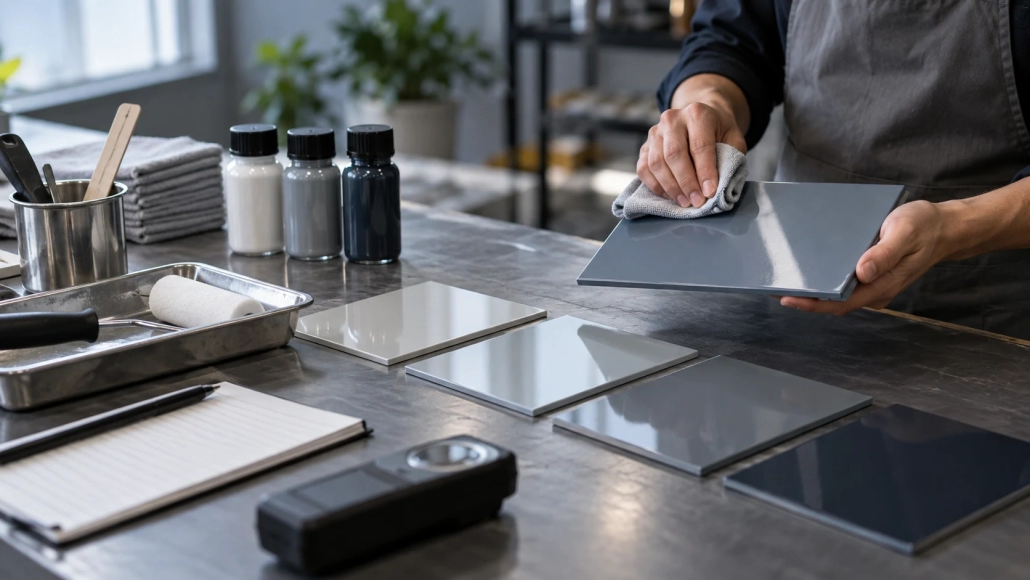
Compare private label coating samples using consistent preparation, application notes, finish checks and aftercare observations.

Create a surface map for vehicles combining paint, PPF, vinyl, glass and trim so every area receives a suitable NANOLAB system.
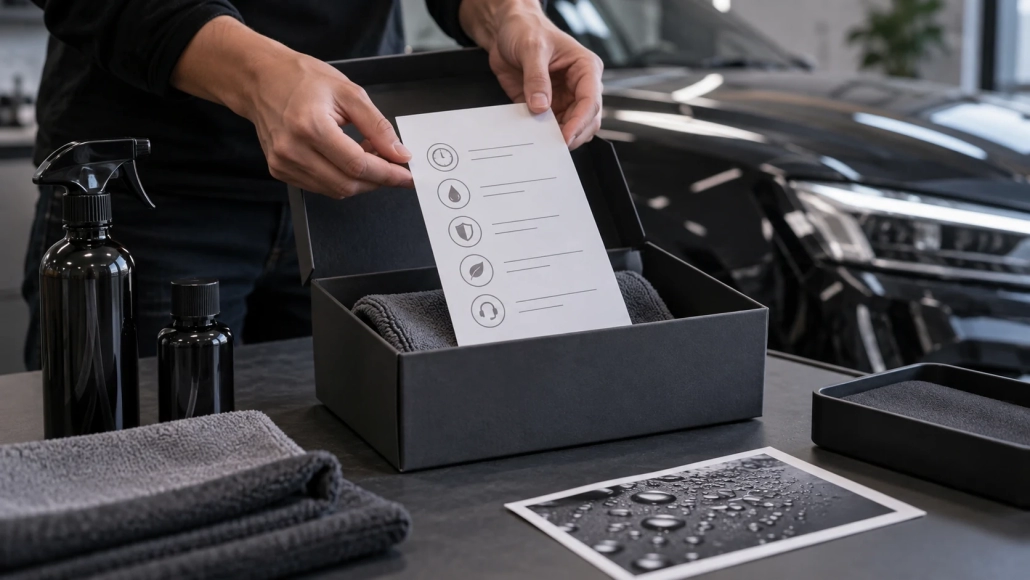
Give coating customers a clear aftercare card with product-specific wash timing, routine care, contamination advice and a support route.
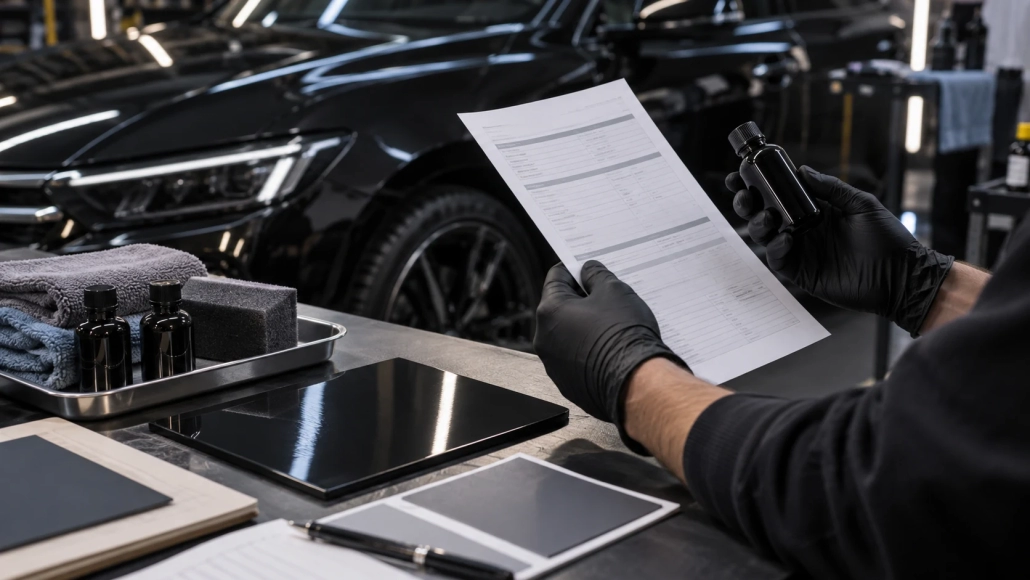
Keep translated coating instructions aligned with the approved product, sequence and safety information before distributing them to a new market.

 Turning Distributor Feedback into Better Coating Support