
Cleaning Compound Dust Before Ceramic Coating
Remove polishing dust from seams, trim and the work area before final panel preparation and ceramic coating application.
Updated · NANOLAB Knowledge
Compound dust can remain in gaps long after the flat paint looks clean. If it reaches an applicator or towel during coating, it can interfere with a controlled finish. Cleaning the work area and vehicle together prevents repeated contamination.
Find the collection points
Inspect panel gaps, badges, trim boundaries, grille details and areas protected by masking. Remove masking carefully and check for residue along its edges. Do not drag accumulated dust across finished paint with a dry cloth.
Use cleaning methods compatible with the surface and polishing system. Where air is used, it should be appropriate for detailing and free of contamination that would compromise the prepared finish. Follow workplace and product safety requirements.
Decide whether another wash is appropriate
Some jobs benefit from a controlled wash after polishing; others can be cleaned through the approved preparation process. Consider residue quantity, access to hidden areas and the need to dry thoroughly afterward. Do not proceed directly from a rinse to coating while water remains in seams.
Keep cleaned areas away from active compounding nearby. Dust settling onto a prepared panel can undo an otherwise careful final wipe.
Inspect before opening the coating
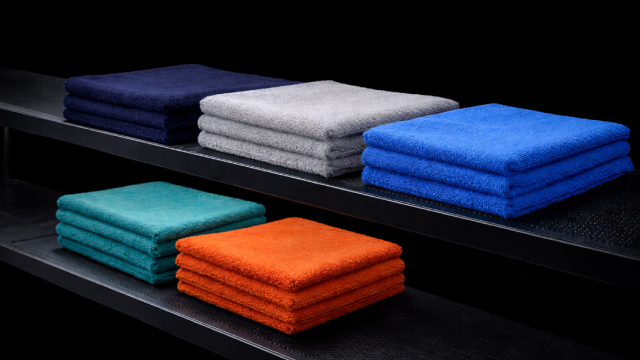
Check the clean paint, trim and gaps under suitable light. Replace towels that have collected residue and prepare clean applicators. Finish with the panel preparation specified for the selected NANOLAB system.
Use hidden-water checks if washing was needed and follow the clean-bay handover. Coating should begin only after the preparation area is ready to stay clean.