






A full polishing range.
From cutting and one-step correction to final finishing.
Specialist chemistry. Expert application.
 QUARTZ99 / CERAMIC BASE COAT
The foundation of your coating system.
A layerable quartz base coat designed for mechanical protection. Pair it with a suitable top coat to create the final finish.
For application by NANOLAB certified installers only.
Four formulas. Extended working time. Find the coating for your finish.
Explore the BEAST family of ceramic coatings.
Find the coating for each exterior surface.
 PPF & VINYLGLOSSProtection for glossy films and wraps.Discover
 MATTE & SATINMATTEProtection that respects the finish.Discover
 GLASSWINDOWSExplore dedicated glass protection.Discover
 WHEEL PROTECTIONWHEELSA dedicated coating for your wheels.Discover
 TRIM PROTECTIONPLASTICProtection for plastic surfaces.Discover
Dedicated care for the surfaces inside.
 LEATHER SURFACESLEATHERDiscover NANOLAB leather protection.Discover PLASTIC SURFACESPLASTICProtection for interior plastic surfaces.Discover TEXTILE SURFACESFABRICExplore the latest fabric formulation.Discover
Spray protection, maintenance and upcoming wash products.
 MAINTENANCEBEAST 365Explore the BEAST maintenance range.Discover
Next in washing, cleaning & care.
Ceramic protection for boats and yachts.
An easy-to-apply ceramic coating with an established track record on boats and yachts around the world.
Results vary with surface preparation, exposure and maintenance.
Read 50 MARINE guides →Explore MARINEProtection for the surfaces you live with.
A look at what we’re developing.
From cutting and one-step correction to final finishing.
A wider range for professional vehicle care.
Taking shape alongside BEAST & MATRIX.
Practical guidance for your next coating project.
Explore all guides →
Plan polishing-pad stock around cleaning, drying and inspection lead time so operators are not forced to reuse unsuitable pads during busy work.
Updated · NANOLAB Knowledge
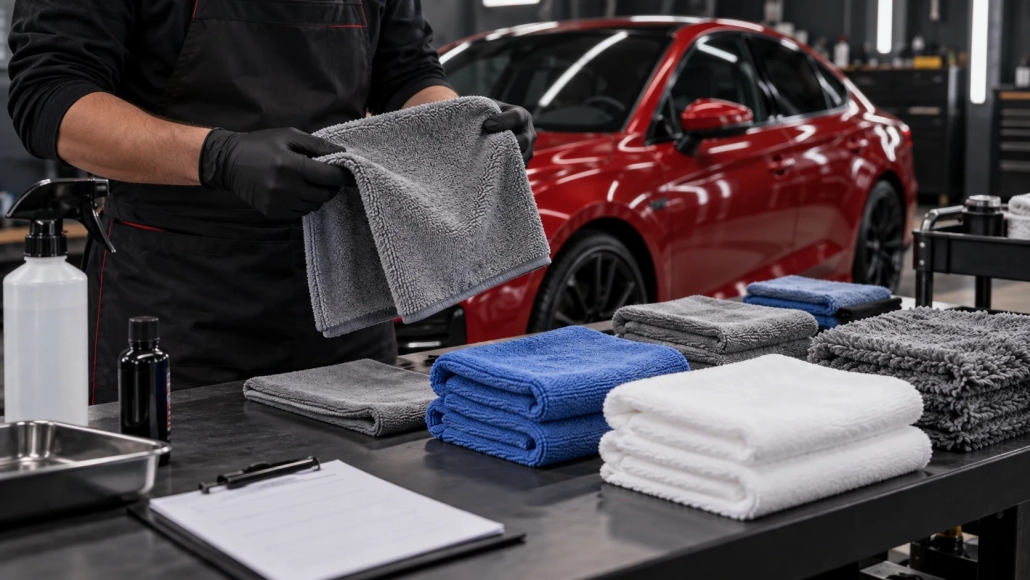
A workshop’s pad requirement depends on how quickly used pads return in a suitable condition, not just how many machines are running. Cleaning and drying create a circulation delay.
Record issue to a job, removal from use, supported cleaning, drying, inspection and return to clean stock. Follow the pad manufacturer’s care instructions. Do not accelerate drying through an unsupported method merely to reduce inventory.
List the pads required by the planned jobs and the time each clean set becomes available again. Account for different pad types separately. A stock of finishing pads cannot solve a shortage of the specific cutting pads required by the accepted process.
| Stock state | Count separately |
|---|---|
| Ready | Clean, dry and accepted |
| In use | Assigned to active work |
| In care cycle | Unavailable until complete |
| Rejected | Not part of usable capacity |
Include realistic cleaning delays and rejection rates. Do not count every physically present pad as available if its attachment, foam or surface condition is unsuitable.
If shortages recur, determine whether demand rose, the care cycle slowed or stock was misplaced. Buying more pads may help capacity but will not resolve poor separation of clean and used items.
The desired outcome is predictable access to suitable pads. That supports consistent correction and prevents scheduling pressure from changing the polishing process through unplanned reuse of contaminated or damaged media.
Ask NANOLAB about your surface and intended use. For application and care, use the current instructions for the exact product.
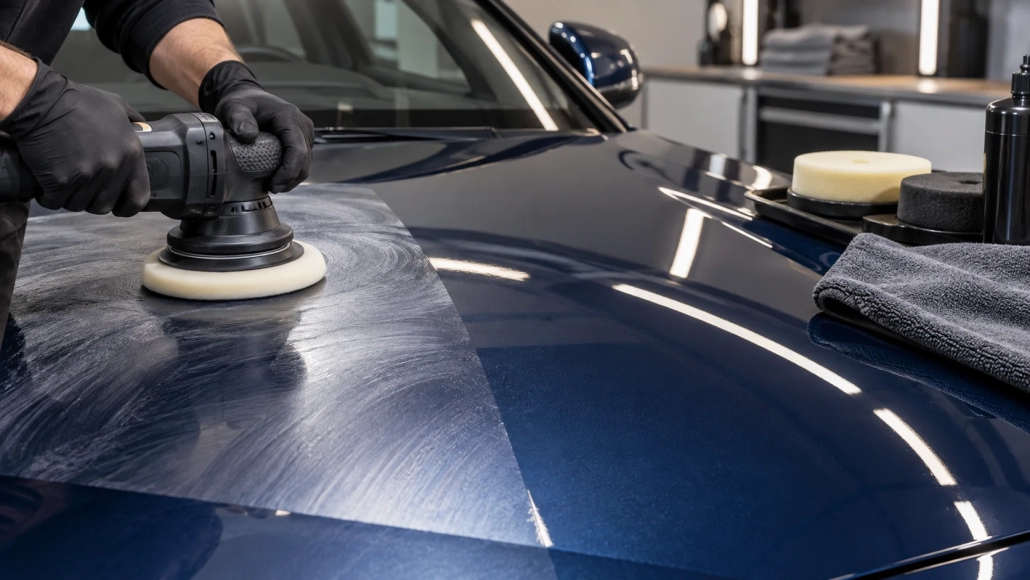
Choose a polishing process by testing defect removal, finishing quality and clear-coat preservation rather than counting steps alone.
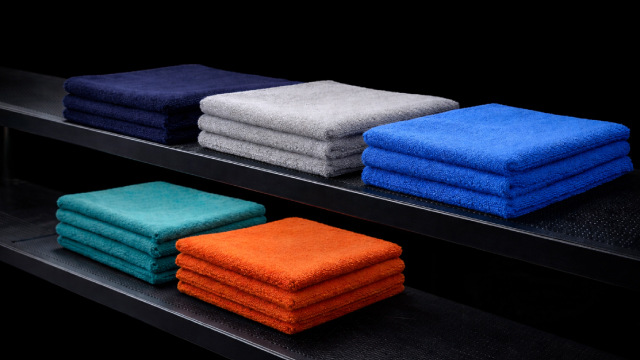
Coating-removal towels and ordinary wash towels can contain very different residues.

Use work sampling to estimate where detailing time goes without continuously timing every operator movement or confusing activity with useful output.

 Work Sampling for Detailing: Measure Process Delays without Timing Every Mo...