






A full polishing range.
From cutting and one-step correction to final finishing.
Specialist chemistry. Expert application.
 QUARTZ99 / CERAMIC BASE COAT
The foundation of your coating system.
A layerable quartz base coat designed for mechanical protection. Pair it with a suitable top coat to create the final finish.
For application by NANOLAB certified installers only.
Four formulas. Extended working time. Find the coating for your finish.
Explore the BEAST family of ceramic coatings.
Find the coating for each exterior surface.
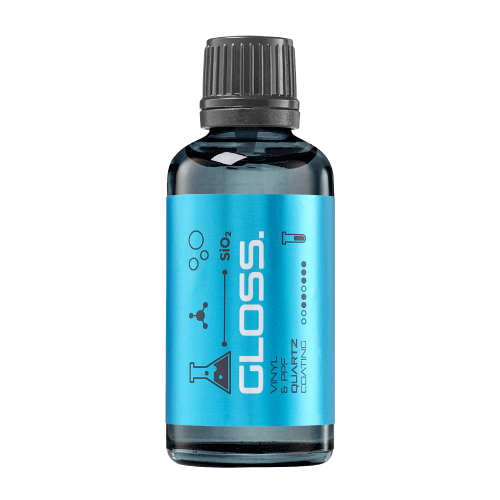
 PPF & VINYLGLOSSProtection for glossy films and wraps.Discover
 MATTE & SATINMATTEProtection that respects the finish.Discover
 GLASSWINDOWSExplore dedicated glass protection.Discover
 WHEEL PROTECTIONWHEELSA dedicated coating for your wheels.Discover
 TRIM PROTECTIONPLASTICProtection for plastic surfaces.Discover
Dedicated care for the surfaces inside.
 LEATHER SURFACESLEATHERDiscover NANOLAB leather protection.Discover PLASTIC SURFACESPLASTICProtection for interior plastic surfaces.Discover TEXTILE SURFACESFABRICExplore the latest fabric formulation.Discover
Spray protection, maintenance and upcoming wash products.
 MAINTENANCEBEAST 365Explore the BEAST maintenance range.Discover
Next in washing, cleaning & care.
Ceramic protection for boats and yachts.
An easy-to-apply ceramic coating with an established track record on boats and yachts around the world.
Results vary with surface preparation, exposure and maintenance.
Read 50 MARINE guides →Explore MARINEProtection for the surfaces you live with.
A look at what we’re developing.
From cutting and one-step correction to final finishing.
A wider range for professional vehicle care.
Taking shape alongside BEAST & MATRIX.
Practical guidance for your next coating project.
Explore all guides →
Follow helmet-visor manufacturer guidance and avoid transferring car-glass coating advice to coated optical plastic.
Updated · NANOLAB Knowledge
A helmet visor is an optical and protective component, often made from coated plastic. A product approved for a car windscreen is not automatically suitable for it. The helmet or visor manufacturer's current care instructions should determine what can contact the surface.
Visors may have anti-scratch layers, tinting, anti-fog inserts or other optical treatments. The inside and outside can have different care requirements. Arai, for example, gives specific shield-cleaning guidance and warns that some chemical damage may not be obvious.
Do not infer compatibility from the visor's apparent hardness or from a successful test on ordinary glass. Plastic and factory coatings can respond differently to solvents, cleaners and added films.
A clear-looking spot immediately after application does not establish impact performance, long-term material compatibility or optical quality under night lighting. An inconspicuous test area cannot validate those requirements for a safety component.
Do not polish away a factory treatment or apply a general hydrophobic coating to improve beading without explicit approval for the exact visor. If a product has been applied accidentally, stop using unsupported remedies and ask the visor manufacturer how to assess it.
A motorcycle bodywork coating package should list the visor and helmet as separate items, usually outside the scope unless a specifically approved care system is requested. Use the manufacturer's cleaning method to address ordinary dirt and insect residue.
For NANOLAB selection, ask about the precise material and application rather than relying on a broad “glass and plastic” description. A decorative panel and a visor do not have the same performance requirements. Preserving the manufacturer's approved optical and protective system is more important than adding another water-beading demonstration.
Technical references: Arai: Helmet and shield care.
For product-specific application instructions, consult NANOLAB technical documentation or ask about your surface and intended use.
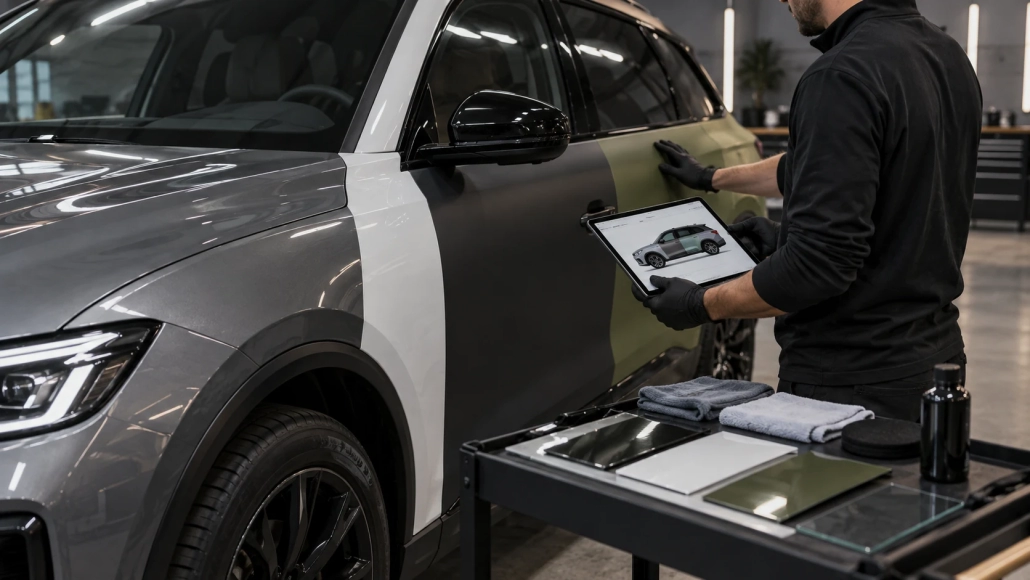
Create a surface map for vehicles combining paint, PPF, vinyl, glass and trim so every area receives a suitable NANOLAB system.
A simple survey can prevent unsuitable products being applied during a home coating project.
Identify motorcycle windscreen material and factory hardcoat before selecting cleaners or an additional rain-repellent treatment.