






A full polishing range.
From cutting and one-step correction to final finishing.
Specialist chemistry. Expert application.
 QUARTZ99 / CERAMIC BASE COAT
The foundation of your coating system.
A layerable quartz base coat designed for mechanical protection. Pair it with a suitable top coat to create the final finish.
For application by NANOLAB certified installers only.
Four formulas. Extended working time. Find the coating for your finish.
Explore the BEAST family of ceramic coatings.
Find the coating for each exterior surface.
 PPF & VINYLGLOSSProtection for glossy films and wraps.Discover
 MATTE & SATINMATTEProtection that respects the finish.Discover
 GLASSWINDOWSExplore dedicated glass protection.Discover
 WHEEL PROTECTIONWHEELSA dedicated coating for your wheels.Discover
 TRIM PROTECTIONPLASTICProtection for plastic surfaces.Discover
Dedicated care for the surfaces inside.
 LEATHER SURFACESLEATHERDiscover NANOLAB leather protection.Discover PLASTIC SURFACESPLASTICProtection for interior plastic surfaces.Discover TEXTILE SURFACESFABRICExplore the latest fabric formulation.Discover
Spray protection, maintenance and upcoming wash products.
 MAINTENANCEBEAST 365Explore the BEAST maintenance range.Discover
Next in washing, cleaning & care.
Ceramic protection for boats and yachts.
An easy-to-apply ceramic coating with an established track record on boats and yachts around the world.
Results vary with surface preparation, exposure and maintenance.
Read 50 MARINE guides →Explore MARINEProtection for the surfaces you live with.
A look at what we’re developing.
From cutting and one-step correction to final finishing.
A wider range for professional vehicle care.
Taking shape alongside BEAST & MATRIX.
Practical guidance for your next coating project.
Explore all guides →
Keep translated coating claims aligned with their approved meaning, conditions and evidence across labels and distributor materials.
Updated · NANOLAB Knowledge
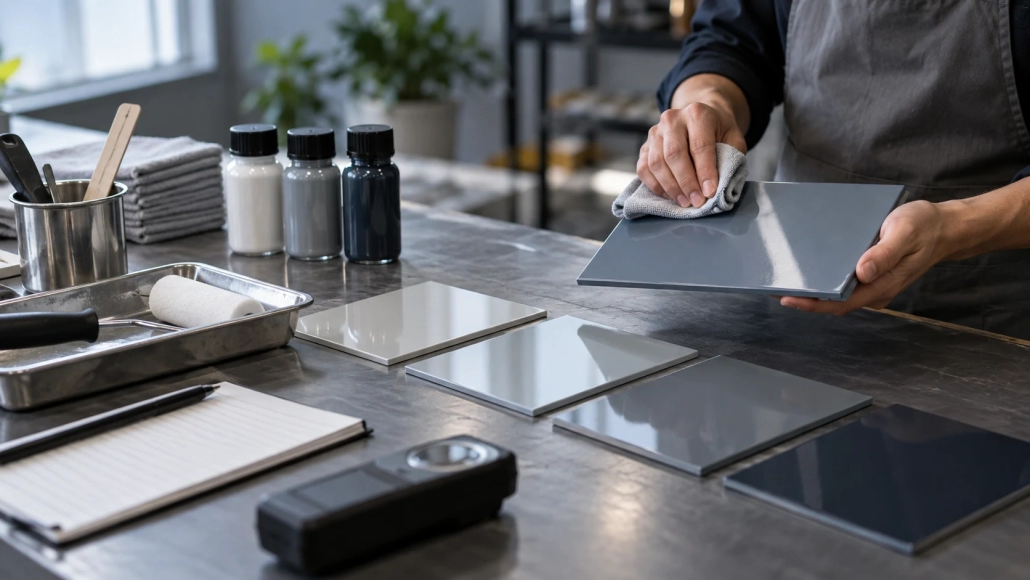
A translated coating claim can become stronger than the approved original even when the wording sounds natural. Terms such as resistant, proof, permanent and maintenance-free should be reviewed for meaning, not only grammar.
Store the approved statement, supporting evidence, intended audience and required qualifications. Include the relevant product version and use conditions. The translator needs this context to preserve the claim’s scope.
A qualification may be lost when text is shortened to fit a label. Check headings, icons and captions as well as body copy. A strong headline with a hidden limitation elsewhere can still create a misleading impression.
| Field | Review |
|---|---|
| Original meaning | What is actually supported? |
| Translated meaning | Does it promise the same outcome? |
| Conditions | Are use and care limitations retained? |
| Market review | Are local presentation requirements addressed? |
Use a qualified language reviewer and appropriate market review for regulated statements. Back-translation can expose differences but is not a complete substitute for subject knowledge. If the original claim changes, update all linked labels and distributor assets. Retain the approved translation so later marketing revisions do not quietly reintroduce an unsupported promise.
Discuss your private-label coating project. For application and care, use the current instructions for the exact product.
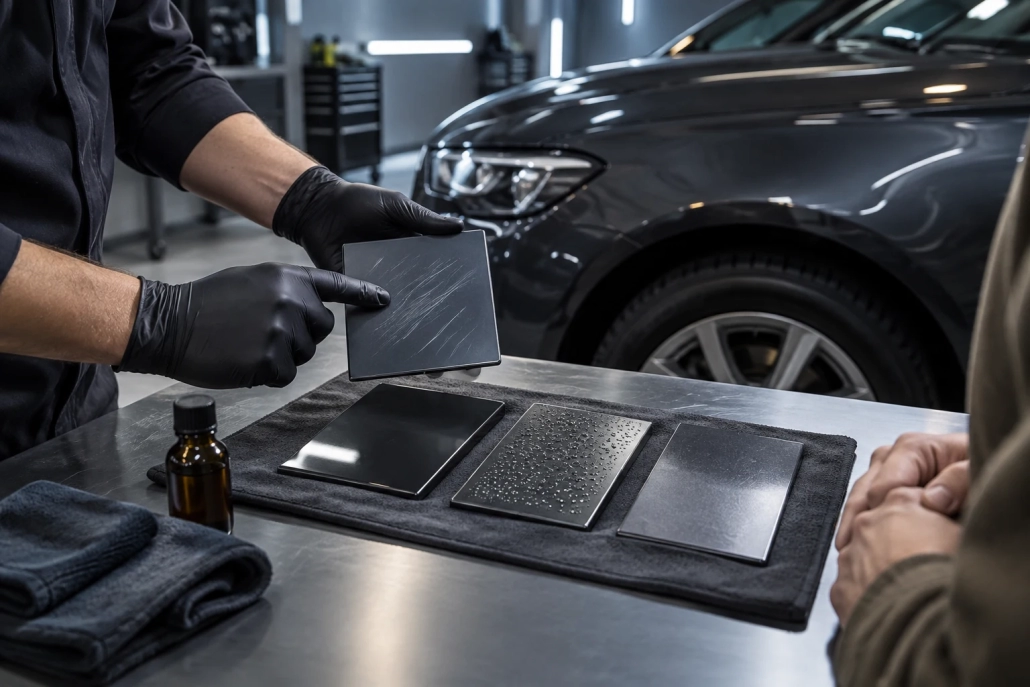
Keep coating performance statements connected to their product version, test method and limitations before using them in sales material.

Check technical meaning, product identity and units separately from fluent marketing language.
Reduce private-label coating SKUs by comparing real use cases, technical differences and transition needs rather than names alone.
 Reducing Private-Label SKU Count without Removing a Needed Use Case