






A full polishing range.
From cutting and one-step correction to final finishing.
Specialist chemistry. Expert application.
 QUARTZ99 / CERAMIC BASE COAT
The foundation of your coating system.
A layerable quartz base coat designed for mechanical protection. Pair it with a suitable top coat to create the final finish.
For application by NANOLAB certified installers only.
Four formulas. Extended working time. Find the coating for your finish.
Explore the BEAST family of ceramic coatings.
Find the coating for each exterior surface.
 PPF & VINYLGLOSSProtection for glossy films and wraps.Discover
 MATTE & SATINMATTEProtection that respects the finish.Discover
 GLASSWINDOWSExplore dedicated glass protection.Discover
 WHEEL PROTECTIONWHEELSA dedicated coating for your wheels.Discover
 TRIM PROTECTIONPLASTICProtection for plastic surfaces.Discover
Dedicated care for the surfaces inside.
 LEATHER SURFACESLEATHERDiscover NANOLAB leather protection.Discover PLASTIC SURFACESPLASTICProtection for interior plastic surfaces.Discover TEXTILE SURFACESFABRICExplore the latest fabric formulation.Discover
Spray protection, maintenance and upcoming wash products.
 MAINTENANCEBEAST 365Explore the BEAST maintenance range.Discover
Next in washing, cleaning & care.
Ceramic protection for boats and yachts.
An easy-to-apply ceramic coating with an established track record on boats and yachts around the world.
Results vary with surface preparation, exposure and maintenance.
Read 50 MARINE guides →Explore MARINEProtection for the surfaces you live with.
A look at what we’re developing.
From cutting and one-step correction to final finishing.
A wider range for professional vehicle care.
Taking shape alongside BEAST & MATRIX.
Practical guidance for your next coating project.
Explore all guides →
Plan heavy cutting with a DA polisher by checking liquid compatibility, pad movement, working area and the finishing process that follows.
Updated · NANOLAB Knowledge
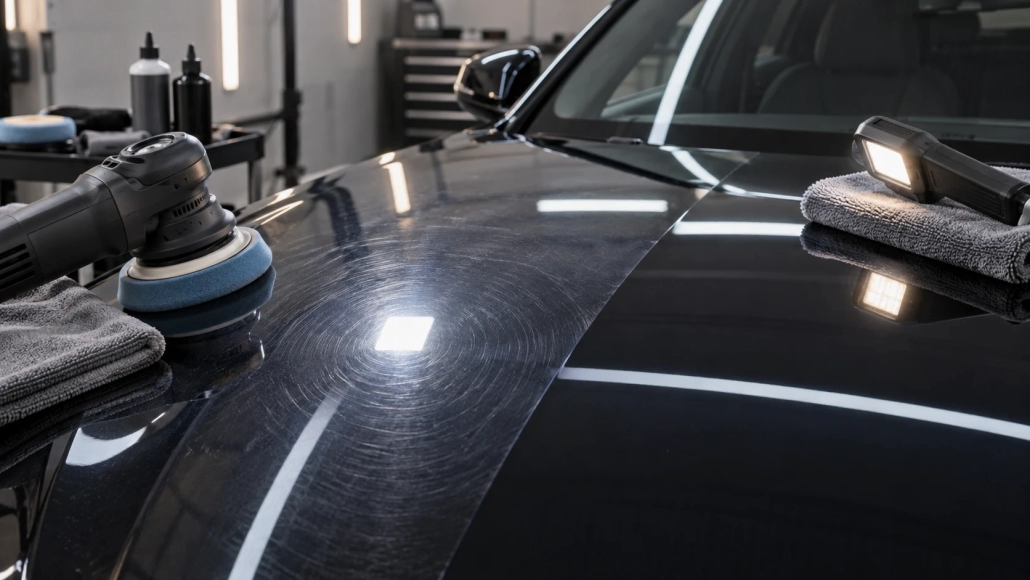
A dual-action polisher can be part of a substantial correction process when the liquid, pad and machine are designed to work together. DA does not mean finishing-only, and heavy cut does not automatically mean rotary-only. Check the exact product instructions before pairing them.
Free-spinning random orbital and gear-driven dual-action tools behave differently under load. A free-spinning pad can lose rotation while still orbiting. A gear-driven mechanism links the movements, but that does not remove the need to manage contact, heat and surface condition.
Specify the machine movement in your test record. Writing only DA leaves out a meaningful part of the setup and makes later comparisons less useful.
Choose a pad approved for the backing plate, machine action and compound. Do not transfer a rotary wool pad to a long-throw DA simply because its diameter looks suitable. Attachment, balance, construction and rated use need to match.
Prepare the pad as directed and keep it clean during the process. A clogged cutting face can change the result enough to make a good liquid appear ineffective. Reloading more compound is not a substitute for maintaining the pad.
Use an area that allows consistent coverage and inspection. Maintain the intended pad contact instead of tilting to force more correction at one point. Monitor the free-spinning tool’s movement where applicable and adjust the setup if rotation is persistently poor.
Do not treat the speed dial as a universal numerical recipe. The manufacturer’s operating range and the observed response matter more than copying another tool’s setting.
After residue removal, check the target defects and the finish left by the cutting pad. Test a suitable finer stage if haze remains. Confirm this sequence on the actual paint before scaling up.
If the process is slow, investigate movement, pad condition and the suitability of the combination before repeating heavy cycles. The goal is an accepted finish with a controlled process, not proving that a particular machine can remove every mark.
Browse the complete car polish and compound guide.
These references illustrate named product systems. Use the current instructions for the exact product, pad and machine in your own process.
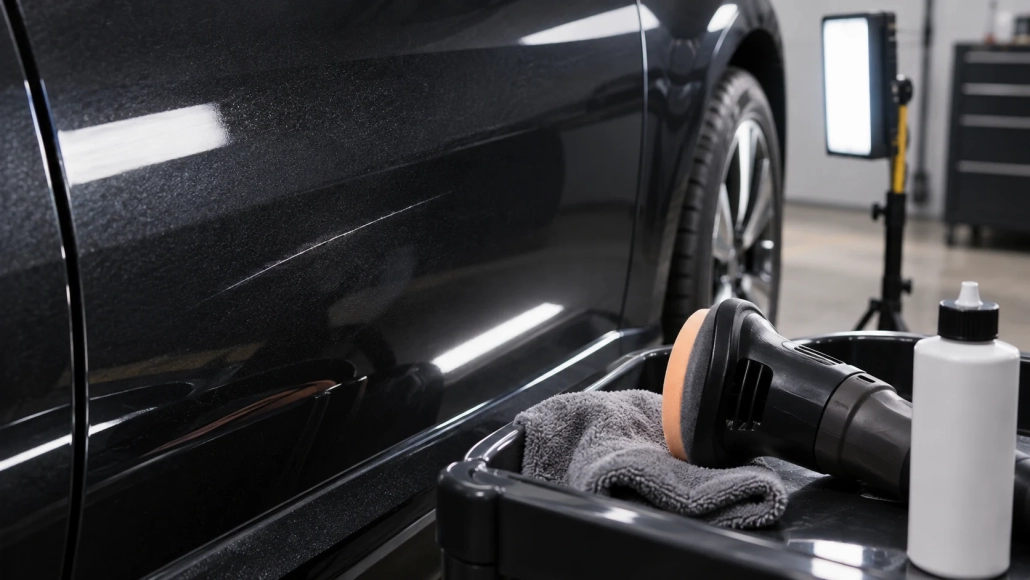
Learn when a heavy cut compound belongs in a paint correction plan and how to evaluate cutting performance, refinement and paint preservation together.
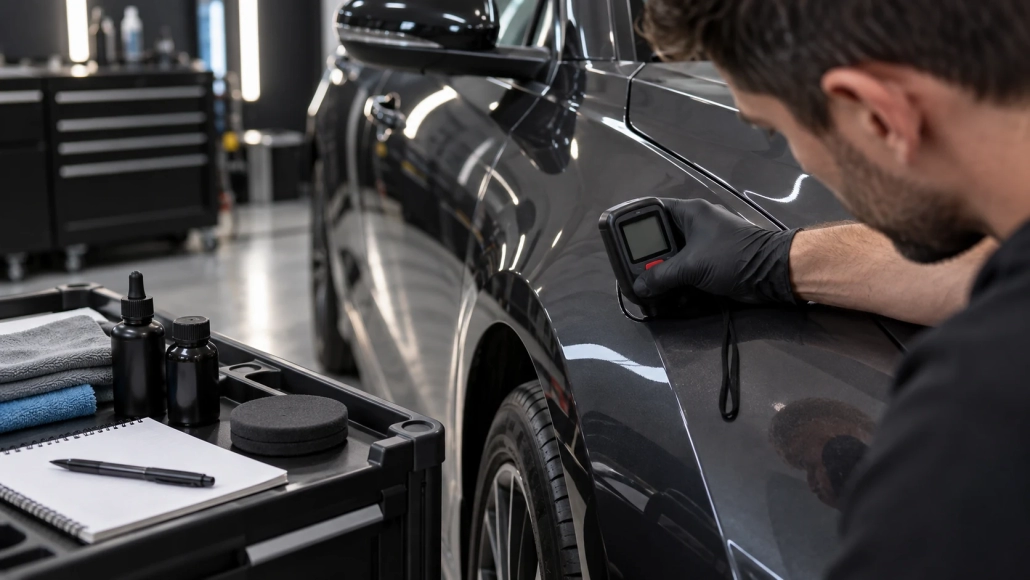
Compare foam and wool for heavy cutting by machine compatibility, defect reduction, finish quality and the maintenance each pad requires.
Set a paint-correction stopping point that balances appearance, remaining defects, paint condition and the customer's intended use.

 Heavy Cut Foam vs Wool Pads: Compare the Whole System