
Drying an Uncoated Car Without Heavy Rubbing
Dry uncoated paint with clean absorbent tools, controlled contact and attention to trapped water rather than pressure and repeated wiping.
Updated · NANOLAB Knowledge
Water may not release from uncoated paint as readily as from a freshly protected surface. That does not mean drying should require heavy rubbing. Clean tools, manageable sections and a thoroughly rinsed surface matter more than pressure.
Confirm the car is clean first
Do not use the drying towel to remove remaining dirt. If a panel still carries contamination, return to the appropriate wash stage. Rinse shampoo from seams and trim so it does not emerge into the towel during drying.
Work on cool panels and avoid letting water dry while preparing equipment. Keep several suitable clean towels available for larger vehicles.
Manage towel saturation
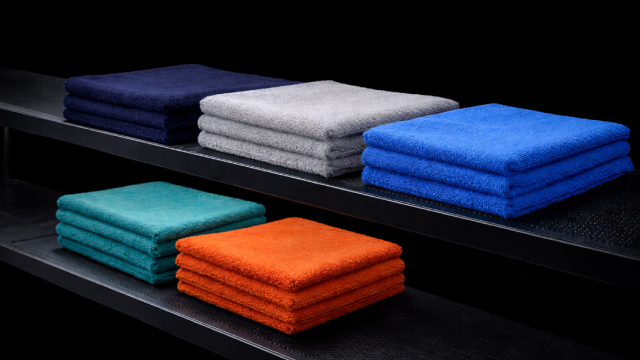
Use the towel according to its intended method and turn or replace it when it becomes saturated or dirty. Pressing harder on a wet towel does not restore its absorbency. Keep wheel and door-jamb towels separate from paint towels.
Where an appropriate air-drying tool is used, ensure it does not introduce contamination and follow its operating instructions. Do not force water into vulnerable openings.
Check for later drips
Inspect mirror bases, handles and trim after the first drying pass. Blot or remove released water gently with a clean towel. If spots remain, identify them before repeated rubbing.
Read microfiber laundry and hard-water washing of uncoated paint. A future NANOLAB coating can change surface behaviour, but it still requires careful drying and does not make mineral deposits impossible.