
Washing an Uncoated Car with Hard Water
Reduce mineral spotting by managing shade, section size, rinsing and drying when washing uncoated paint with hard water.
Updated · NANOLAB Knowledge
Hard water can leave mineral deposits when droplets dry. The practical response is to manage how long water remains on the surface and how quickly sections can be rinsed and dried, rather than assuming a shampoo will remove every risk.
Choose conditions you can control
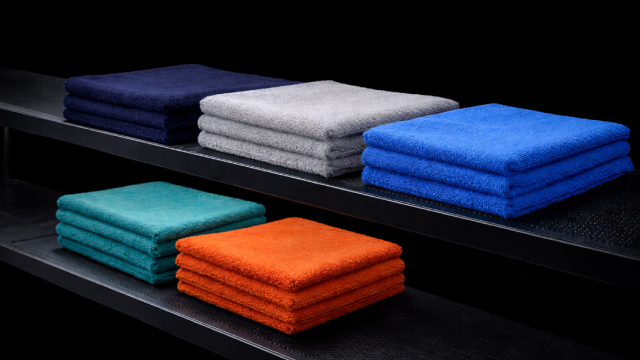
Wash on cool panels in shade where possible. Prepare drying towels before starting and reduce the working area if water is drying too quickly. Wind and panel temperature can matter as much as the air temperature.
If a suitable treated-water system is used, maintain and operate it according to its instructions. Do not assume its output remains unchanged indefinitely without checking its intended performance indicators.
Keep the sequence manageable
Use the correct shampoo dilution and rinse thoroughly. Avoid repeatedly wetting a finished area and then leaving it to dry while working elsewhere. Check horizontal panels and recesses where droplets collect.
Dry with clean suitable tools and inspect for drips from mirrors and trim. Heavy rubbing after a spot has dried is not an appropriate substitute for controlled drying.
Assess spots before treatment
Fresh residue and etched marks are different problems. Start with a compatible cleaning assessment and avoid household acid mixtures or abrasive scrubbing. Persistent marks may need professional inspection.
Read drying uncoated paint and water-spot diagnosis for the distinction between deposits and damage. NANOLAB protection can be considered for future care, but it should not be presented as a guarantee against hard-water spotting.