
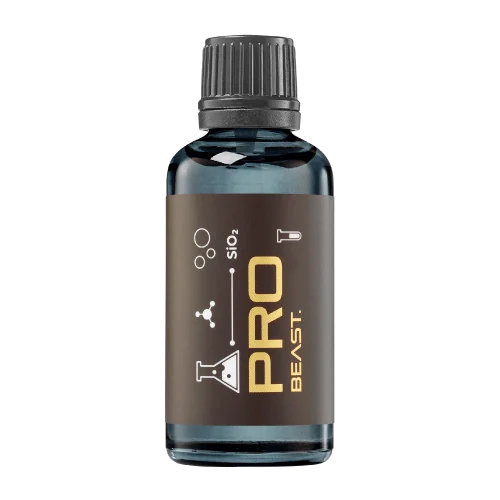

IN DEVELOPMENT / MATRIX SERIES
MATRIX ELITE P7020
The next flagship of the MATRIX series.
75%Solids content
Specialist chemistry. Expert application.
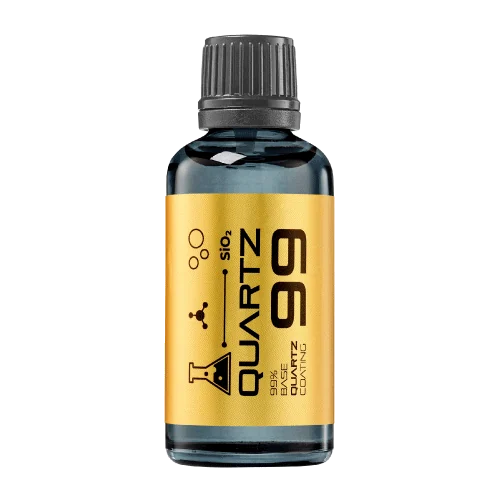 QUARTZ99 / CERAMIC BASE COAT
The foundation of your coating system.
A layerable quartz base coat designed for mechanical protection. Pair it with a suitable top coat to create the final finish.
For application by NANOLAB certified installers only.
Extended working time. A coating for the way you work.
 P5012MATRIX PRORefined protection for glossy finishes.Application1/10Discover P503GMATRIX GRAPHENEVersatile protection for gloss and matte finishes.Application1/10Discover P303MATRIX LITEFor efficient, high-volume detailing.Application1/10Discover
 Explore the BEAST family of ceramic coatings.
Find the coating for each exterior surface.
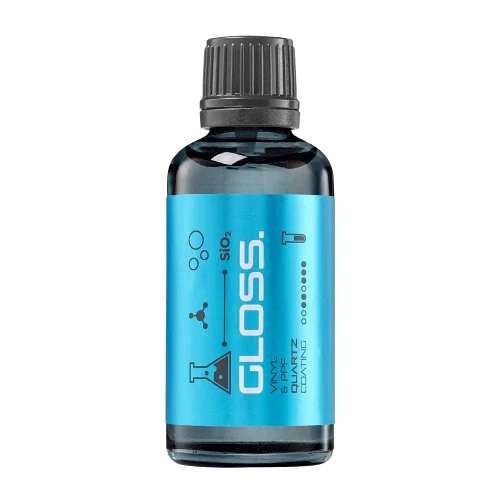 PPF & VINYLGLOSSProtection for glossy films and wraps.Application3/10Discover
 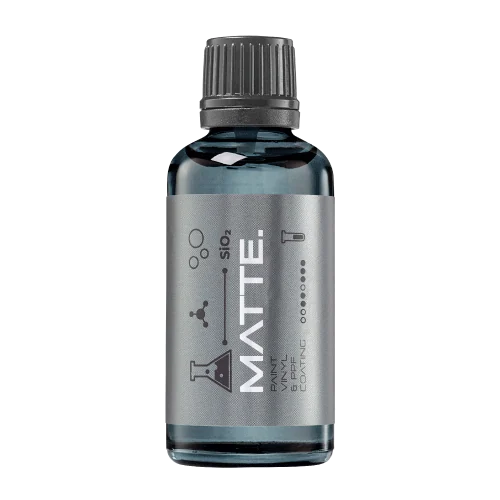 MATTE & SATINMATTEProtection that respects the finish.Application3/10Discover
 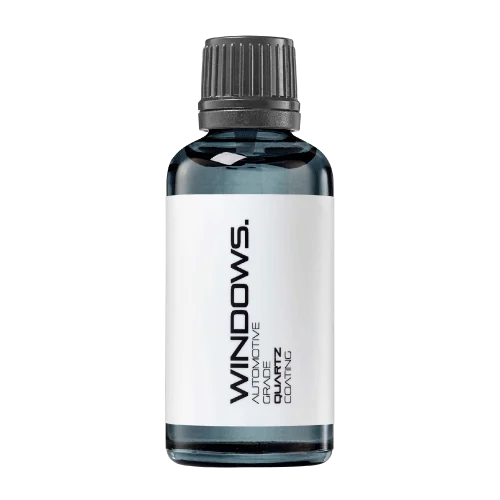 GLASSWINDOWSExplore dedicated glass protection.Application3/10Discover
 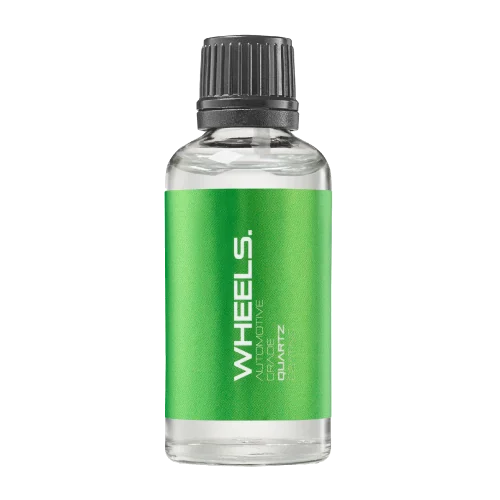 WHEEL PROTECTIONWHEELSA dedicated coating for your wheels.Application2/10Discover
 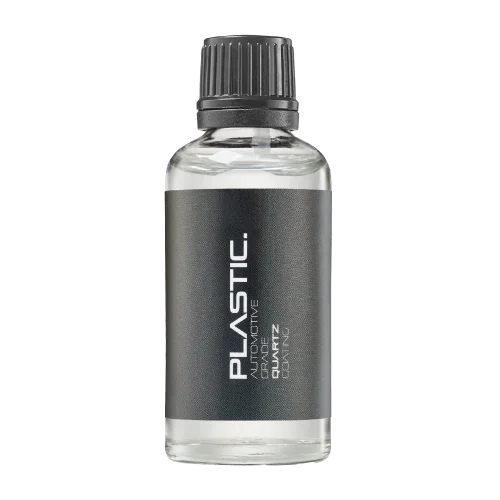 TRIM PROTECTIONPLASTICProtection for plastic surfaces.Application2/10Discover
 Dedicated care for the surfaces inside.
 LEATHER SURFACESLEATHERDiscover NANOLAB leather protection.Application5/10Discover PLASTIC SURFACESPLASTICProtection for interior plastic surfaces.Application2/10Discover TEXTILE SURFACESFABRICExplore the latest fabric formulation.Application2/10Discover
 Spray protection, maintenance and upcoming wash products.
 MAINTENANCEBEAST 365Explore the BEAST maintenance range.Application4/10Discover
 Next in washing, cleaning & care.
Ceramic protection for boats and yachts.
An easy-to-apply ceramic coating with an established track record on boats and yachts around the world.
Results vary with surface preparation, exposure and maintenance.
Read 50 MARINE guides →Explore MARINE Application4/10Protection for the surfaces you live with.
A look at what we’re developing.
The next flagship of the MATRIX series.
From cutting and one-step correction to final finishing.
A wider range for professional vehicle care.
Taking shape alongside BEAST & MATRIX.
Practical guidance for your next coating project.
Explore all guides →
Account for preparation, application, protected curing and inspection when deciding how many coating jobs a workshop can accommodate.
Updated · NANOLAB Knowledge
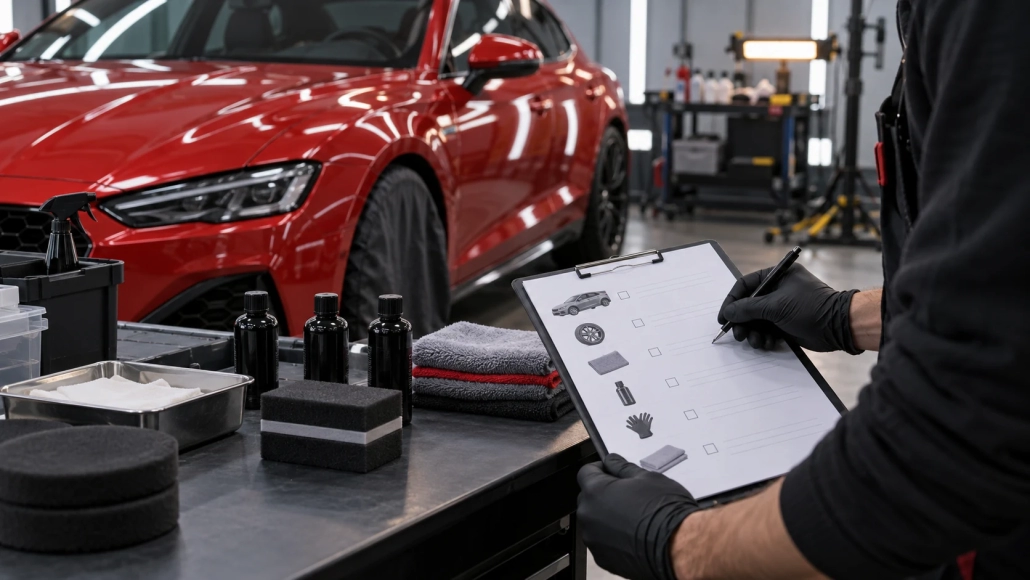
A coating job occupies more than the minutes spent applying liquid. Preparation, inspection and any required protected curing period all affect workshop capacity. Plan around the stage that limits the flow, not around the fastest possible application demonstration.
Record how long people work on the vehicle and how long the vehicle occupies a particular space. These are different measures. A car may need protected space after active labour ends, while another stage may require several people for a shorter period.
Use the workday planning guide to map the sequence. Keep product-specific curing and release conditions attached to the relevant stage instead of assuming every coating follows the same timetable.
The constraint may be a clean application bay, inspection lighting, polishing capacity or protected overnight storage. Adding an installer will not solve a shortage of suitable curing space. Equally, an empty bay may not be ready if nearby work creates dust or contamination.
Track a representative set of jobs by vehicle condition and service scope. Do not use the shortest job as the default estimate for all future bookings.
Allow for unexpected contamination, customer-approved changes and rework. A schedule with no room for a final inspection creates pressure to release a vehicle before concerns have been resolved. Decide in advance which tasks can move and which conditions must be satisfied before release.
For example, a vehicle with additional correction needs may be held at the preparation stage while a clean, approved job proceeds elsewhere. That decision requires clear vehicle status and a suitable separation of work areas.
Compare planned and actual occupancy, then adjust estimates using the reasons for differences. Keep commercial promises aligned with the curing and release requirements of the chosen product.
Use final inspection as a planned stage, not a task squeezed into the collection appointment. Where a NANOLAB system raises a scheduling question, confirm it through product documentation before building it into the standard booking process.
Build a workshop schedule that separates active work, waiting periods and protected curing space for the chosen product system.
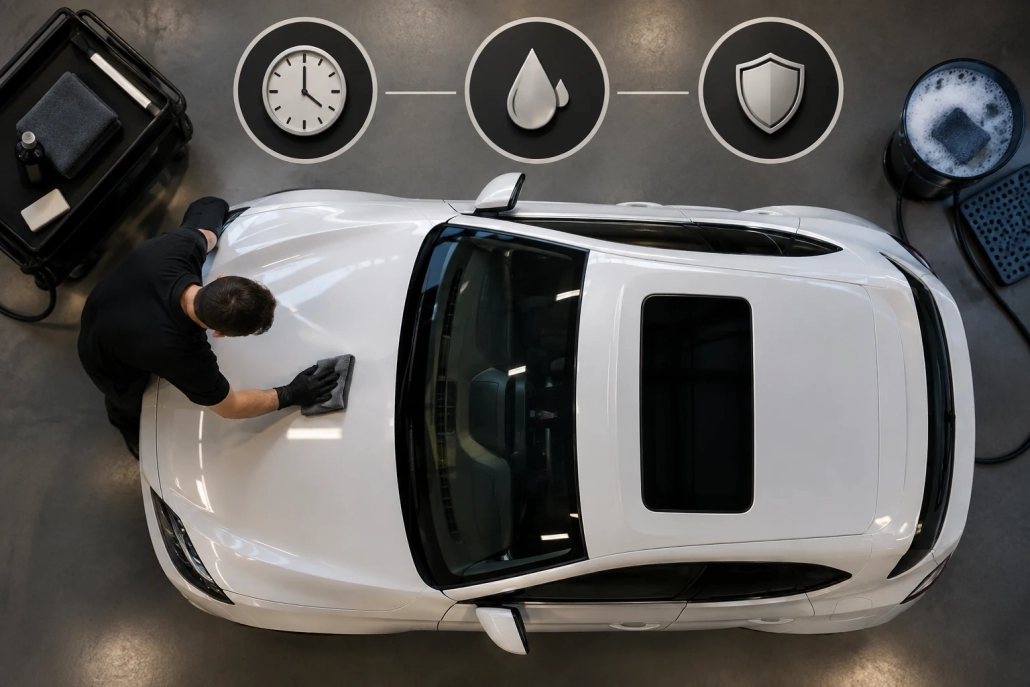
Separate the main curing milestones and use the exact NANOLAB product schedule instead of applying one universal waiting period.

Use a systematic finish check before handover, including residue, edges, treated surfaces and written curing instructions.

 Assessing Installer Readiness for a Coating Workflow