






A full polishing range.
From cutting and one-step correction to final finishing.
Specialist chemistry. Expert application.
 QUARTZ99 / CERAMIC BASE COAT
The foundation of your coating system.
A layerable quartz base coat designed for mechanical protection. Pair it with a suitable top coat to create the final finish.
For application by NANOLAB certified installers only.
Four formulas. Extended working time. Find the coating for your finish.
Explore the BEAST family of ceramic coatings.
Find the coating for each exterior surface.
 PPF & VINYLGLOSSProtection for glossy films and wraps.Discover
 MATTE & SATINMATTEProtection that respects the finish.Discover
 GLASSWINDOWSExplore dedicated glass protection.Discover
 WHEEL PROTECTIONWHEELSA dedicated coating for your wheels.Discover
 TRIM PROTECTIONPLASTICProtection for plastic surfaces.Discover
Dedicated care for the surfaces inside.
 LEATHER SURFACESLEATHERDiscover NANOLAB leather protection.Discover PLASTIC SURFACESPLASTICProtection for interior plastic surfaces.Discover TEXTILE SURFACESFABRICExplore the latest fabric formulation.Discover
Spray protection, maintenance and upcoming wash products.
 MAINTENANCEBEAST 365Explore the BEAST maintenance range.Discover
Next in washing, cleaning & care.
Ceramic protection for boats and yachts.
An easy-to-apply ceramic coating with an established track record on boats and yachts around the world.
Results vary with surface preparation, exposure and maintenance.
Read 50 MARINE guides →Explore MARINEProtection for the surfaces you live with.
A look at what we’re developing.
From cutting and one-step correction to final finishing.
A wider range for professional vehicle care.
Taking shape alongside BEAST & MATRIX.
Practical guidance for your next coating project.
Explore all guides →
Calculate coating pilot cost per accepted area, including rework and inspection, rather than dividing product cost by the area initially treated.
Updated · NANOLAB Knowledge
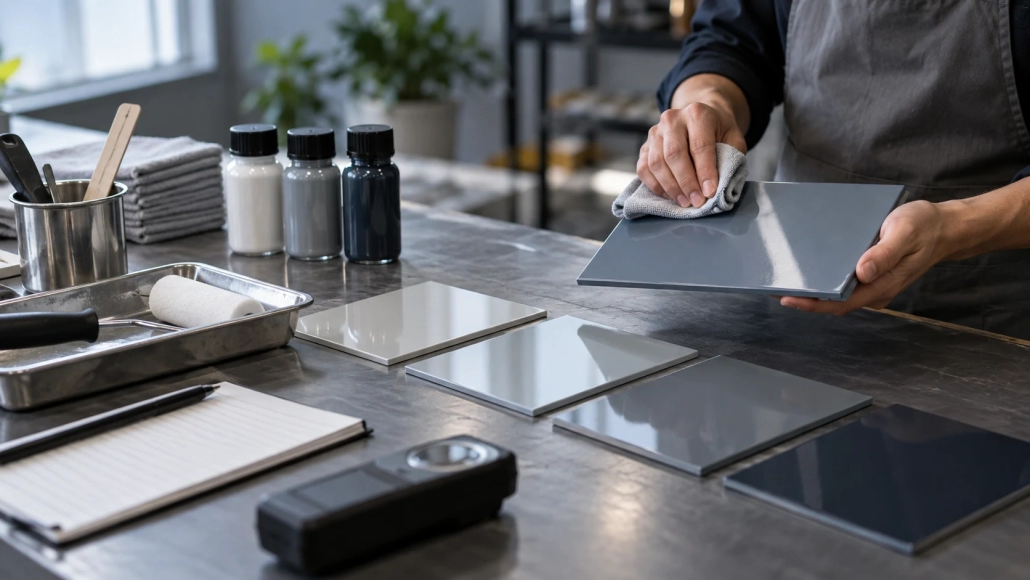
A pilot’s useful output is accepted surface area, not simply area coated. Including rejected or unfinished work in the denominator can make a weak process appear economical.
Agree the appearance, performance and documentation requirements before the trial. State whether costs include preparation, labour, coating, consumables, inspection, rework and disposal. Keep one-time development costs visible rather than mixing them silently with routine production estimates.
An illustrative pilot costs 1,200 currency units and treats 100 square metres. If 80 square metres are accepted at the reporting date, cost per accepted square metre is 1,200/80 = 15. Dividing by all treated area gives 12, which answers a different question.
If another 200 is spent and accepted area reaches 100 square metres, the cumulative cost becomes 1,400/100 = 14 per accepted square metre. Preserve the original first-pass acceptance result; the improved final ratio should not erase the rework history.
The pilot provides a structured estimate, not a guaranteed production price. Its value comes from showing which part of the process drives cost and whether a proposed improvement increases accepted output.
Discuss your private-label coating project. For application and care, use the current instructions for the exact product.
Compare private label coating samples using consistent preparation, application notes, finish checks and aftercare observations.
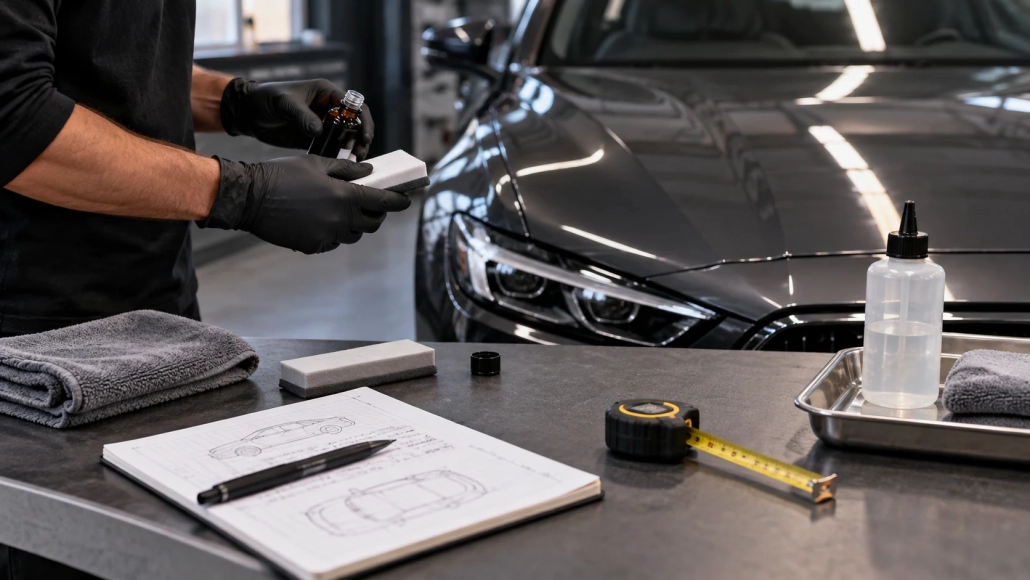
Compare private label ceramic coatings by measured usable yield per vehicle, including application waste, accessories and the service scope.
Calculate coating inventory cover from usable stock and relevant demand, while keeping reservations, expiry and seasonality visible.

 Coating Tests with Missed Visits: Report an Interval for the Failure Time