






A full polishing range.
From cutting and one-step correction to final finishing.
Specialist chemistry. Expert application.
 QUARTZ99 / CERAMIC BASE COAT
The foundation of your coating system.
A layerable quartz base coat designed for mechanical protection. Pair it with a suitable top coat to create the final finish.
For application by NANOLAB certified installers only.
Four formulas. Extended working time. Find the coating for your finish.
Explore the BEAST family of ceramic coatings.
Find the coating for each exterior surface.
 PPF & VINYLGLOSSProtection for glossy films and wraps.Discover
 MATTE & SATINMATTEProtection that respects the finish.Discover
 GLASSWINDOWSExplore dedicated glass protection.Discover
 WHEEL PROTECTIONWHEELSA dedicated coating for your wheels.Discover
 TRIM PROTECTIONPLASTICProtection for plastic surfaces.Discover
Dedicated care for the surfaces inside.
 LEATHER SURFACESLEATHERDiscover NANOLAB leather protection.Discover PLASTIC SURFACESPLASTICProtection for interior plastic surfaces.Discover TEXTILE SURFACESFABRICExplore the latest fabric formulation.Discover
Spray protection, maintenance and upcoming wash products.
 MAINTENANCEBEAST 365Explore the BEAST maintenance range.Discover
Next in washing, cleaning & care.
Ceramic protection for boats and yachts.
An easy-to-apply ceramic coating with an established track record on boats and yachts around the world.
Results vary with surface preparation, exposure and maintenance.
Read 50 MARINE guides →Explore MARINEProtection for the surfaces you live with.
A look at what we’re developing.
From cutting and one-step correction to final finishing.
A wider range for professional vehicle care.
Taking shape alongside BEAST & MATRIX.
Practical guidance for your next coating project.
Explore all guides →
Adapt a cold-weather wash around access, rinsing and drying before changing chemical concentration, while respecting product limits.
Updated · NANOLAB Knowledge
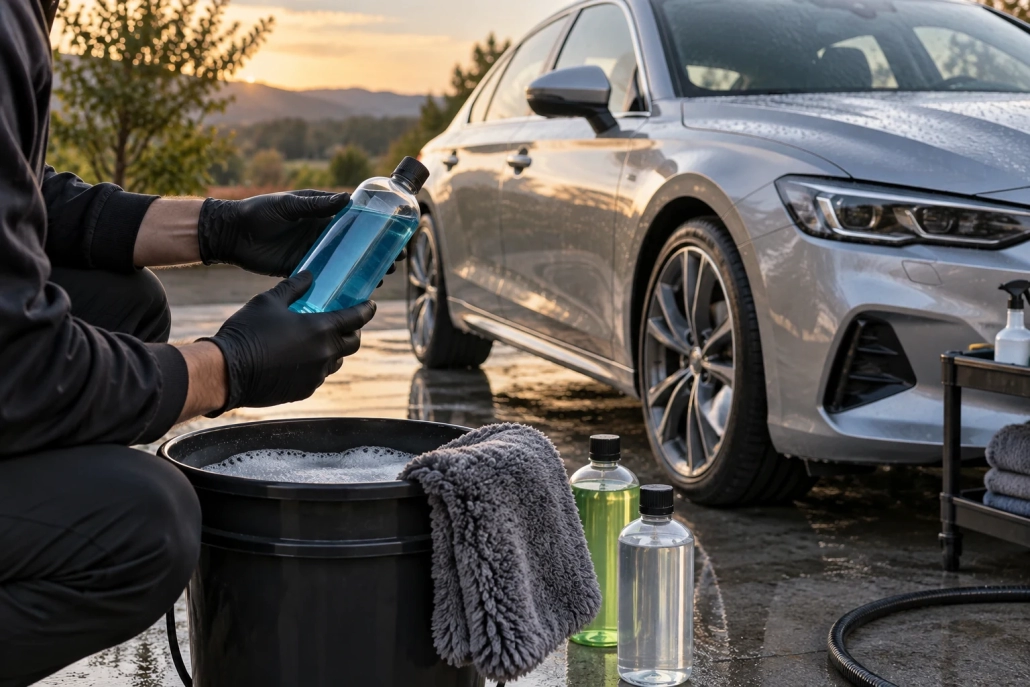
Cold conditions can make washing slower because access, water management and drying become harder. Increasing chemical strength does not solve every one of those problems. Review the workflow first and stay within the product and equipment instructions.
Check whether the cleaning products were stored appropriately and whether the current application conditions are permitted. A product surviving storage does not mean it can be used at any surface temperature. Do not use a partly frozen or visibly changed product without appropriate supplier guidance.
| Constraint | Practical response |
|---|---|
| Inadequate drying time | Allow more suitable drying capacity |
| Water retained in gaps | Use an appropriate controlled drying sequence |
| Unsafe freezing conditions | Postpone or move to a suitable environment |
| Persistent specific contamination | Assess a compatible targeted process |
Use the normal approved concentration on a suitable area. Record cleaning completeness, rinse time and the final dry appearance. Keep the test focused on the suspected limitation. If the surface is clean but remains wet in inaccessible areas, more concentrate is unlikely to address the main delay.
Film edges, trim, seals and repaired finishes retain their own care requirements in winter. Do not use abrupt heating or unapproved chemicals to accelerate the job. Choose a safe environment and process rather than forcing a summer schedule into unsuitable conditions.
An illustrative workshop may find that a longer drying allocation eliminates recurring drips while the shampoo dose remains unchanged. That is a workflow improvement, not evidence that the shampoo became more effective in the cold.
Allow realistic time and explain any weather-related limits to the customer. Record changes to the normal method so later coating reviews can account for the maintenance history.
A good cold-weather routine preserves cleaning quality and surface care under the conditions available. Chemical strength should change only for a justified product-specific reason.
Ask NANOLAB about your surface and intended use. For application and care, use the current instructions for the exact product.
Choose a compatible wash product, use its dilution correctly and avoid judging cleaning suitability from a ceramic label or foam thickness alone.
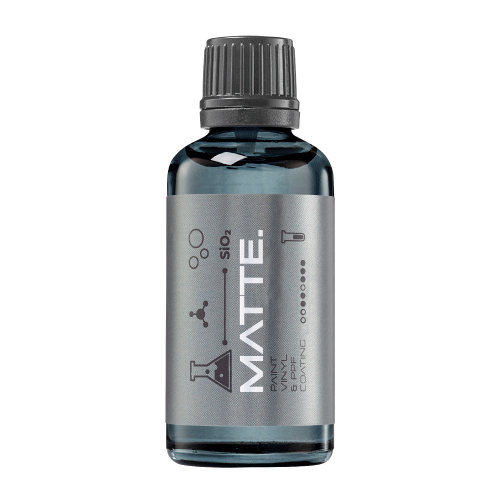
A product's permitted storage range is not automatically its application range. These instructions describe different conditions and purposes.
Compare shampoo performance in two water supplies while holding dose, contamination, tools and rinse procedure consistent.

 Polishing Trial Economics: Compare the Whole Correction Sequence