

IN DEVELOPMENT / MATRIX SERIES
MATRIX ELITE P7020
The next flagship of the MATRIX series.
75%Solids content
Specialist chemistry. Expert application.
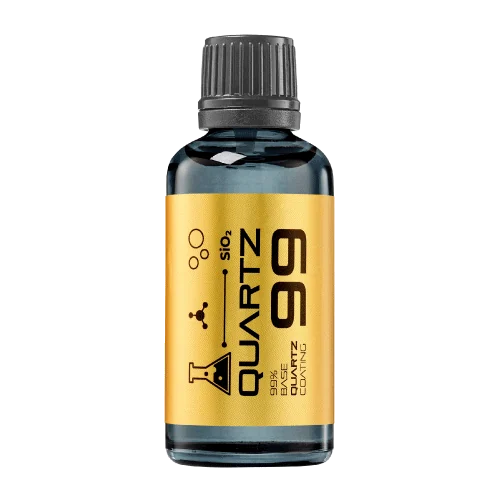 QUARTZ99 / CERAMIC BASE COAT
The foundation of your coating system.
A layerable quartz base coat designed for mechanical protection. Pair it with a suitable top coat to create the final finish.
For application by NANOLAB certified installers only.
Extended working time. A coating for the way you work.
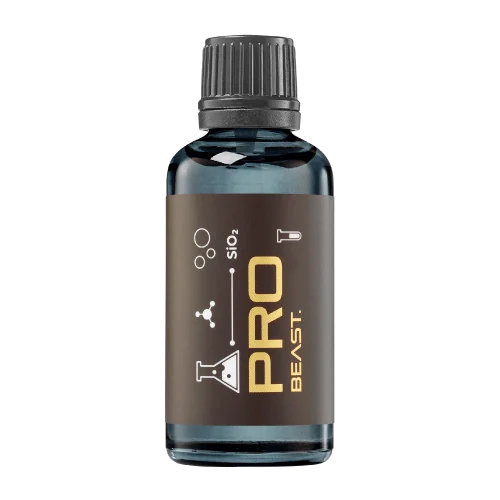
 P5012MATRIX PRORefined protection for glossy finishes.Application1/10Discover P503GMATRIX GRAPHENEVersatile protection for gloss and matte finishes.Application1/10Discover P303MATRIX LITEFor efficient, high-volume detailing.Application1/10Discover
 Explore the BEAST family of ceramic coatings.
Find the coating for each exterior surface.
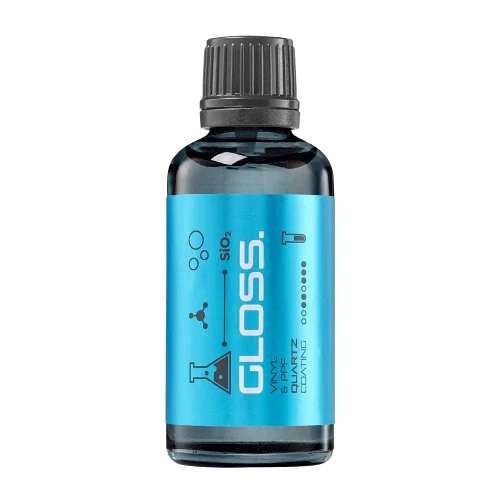 PPF & VINYLGLOSSProtection for glossy films and wraps.Application3/10Discover
 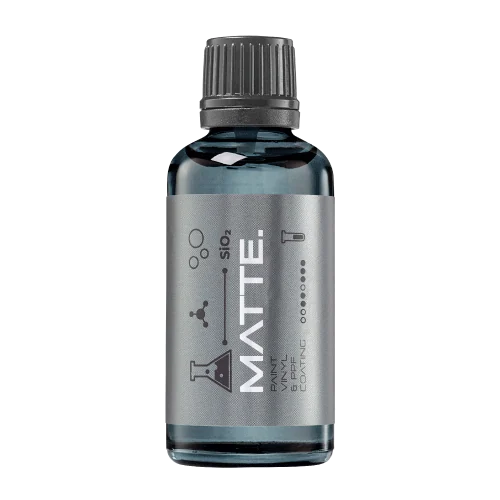 MATTE & SATINMATTEProtection that respects the finish.Application3/10Discover
 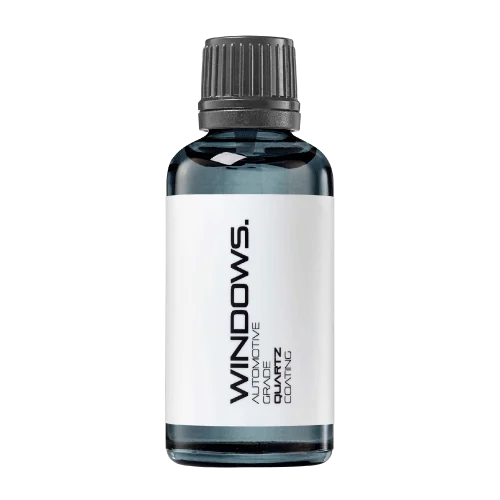 GLASSWINDOWSExplore dedicated glass protection.Application3/10Discover
 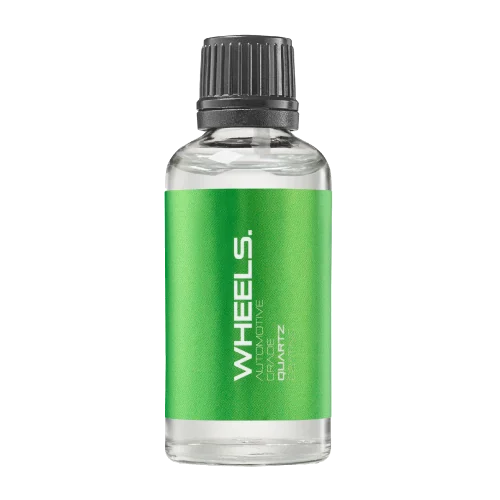 WHEEL PROTECTIONWHEELSA dedicated coating for your wheels.Application2/10Discover
 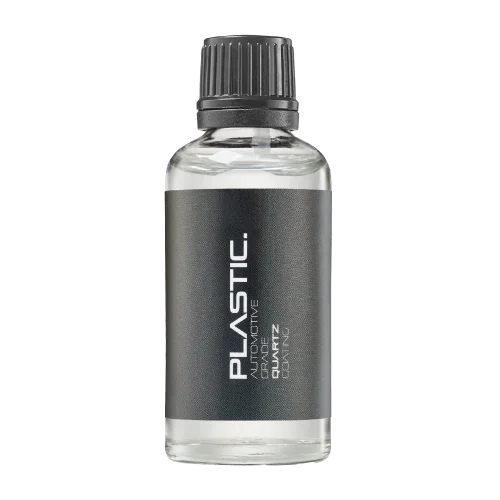 TRIM PROTECTIONPLASTICProtection for plastic surfaces.Application2/10Discover
 Dedicated care for the surfaces inside.
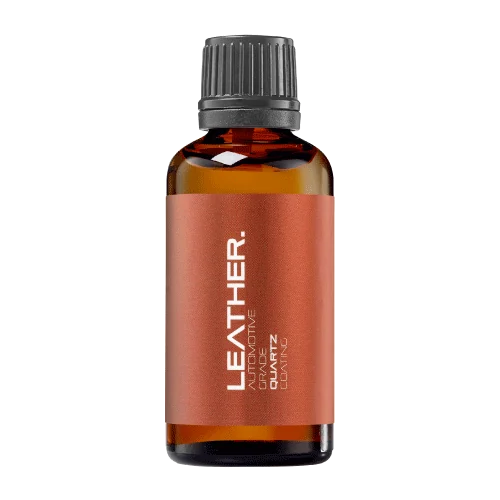 LEATHER SURFACESLEATHERDiscover NANOLAB leather protection.Application5/10Discover PLASTIC SURFACESPLASTICProtection for interior plastic surfaces.Application2/10Discover TEXTILE SURFACESFABRICExplore the latest fabric formulation.Application2/10Discover
 Spray protection, maintenance and upcoming wash products.
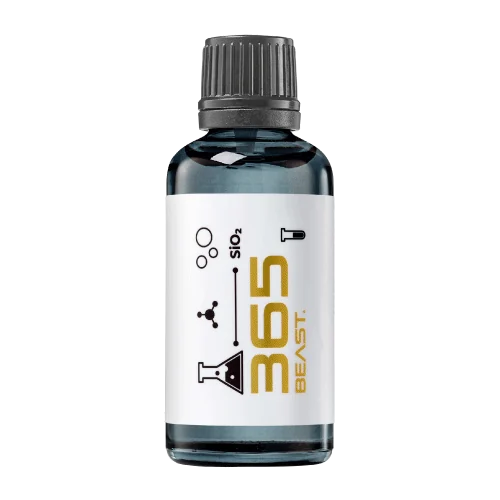 MAINTENANCEBEAST 365Explore the BEAST maintenance range.Application4/10Discover
 Next in washing, cleaning & care.
Ceramic protection for boats and yachts.
An easy-to-apply ceramic coating with an established track record on boats and yachts around the world.
Results vary with surface preparation, exposure and maintenance.
Read 50 MARINE guides →Explore MARINE Application4/10Protection for the surfaces you live with.
A look at what we’re developing.
The next flagship of the MATRIX series.
From cutting and one-step correction to final finishing.
A wider range for professional vehicle care.
Taking shape alongside BEAST & MATRIX.
Practical guidance for your next coating project.
Explore all guides →
Collect useful evidence about a coating concern, recent care and surface condition before proposing cleaning, correction or a replacement.
Updated · NANOLAB Knowledge
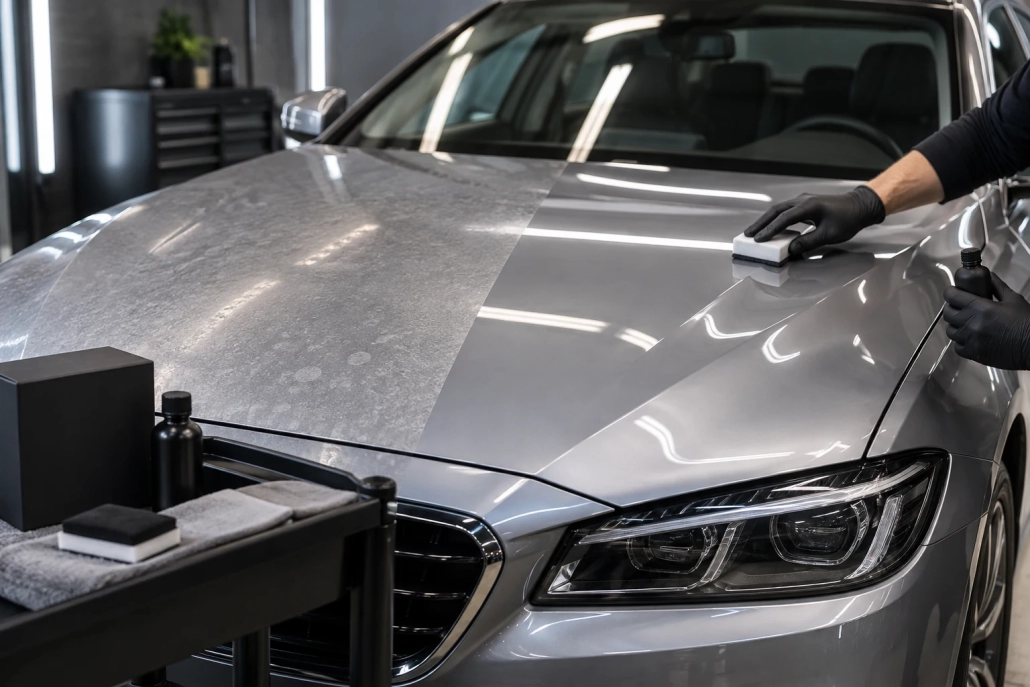
When a customer reports that a ceramic coating has stopped working, the first task is to define what changed. Poor water behaviour, a visible mark and a difficult wash are different observations. A short, structured conversation can prevent an unnecessary corrective treatment and give technical support evidence it can use.
Ask the customer to describe what they see without supplying a diagnosis. Establish the affected surface, when the change appeared and whether it remains after an ordinary compatible wash. Record whether the concern is appearance, cleaning effort or water behaviour.
For example, a bonnet that beads differently from the doors may have a different exposure history. The horizontal and vertical wear guide explains why location matters when interpreting a concern.
Ask about washing, drying, parking, workshop visits and products applied since installation. A topper, drying aid or unfamiliar wash service can change the surface behaviour being observed. Request the product names and instructions where available rather than guessing from colour or smell.
Use the customer’s coating maintenance log if one exists. An incomplete record is still useful when its uncertainties are stated clearly.
Ask for an overview image and a closer image under consistent lighting. Include a dry-surface view when the issue is a mark or haze. A water video may supplement the record, but it does not independently establish coating thickness, remaining service life or chemical condition.
The coating photo documentation guide can help make images comparable. Do not ask a customer to polish, scrape or use a strong cleaner merely to generate a diagnostic result.
Separate confirmed facts from hypotheses. If safe, compatible cleaning is appropriate, explain the limited question it is intended to answer. If the concern remains uncertain, arrange inspection or contact product support before escalating treatment.
Record the agreed action and follow-up observation. Consult uneven coating behaviour for a diagnostic framework, while recognising that a remote conversation cannot reliably resolve every surface condition.
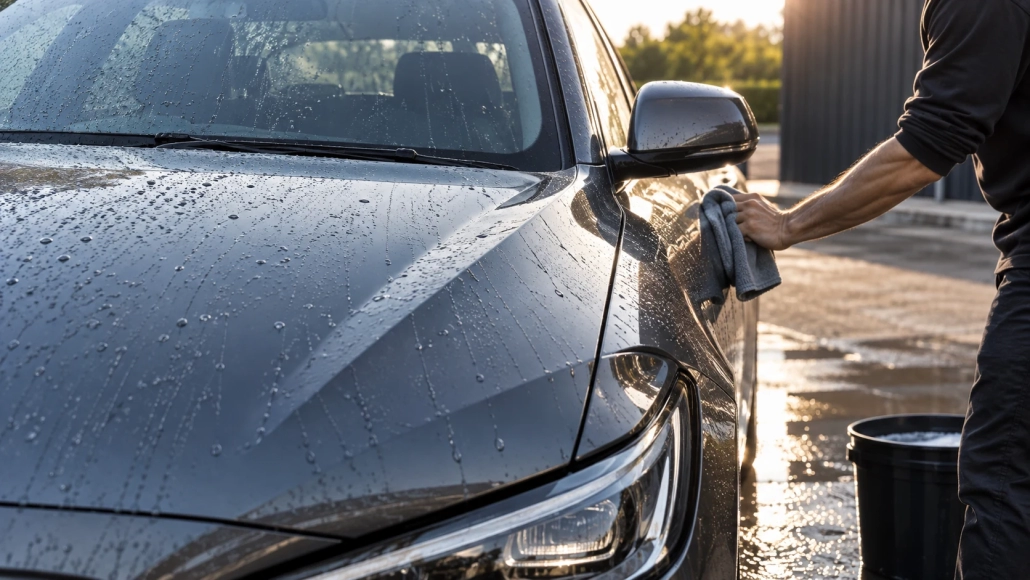
Assess differences between roofs, bonnets and doors by considering exposure, contamination and washing before judging coating condition.
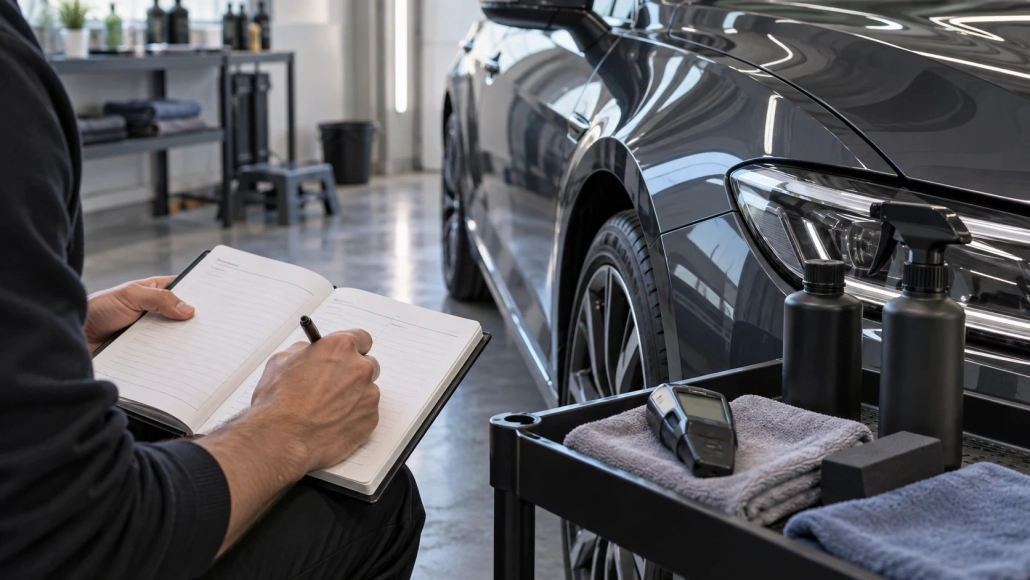
Record washes, contamination events and maintenance treatments so changes in a coated surface can be assessed with useful context.
Create honest, useful photographs that document preparation results and finish condition without confusing lighting changes with correction.

 Keeping Coating Service Consistent Across Multiple Workshops