






A full polishing range.
From cutting and one-step correction to final finishing.
Specialist chemistry. Expert application.
 QUARTZ99 / CERAMIC BASE COAT
The foundation of your coating system.
A layerable quartz base coat designed for mechanical protection. Pair it with a suitable top coat to create the final finish.
For application by NANOLAB certified installers only.
Four formulas. Extended working time. Find the coating for your finish.
Explore the BEAST family of ceramic coatings.
Find the coating for each exterior surface.
 PPF & VINYLGLOSSProtection for glossy films and wraps.Discover
 MATTE & SATINMATTEProtection that respects the finish.Discover
 GLASSWINDOWSExplore dedicated glass protection.Discover
 WHEEL PROTECTIONWHEELSA dedicated coating for your wheels.Discover
 TRIM PROTECTIONPLASTICProtection for plastic surfaces.Discover
Dedicated care for the surfaces inside.
 LEATHER SURFACESLEATHERDiscover NANOLAB leather protection.Discover PLASTIC SURFACESPLASTICProtection for interior plastic surfaces.Discover TEXTILE SURFACESFABRICExplore the latest fabric formulation.Discover
Spray protection, maintenance and upcoming wash products.
 MAINTENANCEBEAST 365Explore the BEAST maintenance range.Discover
Next in washing, cleaning & care.
Ceramic protection for boats and yachts.
An easy-to-apply ceramic coating with an established track record on boats and yachts around the world.
Results vary with surface preparation, exposure and maintenance.
Read 50 MARINE guides →Explore MARINEProtection for the surfaces you live with.
A look at what we’re developing.
From cutting and one-step correction to final finishing.
A wider range for professional vehicle care.
Taking shape alongside BEAST & MATRIX.
Practical guidance for your next coating project.
Explore all guides →
Create honest, useful photographs that document preparation results and finish condition without confusing lighting changes with correction.
Updated · NANOLAB Knowledge
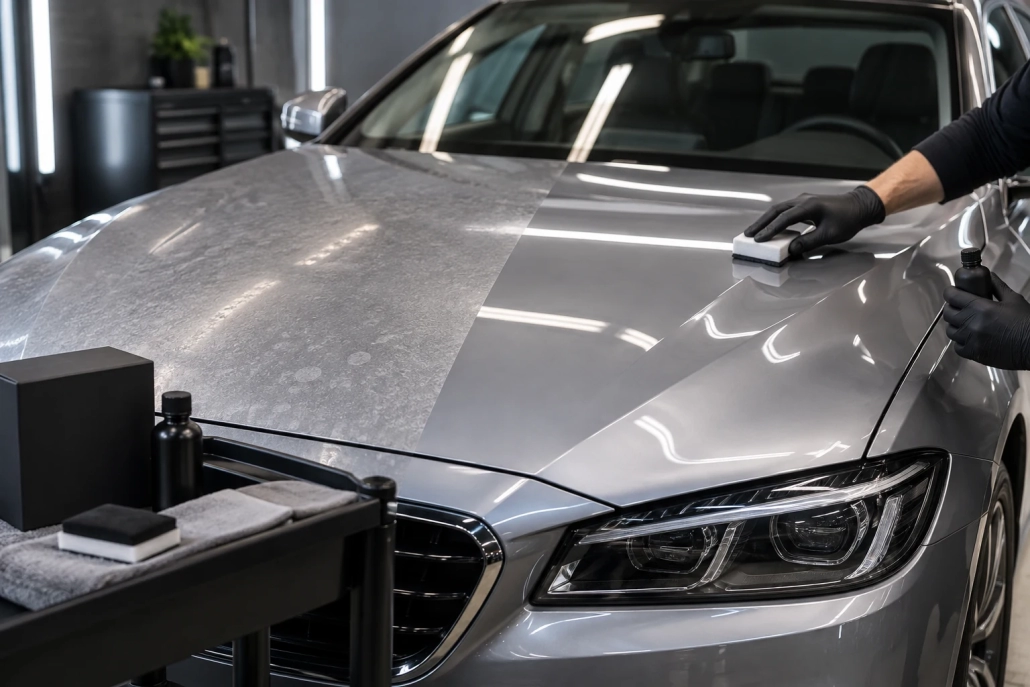
Use consistent angles, lighting and exposure where possible. Photograph the overall vehicle and specific defects, with enough context to identify the panel. A brighter after image can look more impressive without showing what actually changed.
Keep separate records after cleaning, after correction and after coating when those stages matter. This helps distinguish polishing improvement from coating enhancement.
Document deep scratches, chips and repair areas that will remain. Record the agreed correction scope so the final images can be interpreted against a realistic target. Avoid presenting a reflection-heavy image as proof that all marks were removed.
For matte finishes, capture consistent sheen rather than treating increased gloss as the goal.
Store images with the date, product and panel notes. Follow the customer’s permissions when using identifiable vehicle images publicly. For maintenance diagnosis, comparable photos can help show when a spot or haze first appeared. Documentation is most useful when it supports clear communication and repeatable inspection, not only promotional appearance.
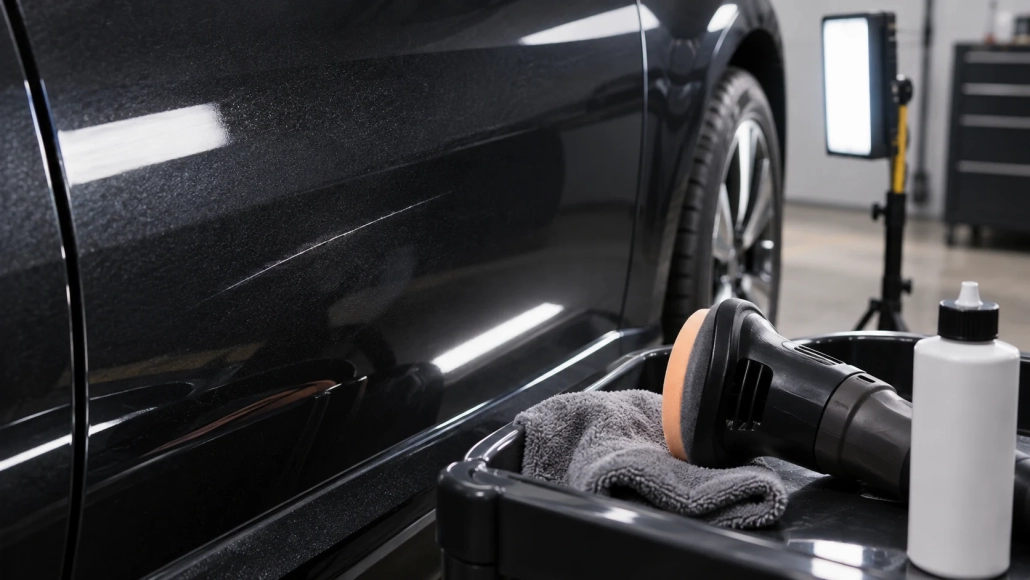
Assess an isolated paint scratch by its location, paint history and response to a conservative test instead of chasing complete removal.
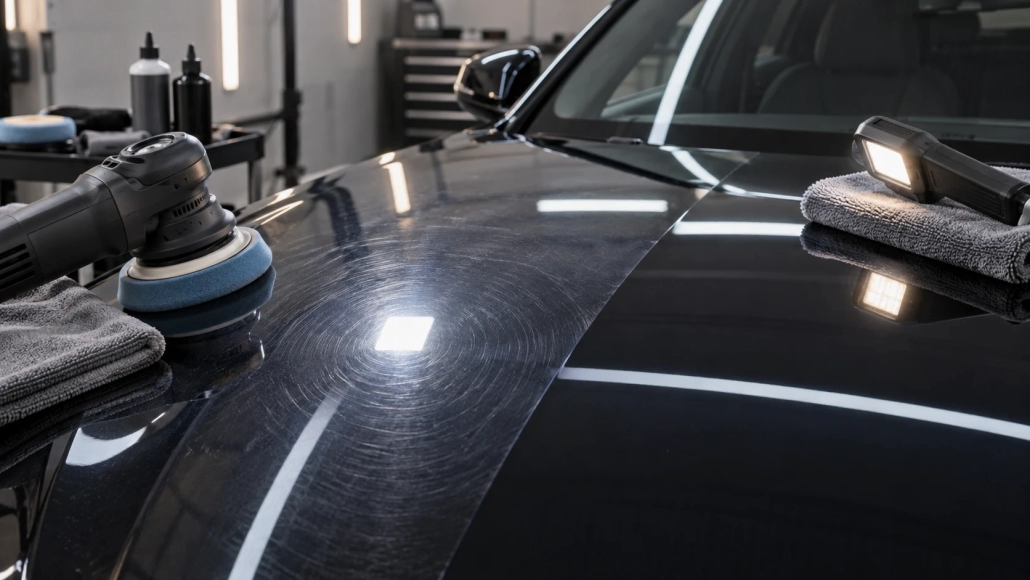
Set a paint-correction stopping point that balances appearance, remaining defects, paint condition and the customer's intended use.
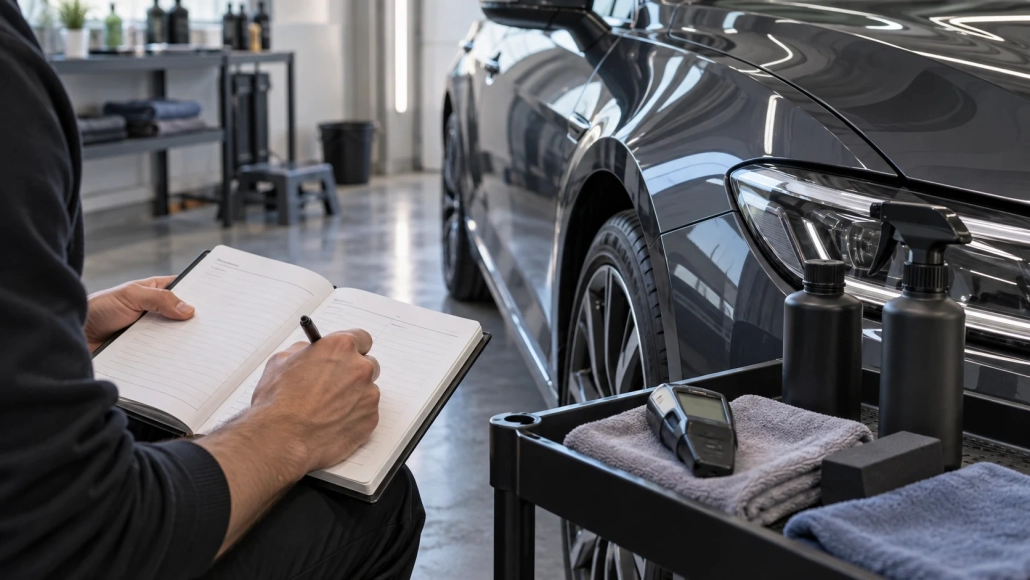
Record washes, contamination events and maintenance treatments so changes in a coated surface can be assessed with useful context.
Collect useful evidence about a coating concern, recent care and surface condition before proposing cleaning, correction or a replacement.
Give technical support a concise record of the product, surface, conditions and observed issue so advice can address the actual installation.

 What Does 9H Mean on a Ceramic Coating?