
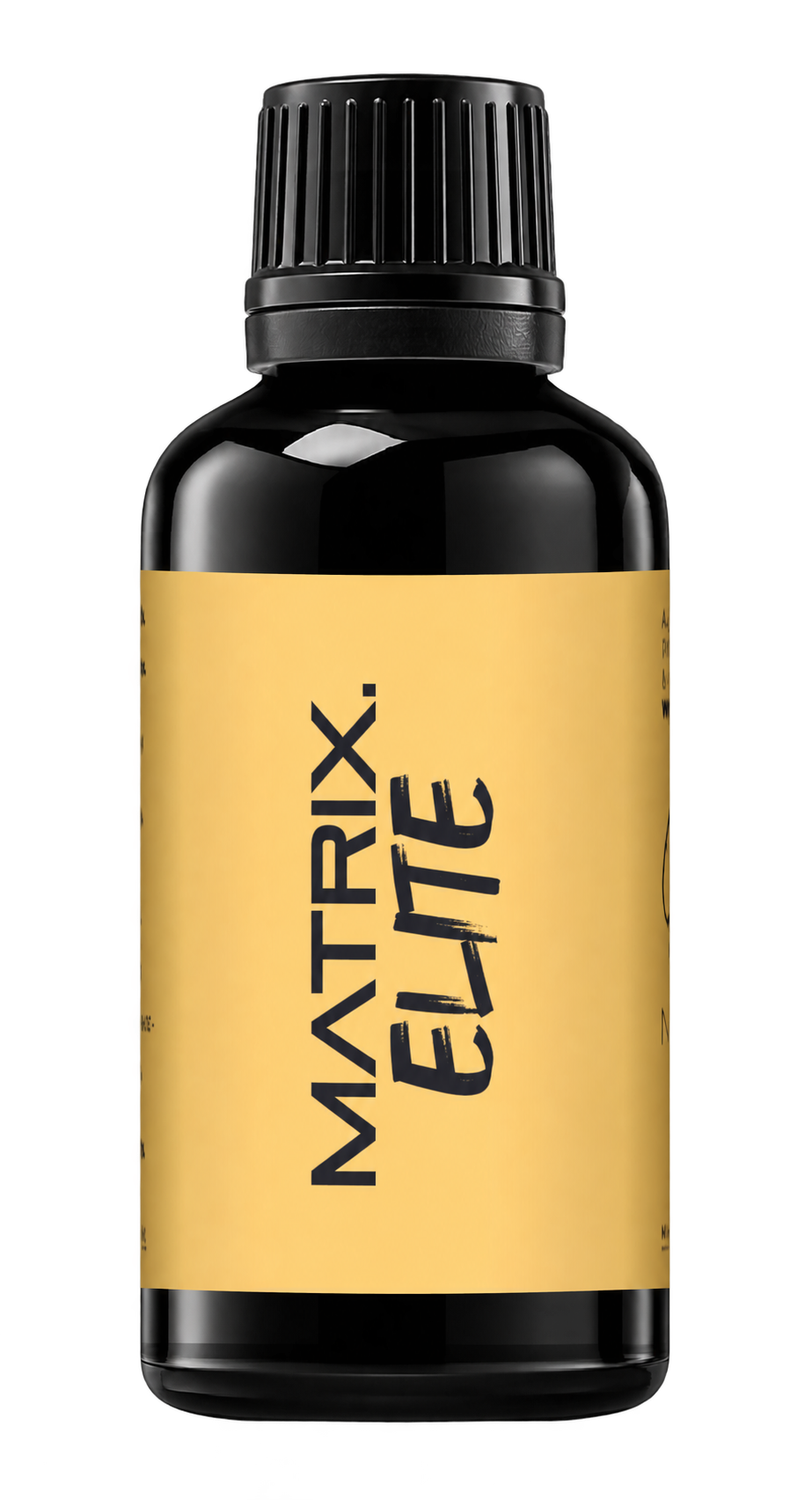
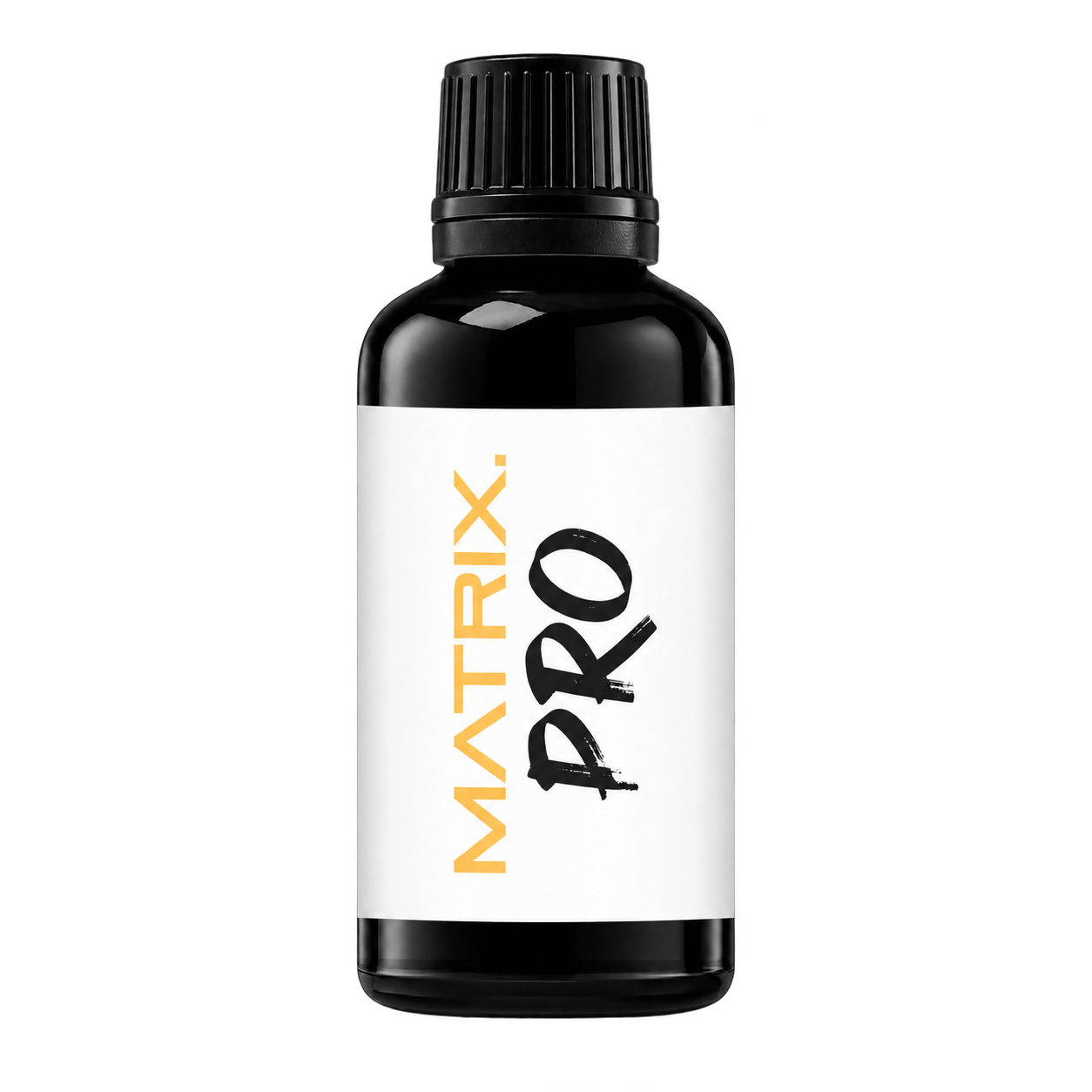
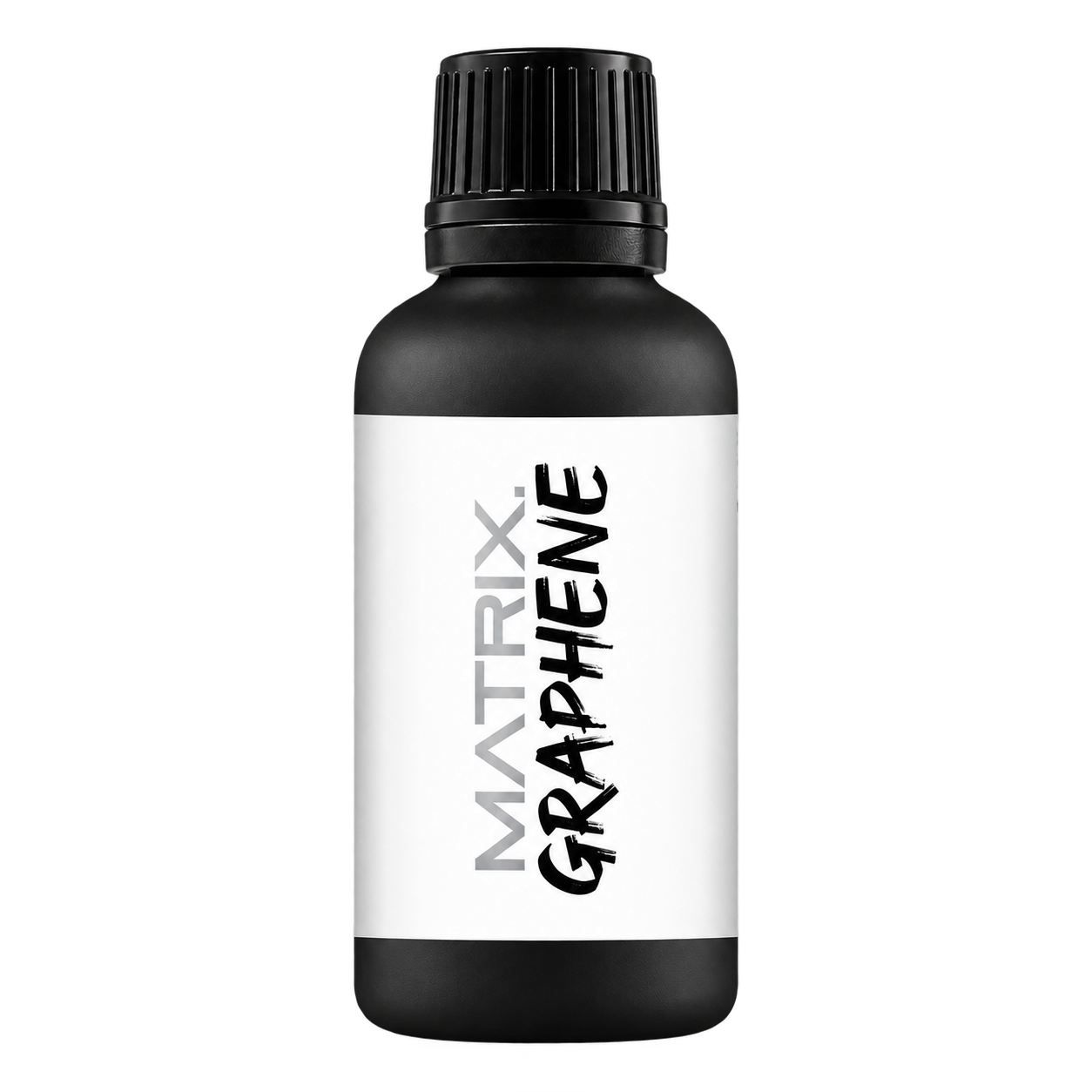
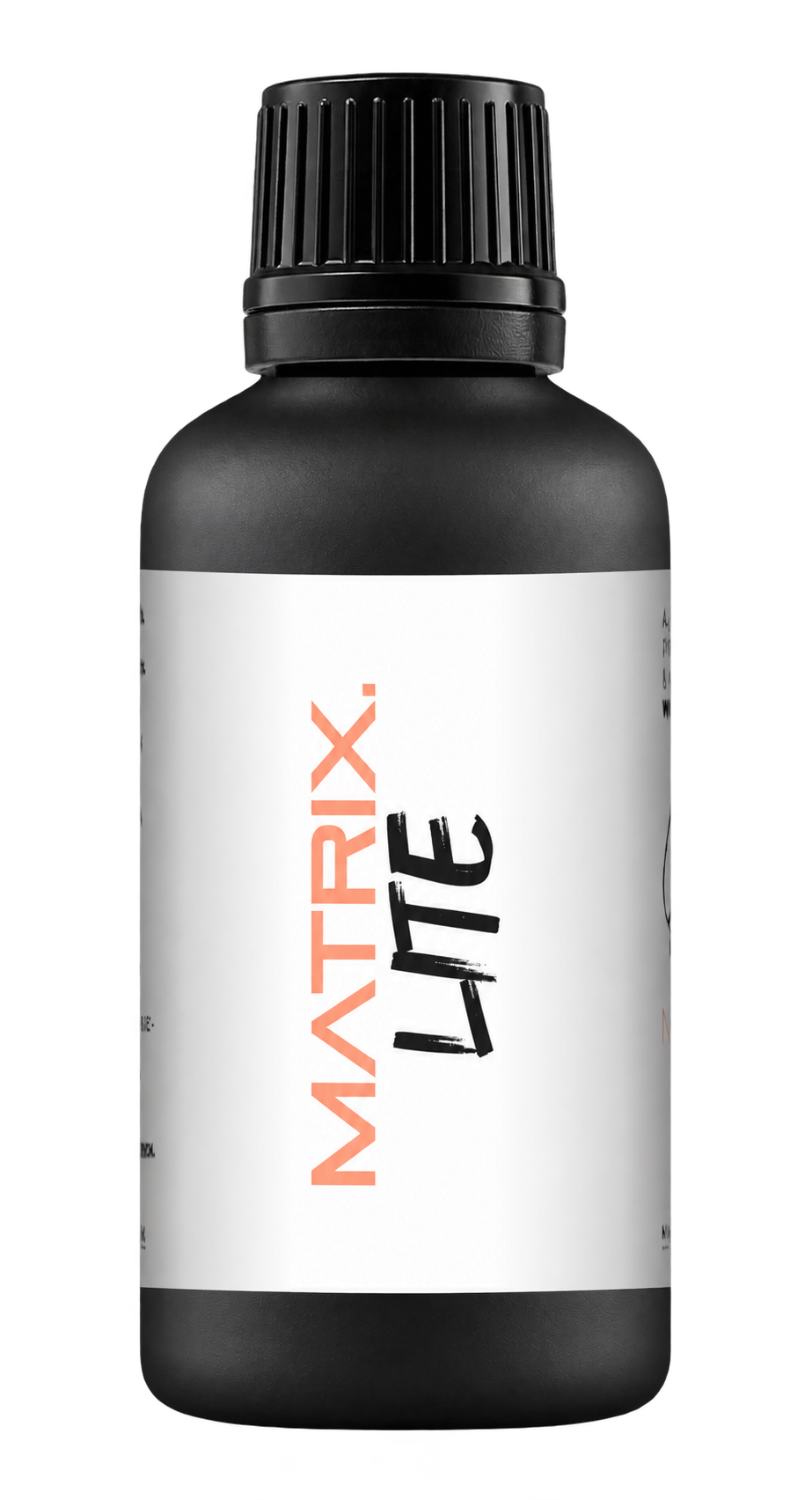
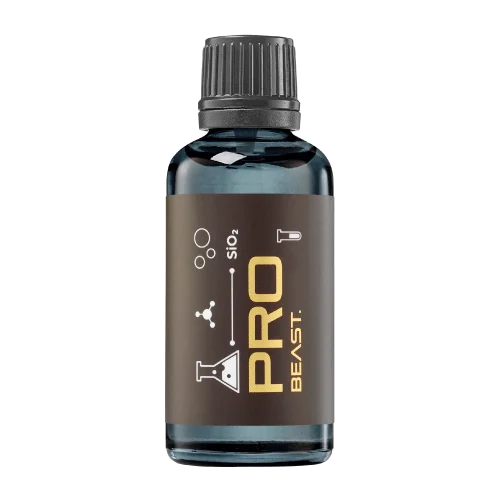
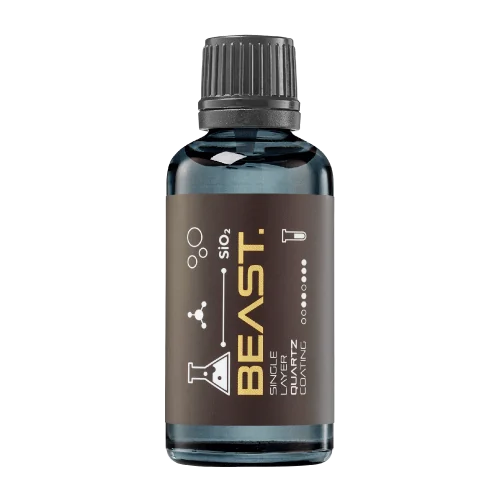
A full polishing range.
From cutting and one-step correction to final finishing.
Specialist chemistry. Expert application.
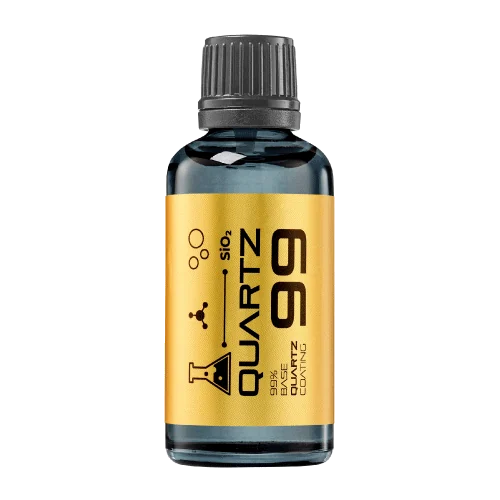 QUARTZ99 / CERAMIC BASE COAT
The foundation of your coating system.
A layerable quartz base coat designed for mechanical protection. Pair it with a suitable top coat to create the final finish.
For application by NANOLAB certified installers only.
Four formulas. Extended working time. Find the coating for your finish.
Explore the BEAST family of ceramic coatings.
Find the coating for each exterior surface.
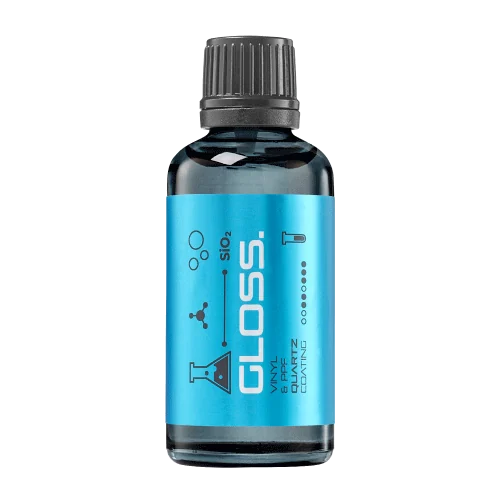 PPF & VINYLGLOSSProtection for glossy films and wraps.Discover
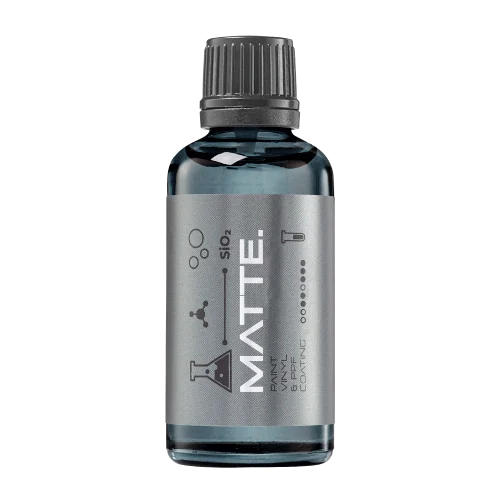 MATTE & SATINMATTEProtection that respects the finish.Discover
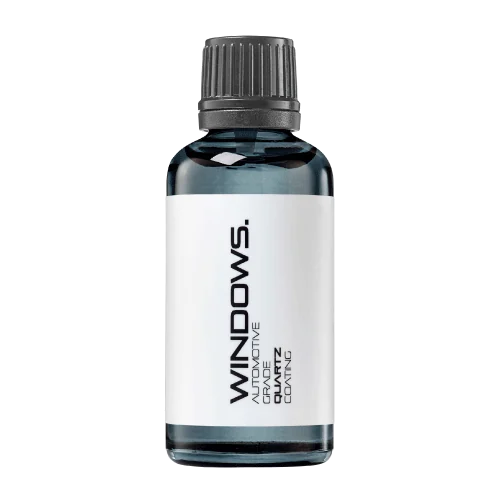 GLASSWINDOWSExplore dedicated glass protection.Discover
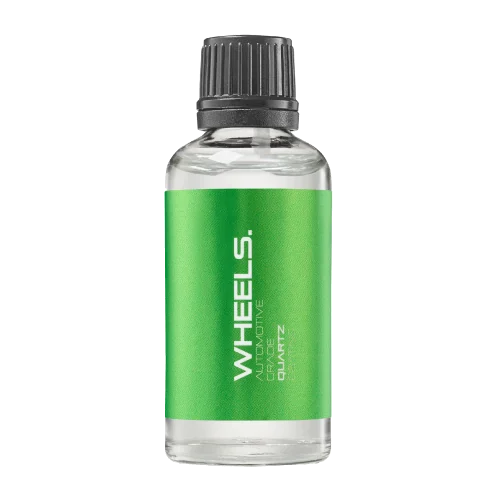 WHEEL PROTECTIONWHEELSA dedicated coating for your wheels.Discover
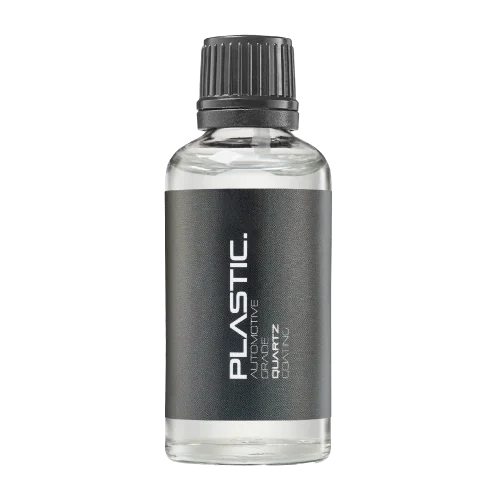 TRIM PROTECTIONPLASTICProtection for plastic surfaces.Discover
Dedicated care for the surfaces inside.
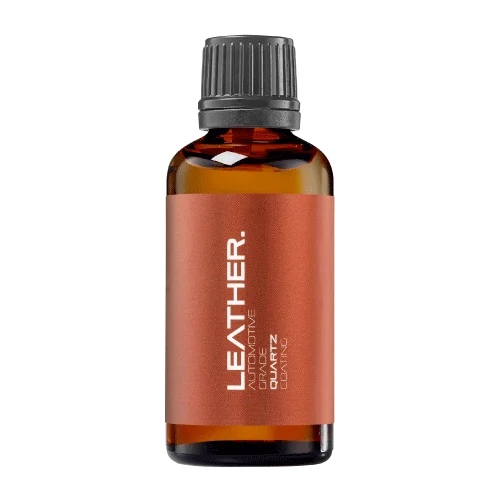 LEATHER SURFACESLEATHERDiscover NANOLAB leather protection.Discover PLASTIC SURFACESPLASTICProtection for interior plastic surfaces.Discover TEXTILE SURFACESFABRICExplore the latest fabric formulation.Discover
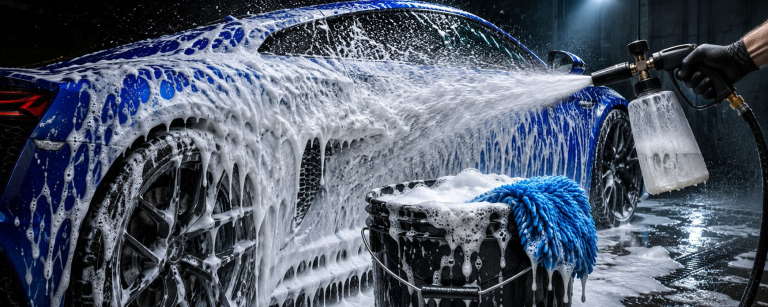 Preview all six shampoos →
Spray protection, maintenance and upcoming wash products.
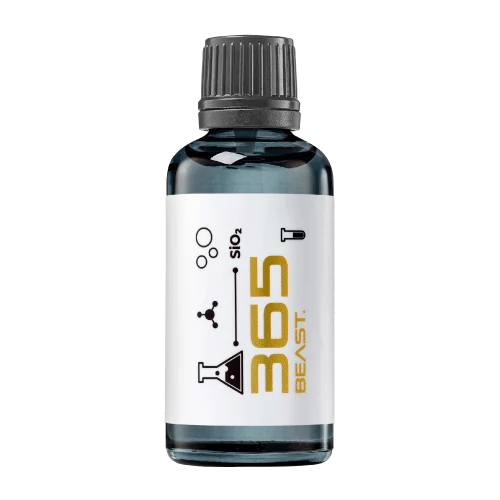 MAINTENANCEBEAST 365Explore the BEAST maintenance range.Discover
Next in washing, cleaning & care.
Ceramic protection for boats and yachts.
An easy-to-apply ceramic coating with an established track record on boats and yachts around the world.
Results vary with surface preparation, exposure and maintenance.
Read 50 MARINE guides →Explore MARINEProtection for the surfaces you live with.
A look at what we’re developing.
From cutting and one-step correction to final finishing.
A wider range for professional vehicle care.
Taking shape alongside BEAST & MATRIX.
Practical guidance for your next coating project.
Explore all guides →
Assess a coating process or formulation change using predefined equivalence margins, appropriate intervals and a clearly limited performance conclusion.
Updated · NANOLAB Knowledge
A statistically inconclusive difference does not demonstrate that two coating processes are equivalent. An equivalence study asks whether the difference in a defined outcome is sufficiently small to fall within limits chosen for practical reasons before examining the results.
Specify the comparison direction, units, measurement method and conditions. A permissible difference in removal time says nothing by itself about gloss, storage stability or surface compatibility. Each important requirement needs appropriate evidence.
Minitab distinguishes a conventional difference test from an equivalence test: the latter requires a user-defined acceptable range for the difference or ratio. A large p-value from a conventional test is not a substitute for that design.
Suppose a development team sets an illustrative equivalence margin of −2 to +2 units for a particular measured property. The units and margin below are teaching assumptions, not a NANOLAB specification. Assume each interval was obtained using the appropriate prespecified equivalence procedure.
| Interval for candidate minus reference | Interpretation |
|---|---|
| −0.8 to +1.1 | Entirely within the chosen margins: supports equivalence for this endpoint under the method |
| −2.7 to +0.6 | Extends beyond a margin: equivalence is not established |
| +2.4 to +3.5 | Outside the acceptable range: evidence of a practically unacceptable difference under this criterion |
The middle case is not proof of equivalence just because zero is included. It also should not be described as proof that the products differ by more than the permitted amount: the interval includes both acceptable and unacceptable possibilities.
Choose a procedure suitable for independent or paired observations, as applicable. Record its significance level and interval construction. Minitab offers different interval options for equivalence, so a report should not simply say “95% interval” without identifying the method used.
Keep margins fixed after observing the data. Widening them because a candidate narrowly missed the criterion changes the question. If a different business requirement is justified, document it as a new decision and plan supporting evidence explicitly.
For a coating change, equivalence on one laboratory property does not establish interchangeability in every customer application. The confidence-interval guide explains why the scope of the estimate matters.
Primary references: Minitab: Why use an equivalence test? and interval options.