


A full polishing range.
From cutting and one-step correction to final finishing.
Specialist chemistry. Expert application.
 QUARTZ99 / CERAMIC BASE COAT
The foundation of your coating system.
A layerable quartz base coat designed for mechanical protection. Pair it with a suitable top coat to create the final finish.
For application by NANOLAB certified installers only.
Four formulas. Extended working time. Find the coating for your finish.
Explore the BEAST family of ceramic coatings.
Find the coating for each exterior surface.
 PPF & VINYLGLOSSProtection for glossy films and wraps.Discover
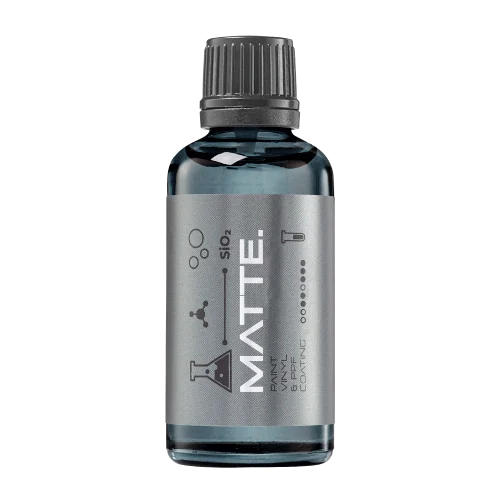 MATTE & SATINMATTEProtection that respects the finish.Discover
 GLASSWINDOWSExplore dedicated glass protection.Discover
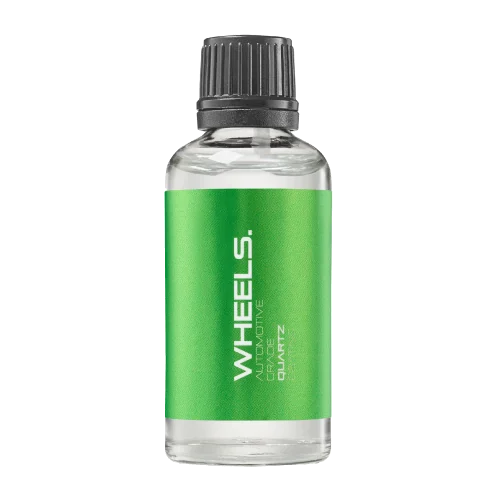 WHEEL PROTECTIONWHEELSA dedicated coating for your wheels.Discover
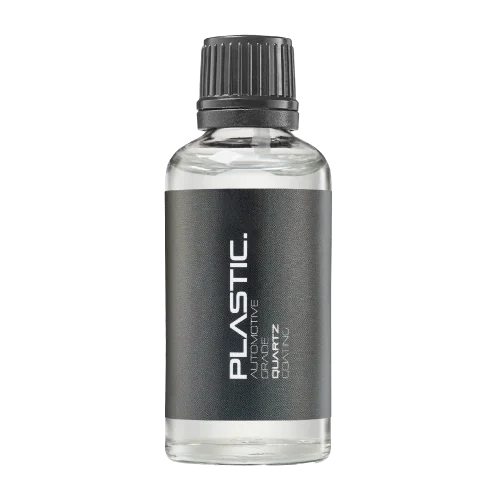 TRIM PROTECTIONPLASTICProtection for plastic surfaces.Discover
Dedicated care for the surfaces inside.
 LEATHER SURFACESLEATHERDiscover NANOLAB leather protection.Discover PLASTIC SURFACESPLASTICProtection for interior plastic surfaces.Discover TEXTILE SURFACESFABRICExplore the latest fabric formulation.Discover
 Preview all six shampoos →
Spray protection, maintenance and upcoming wash products.
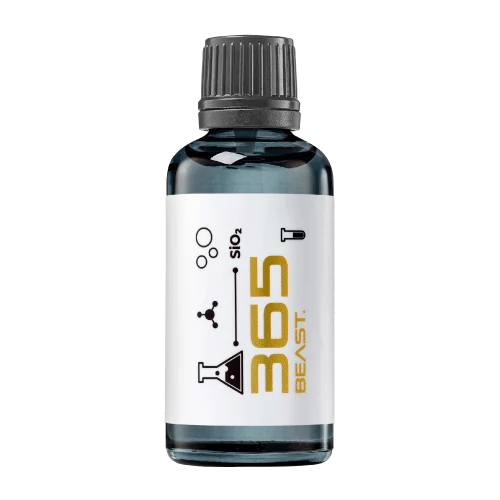 MAINTENANCEBEAST 365Explore the BEAST maintenance range.Discover
Next in washing, cleaning & care.
Ceramic protection for boats and yachts.
An easy-to-apply ceramic coating with an established track record on boats and yachts around the world.
Results vary with surface preparation, exposure and maintenance.
Read 50 MARINE guides →Explore MARINEProtection for the surfaces you live with.
A look at what we’re developing.
From cutting and one-step correction to final finishing.
A wider range for professional vehicle care.
Taking shape alongside BEAST & MATRIX.
Practical guidance for your next coating project.
Explore all guides →
Calculate a hypothetical temperature acceleration factor and identify the evidence needed before connecting accelerated storage to a shelf-life claim.
Updated · NANOLAB Knowledge
An Arrhenius model can describe temperature-dependent change when the relevant mechanism and model parameters are supported by data. It does not justify turning any hot-storage test into a fixed number of months at room temperature.
Define the change being followed: for example, reaching a specified chemical endpoint under a validated analytical method. A leaking closure, visible separation and chemical conversion are different observations. They should not share one acceleration factor simply because they appeared in the same cabinet.
NIST presents an Arrhenius time-to-failure model in which activation energy depends on the mechanism and materials. Its mathematical relationship is a modelling reference; it is not evidence that a particular car-care formulation follows that relationship.
Using a molar activation energy, write AF = exp[(Ea/R) × (1/Tlow − 1/Thigh)]. Temperatures are in kelvin, Ea in joules per mole and R approximately 8.314 J/(mol·K). AF describes the modelled faster rate at the higher temperature, or the corresponding ratio of times to the same endpoint under that model.
Assume, solely for illustration, Ea = 50,000 J/mol, Tlow = 298.15 K (25°C), and Thigh = 313.15 K (40°C). The calculated factor is approximately 2.63. With an assumed Ea of 80,000 J/mol, the factor becomes approximately 4.69. These values are not measured NANOLAB parameters.
| Assumed activation energy | Illustrative factor, 25°C to 40°C |
|---|---|
| 50 kJ/mol | 2.63 |
| 80 kJ/mol | 4.69 |
The same temperature pair produces substantially different factors. Selecting a convenient activation energy therefore selects the answer rather than validates a prediction.
Investigate unusual departures instead of deleting them to obtain a straight fitted trend. A phase change or a new package interaction may indicate that one model cannot represent the entire programme. Equipment and storage conditions must suit the product safety information.
Keep measured observations separate from fitted parameters and predicted times. State the applicable formula, package, temperature range and endpoint. Do not extend a sealed-pack estimate to opened containers or to a different formulation revision without assessment.
The stability programme guide covers the broader evidence needed. This calculation demonstrates parameter sensitivity; it establishes no commercial shelf life.
Primary reference: NIST: Arrhenius acceleration model.